






 Hot
- U.S. tariffs paid No duties on arrival
- Free shipping on larger orders
- Free returns No restocking fees
- Trusted seller 35,000+ eBay reviews
Just purchased in Military Vehicles
-
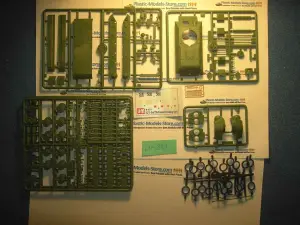
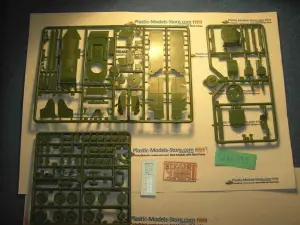
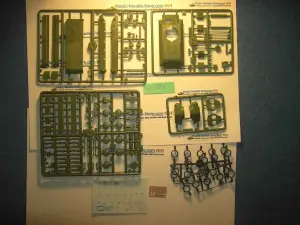
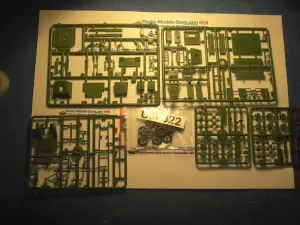
Master Box 72004 1/72 Mki Female British Tank Special Modification For Gazastrip
United States
7 hours ago
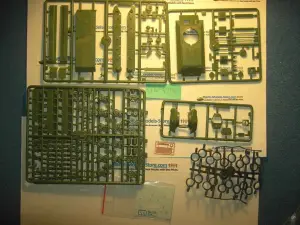
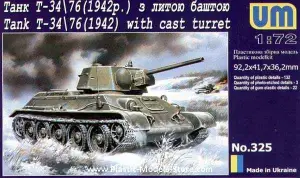
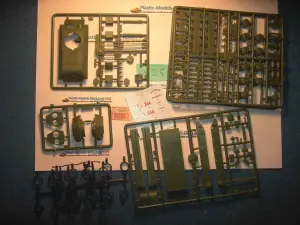
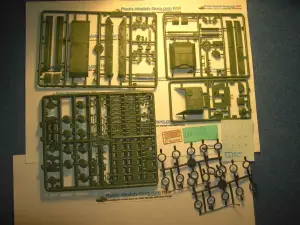
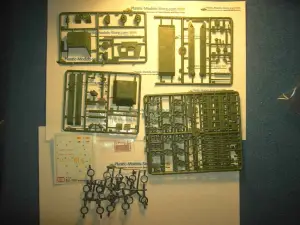
Pz Kpfw 38(t) Ausf. G German light tank WWII
$16.99
Get $0.84 back in rewards
Buy this item and you'll earn 84 points — that's $0.84 off your next order.
Points are added to your account after the purchase. 100 points = $1. Available for registered customers.
How rewards work →
Buy now
This item (0.18 lb) ships in a box up to 0.49 lb for $8.90. 0.31 lb left for more items at no extra shipping cost.
$150.00 to free shipping
- U.S. tariffs paid No duties on arrival
- Free shipping on larger orders
- Free returns No restocking fees
- Trusted seller 35,000+ eBay reviews
Just purchased in Military Vehicles
-
Master Box 72004 1/72 Mki Female British Tank Special Modification For Gazastrip
United States
7 hours ago
- Brand
- UniModel (UM)
- Item number
- UM341
- Scale
- 1/72
- Category
- Military Vehicles / Kits
- Type
- Tank
- Material
- Plastic
- Prototype
- Pz.Kpfw. 38(t)
- Weight
- 0.18 lb
- Date added
- 04 Mar 2014
United States · Airmail with tracking · delivery ~14 days. Change the country in the shipping box above.
| Box weight (products) | Price |
|---|---|
| 0.00 lb – 0.49 lb | $8.90 |
| 0.49 lb – 0.97 lb | $12.99 |
| 0.97 lb – 1.94 lb | $19.99 |
| 1.94 lb – 220.46 lb | $22.99 |
| Order over $150.00 | FREE |
This product weighs 0.18 lb.
There are no reviews for this product yet.
Finish your build 24
Paints and supplies
Hot
 −25%
3h 54m
 Hot
 Hot
 Hot

Dan Models
1/35
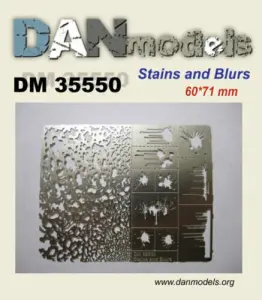
DM 35554 - Stencil. Cracks, craquelure. Size 60 75.1 mm, Accessories Scale kit
DAN35554
$10.99


Dan Models
1/35
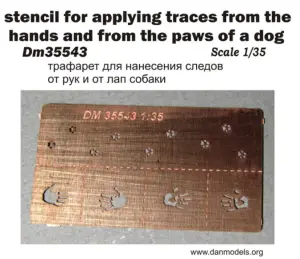
Stencil for Applying Traces from the Hands and from the Paws OF A Dog
DAN35543
$5.99
 Hot
 Hot
 Hot
 Hot

 Hot
 Hot
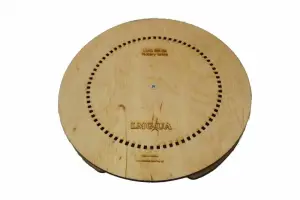
LMG
No scale
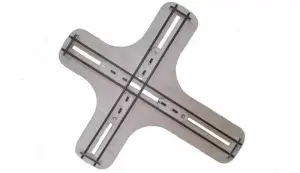
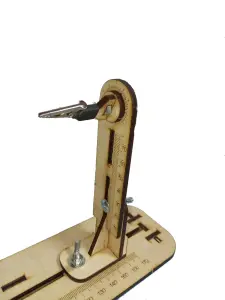
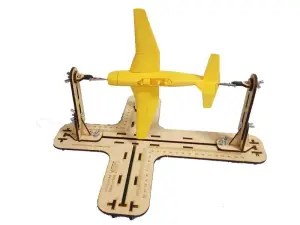
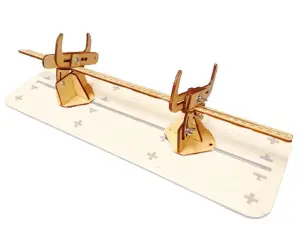
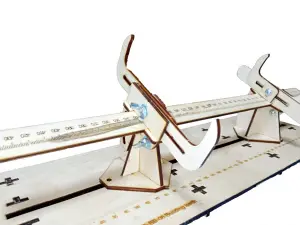
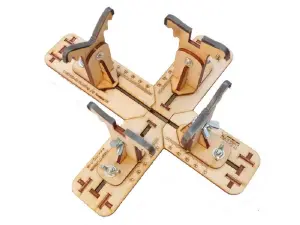
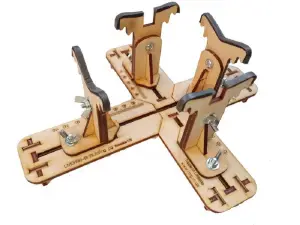
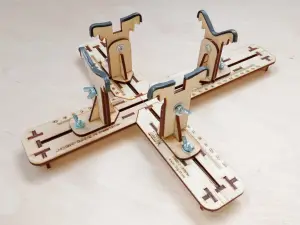
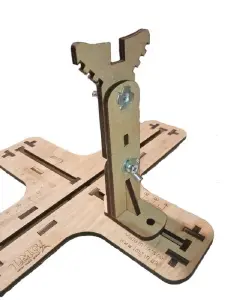
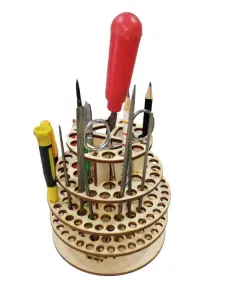
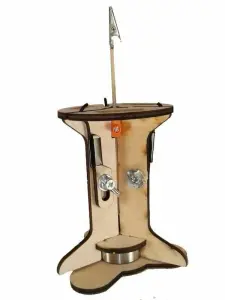
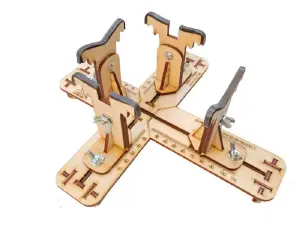
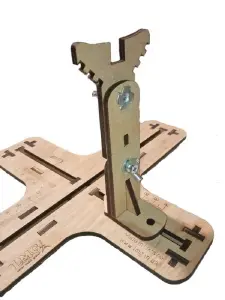
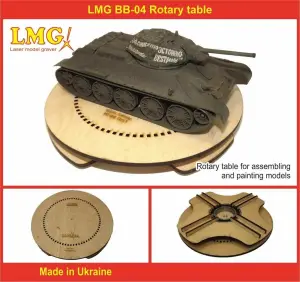
Rotary table for plastic model kits Laser Model Graving building berth
LMG-BB-04
$12.99
 Hot
People also bought 12
 Hot
 Hot





 Hot
 Hot


Similar products 24









 Hot

 Hot








Recently viewed 9




 Hot
 Discontinued
 New

$16.99