
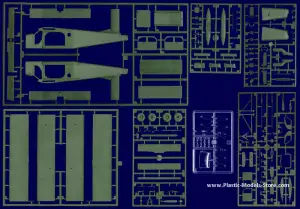
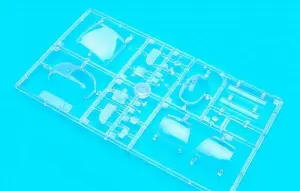
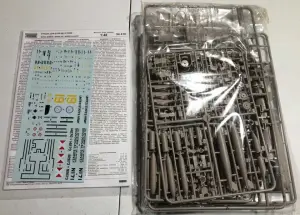
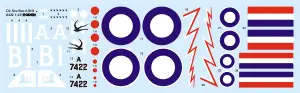
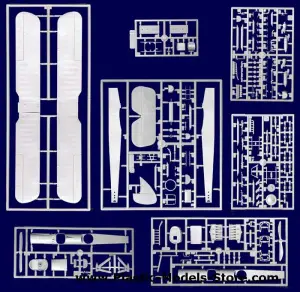
Mostly used as a government and VIP transport during the 1930's and '40's, this unusual, very beautiful biplane has been captured in it's model form by Roden back in 2011. The instruction manual is quite clear and provides a lot of background information! Fitting is quite good and the matte plastic is pleasant to work with. The interior is sparsely detailed, but once the plane is closed up, not much of it is left to see. Detailing in other parts of the kit is quite good. There are, however, two major drawbacks to this kit: 1: The transparent parts fit very poorly. Lots of sanding is required. 2: Except for the pre-war version (also the most colourful one in this kit), the decals of the US roundels are misaligned. If possible, use spare decals or look for aftermarket sets with more colourful options. However, this shouldn't stop you from getting this fine kit.
- U.S. tariffs paid No duties on arrival
- Free shipping on larger orders
- Free returns No restocking fees
- Trusted seller 35,000+ eBay reviews
Just purchased in Aircraft
Beechcraft UC-43 Staggerwing
Get $1.48 back in rewards
Buy this item and you'll earn 148 points — that's $1.48 off your next order.
Points are added to your account after the purchase. 100 points = $1. Available for registered customers.
How rewards work →0.37 lb free in this 0.97 lb box — add more items, shipping stays $12.99.
- U.S. tariffs paid No duties on arrival
- Free shipping on larger orders
- Free returns No restocking fees
- Trusted seller 35,000+ eBay reviews
Just purchased in Aircraft
- Brand
- Roden
- Item number
- RN442
- Scale
- 1/48
- Category
- Aircraft / Kits
- Type
- Cargo / Transport
- Material
- Plastic
- Prototype
- Beech D17 Staggerwing
- Weight
- 0.60 lb
- Date added
- 24 Mar 2014
United States · Airmail with tracking · delivery ~14 days. Change the country in the shipping box above.
| Box weight (products) | Price |
|---|---|
| 0.00 lb – 0.49 lb | $8.90 |
| 0.49 lb – 0.97 lb | $12.99 |
| 0.97 lb – 1.94 lb | $19.99 |
| 1.94 lb – 220.46 lb | $22.99 |
| Order over $150.00 | FREE |
This product weighs 0.60 lb.
Finish your build 24
Paints and supplies
 −15%
4d 8h
Hot
 −15%
4d 8h
 −10%
4d 8h
Hot
 −10%
4d 8h
Hot
 −10%
4d 8h
Hot
 −15%
4d 8h
Hot

 −10%
4d 8h
Hot
 −10%
4d 8h
 −15%
4d 8h
 −15%
4d 8h
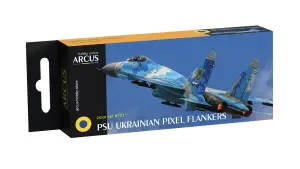
ARC-7011
$9.34 $10.99
 −10%
4d 8h
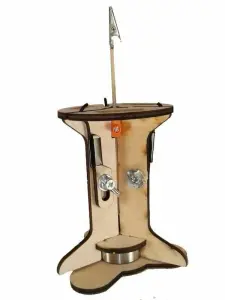
LMG-BB-12
$8.09 $8.99
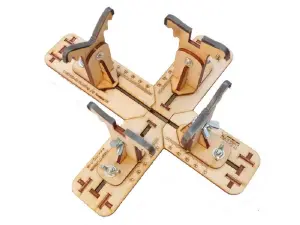 −10%
4d 8h
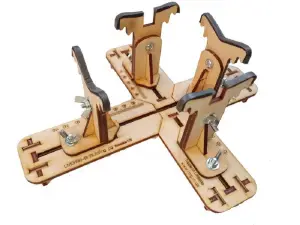
 −15%
4d 8h
Hot
 −10%
4d 8h
Hot
LMG-BB-38
$4.49 $4.99
 −15%
4d 8h
Hot
ARC-A7010
$9.34 $10.99
 −10%
4d 8h
LMG-WOH-1211
$21.59 $23.99
 −15%
4d 8h
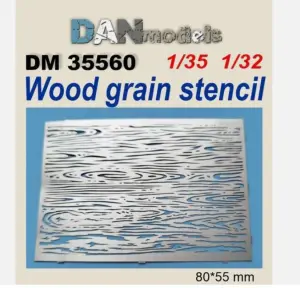
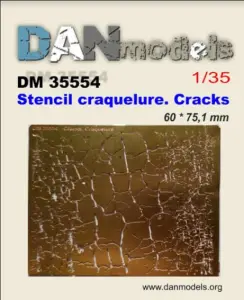
DAN35554
$9.34 $10.99
 −15%
4d 8h
 −15%
4d 8h
Hot
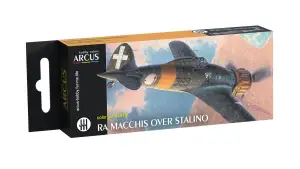
ARC-4010
$9.34 $10.99
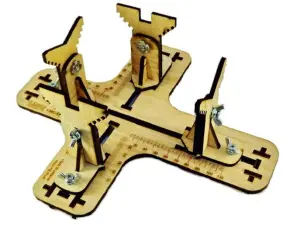 −10%
4d 8h
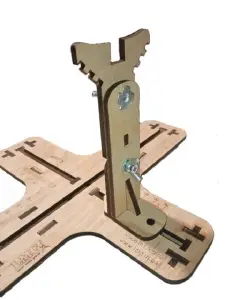

 −15%
4d 8h
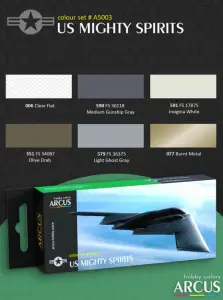
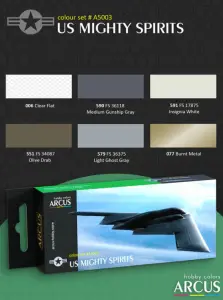
ARC-A5003
$9.34 $10.99
 −15%
4d 8h
ARC-A078
$2.54 $2.99
 −10%
4d 8h
Hot
LMG-BB-02
$8.09 $8.99
People also bought 12
 −10%
4d 8h
Hot
 −10%
4d 8h
Hot
 −10%
4d 8h
Hot
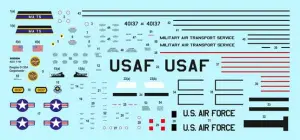
RN333 Only 1 left
$27.89 $30.99
 −13%
4d 8h
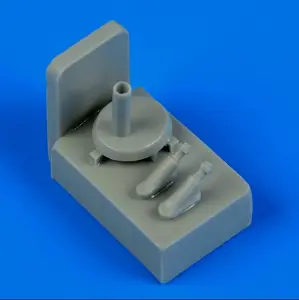
QB48572 Only 1 left
$5.21 $5.99
 −13%
4d 8h
 −13%
4d 8h
 −13%
4d 8h
 −15%
4d 8h
 −15%
4d 8h
Hot

 −15%
4d 8h
Hot
 −10%
4d 8h
Hot
 −15%
4d 8h
Hot
Similar products 24
 −10%
4d 8h
 −10%
4d 8h
 −10%
4d 8h
 −10%
4d 8h

 −10%
4d 8h
 −10%
4d 8h
 −10%
4d 8h
 −10%
4d 8h
 −10%
4d 8h
RN437 Only 1 left
$26.09 $28.99
 −10%
4d 8h

 −10%
4d 8h
 −10%
4d 8h
 −10%
4d 8h
 −10%
4d 8h
 −10%
4d 8h
RN412 Only 2 left
$21.59 $23.99
 −10%
4d 8h
RN422 Only 1 left
$21.59 $23.99
 −10%
4d 8h
 −10%
4d 8h
 −10%
4d 8h
Hot
 −10%
4d 8h
 −10%
4d 8h
 −10%
4d 8h

 −10%
4d 8h
RN408 Only 1 left
$17.99 $19.99
 −10%
4d 8h