

 Black Friday−20%
4d 11h
Hot
Black Friday−20%
Hover to zoom · Click to enlarge
- U.S. tariffs paid No duties on arrival
- Free shipping on larger orders
- Free returns No restocking fees
- Trusted seller 35,000+ eBay reviews
Just purchased in Ships
-
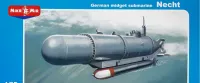
GERMAN MIDGET SUBMARINE NECHT 1/35 MICRO MIR 35-017
United States
9 hours ago
Oerlikon 20mm/70 AA gun mark IIIA (Britain) WWII
$5.59
$6.99
Black Friday−20%
Black Friday price ends in
00d 00:00:00
Get $0.27 back in rewards
Buy this item and you'll earn 27 points — that's $0.27 off your next order.
Points are added to your account after the purchase. 100 points = $1. Available for registered customers.
How rewards work →
or buy now
0.42 lb free in this 0.49 lb box — add more items, shipping stays $8.90.
$150.00 to free shipping
- U.S. tariffs paid No duties on arrival
- Free shipping on larger orders
- Free returns No restocking fees
- Trusted seller 35,000+ eBay reviews
Just purchased in Ships
-
GERMAN MIDGET SUBMARINE NECHT 1/35 MICRO MIR 35-017
United States
9 hours ago
- Brand
- UMmt
- Item number
- UMT651/002
- Scale
- 1/72
- Category
- Ships / Accessories
- Type
- Weapons & ammo
- Material
- Plastic
- Prototype
- Oerlikon 20 mm
- Weight
- 0.06 lb
- Date added
- 03 Mar 2014
United States · Airmail with tracking · delivery ~14 days. Change the country in the shipping box above.
| Box weight (products) | Price |
|---|---|
| 0.00 lb – 0.49 lb | $8.90 |
| 0.49 lb – 0.97 lb | $12.99 |
| 0.97 lb – 1.94 lb | $19.99 |
| 1.94 lb – 220.46 lb | $22.99 |
| Order over $150.00 | FREE |
This product weighs 0.06 lb.
There are no reviews for this product yet.
Goes well with 24
Paints and supplies
Black Friday−20%
4d 11h
Hot
 Black Friday−15%
4d 11h
LMG
No scale
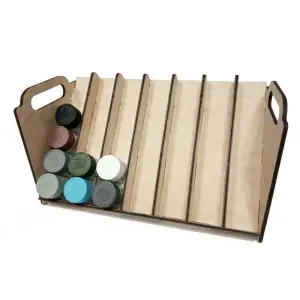
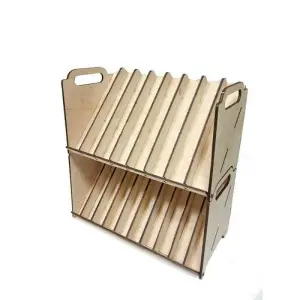
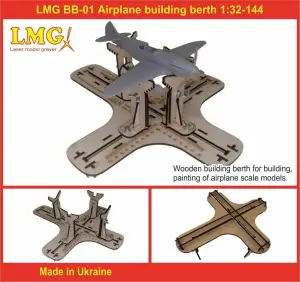
Paint stand for 42 tanks with diameter 35 mm, Laser Model Graving
LMG-WO-1229
$18.69 $21.99
 Black Friday−15%
4d 11h
Hot
 Black Friday−20%
4d 11h
Hot
Arcus Colors
No scale
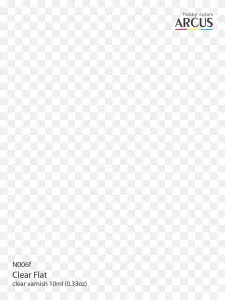
Arcus 006 Enamel paint Transparent gloss varnish. Clear Flat 10ml
ARC-006
$1.59 $1.99
 Black Friday−20%
4d 11h
Hot
 Black Friday−15%
4d 11h
Hot
 Black Friday−20%
4d 11h
Hot

Arcus Colors
No scale
Arcus 512 Enamel paint USAF Green Zinc Chromate Saturated color 10ml
ARC-512
$1.59 $1.99
 Black Friday−20%
4d 11h
Hot
 Black Friday−15%
4d 11h
Hot
LMG
No scale
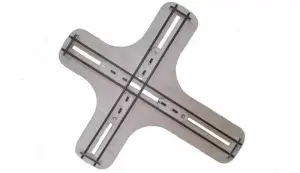
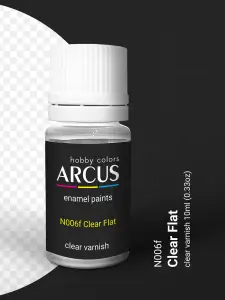
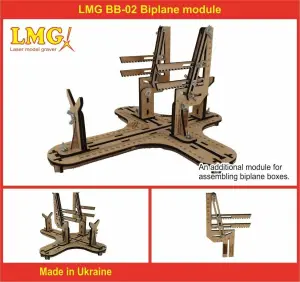
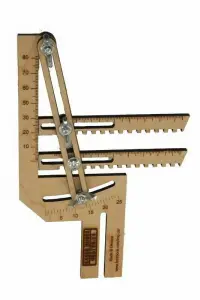
Biplane module (To the building berth LMG BB-01), Laser Model Graving
LMG-BB-02
$7.64 $8.99
 Black Friday−15%
4d 11h
Hot
LMG
No scale
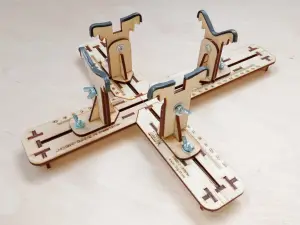
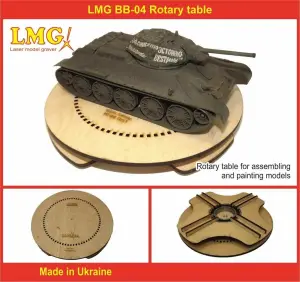
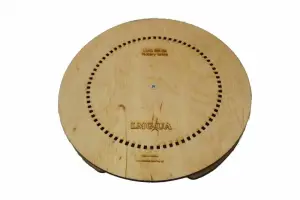
Rotary table for plastic model kits Laser Model Graving building berth
LMG-BB-04
$11.04 $12.99
 Black Friday−20%
4d 11h
Hot
 Black Friday−20%
4d 11h
Hot
 Black Friday−20%
4d 11h
Hot
 Black Friday−20%
4d 11h
 Black Friday−20%
4d 11h
Hot
Arcus Colors
No scale
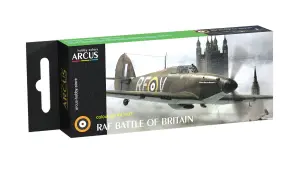
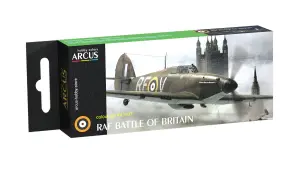
Arcus A3007 Acrylic paints set RAF Battle of Britain 6 colors in set 10ml
ARC-A3007
$8.79 $10.99
 Black Friday−20%
4d 11h
Hot
Arcus Colors
No scale
Arcus 005 Enamel paint Transparent gloss varnish. Gloss Clear 10ml
ARC-005
$1.59 $1.99
 Black Friday−20%
4d 11h
Hot
 Black Friday−20%
4d 11h
Hot
 Black Friday−20%
4d 11h
Hot
 Black Friday−20%
4d 11h
Hot
Arcus Colors
No scale
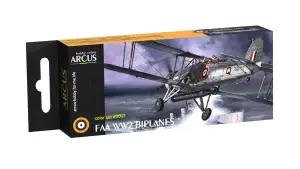
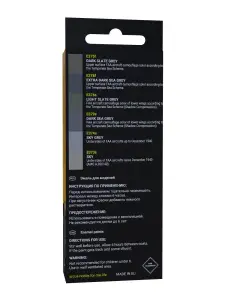
Arcus 3003 Enamel paints set FAA WW2 Biplanes 6 colors in set 10ml
ARC-3003
$8.79 $10.99
 Black Friday−20%
4d 11h
Hot
Arcus Colors
No scale
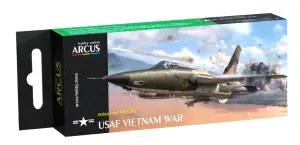
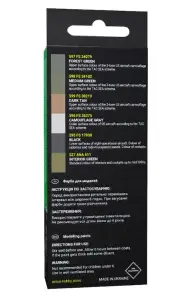
Arcus A5005 Acrylic Paints Set Usaf Vietnam War 6 Colors In Set 10ml
ARC-A5005
$8.79 $10.99
 Black Friday−20%
4d 11h
Hot
Arcus Colors
No scale
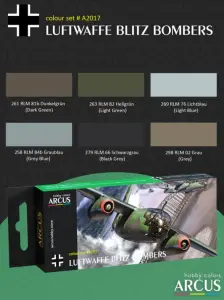
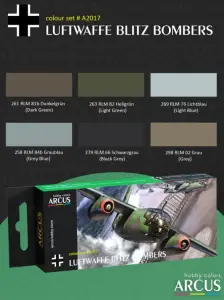
Arcus A2017 Acrylic Paints Set Luftwaffe Blitz Bombers 6 Colors In Set 10ml
ARC-A2017
$8.79 $10.99
 Black Friday−20%
4d 11h
Hot
Arcus Colors
No scale
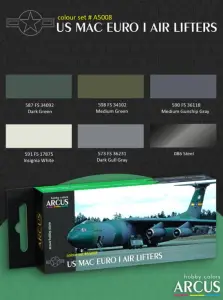
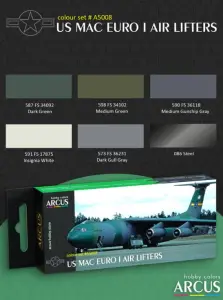
Arcus A5008 Acrylic Paints Set Us Mac Euro I Air Lifters 6 Colors In Set 10ml
ARC-A5008
$8.79 $10.99
 Black Friday−15%
4d 11h
LMG
No scale
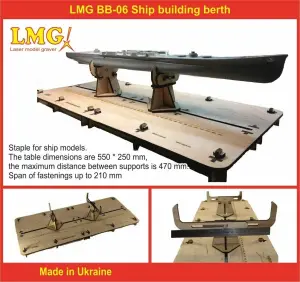
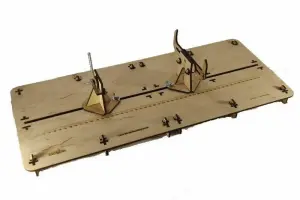
Ship building berth for plastic model kits, Laser Model Graving
LMG-BB-06
$31.44 $36.99
People also bought 12
 Black Friday−20%
4d 11h
 Black Friday−20%
4d 11h
 Black Friday−20%
4d 11h
 Black Friday−20%
4d 11h
 Black Friday−20%
4d 11h
Hot
 Black Friday−20%
4d 11h
Hot
 Black Friday−20%
4d 11h
Hot
 Black Friday−20%
4d 11h
Hot
 Black Friday−20%
4d 11h
Hot
 Black Friday−20%
4d 11h
 Black Friday−20%
4d 11h
 Black Friday−20%
4d 11h
Similar products 6
 Black Friday−20%
4d 11h
 Black Friday−20%
4d 11h
 Black Friday−20%
4d 11h
 Black Friday−20%
4d 11h
 Black Friday−20%
4d 11h
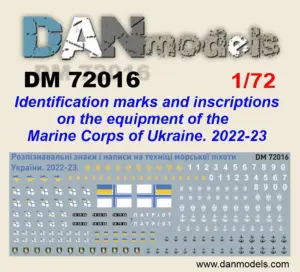
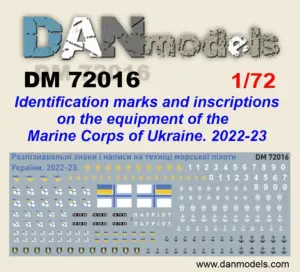
Dan Models
1/72
Identification Marks And Inscriptions On The Equipment Of The Marine Corps Of Ukraine. 2022-23
DAN72016
$7.19 $8.99
 Black Friday−18%
4d 11h
Recently viewed 16
 Black Friday−20%
4d 11h
 Black Friday−18%
4d 11h
SBS Model
1/72
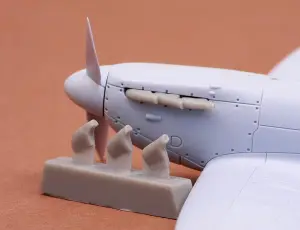
Spitfire Mk I/Ii Exhaust Round For Airfix Kit Resin Model Kit
SBS-72009 Only 2 left
$3.27 $3.99
 Black Friday−18%
4d 11h
 Black Friday−18%
4d 11h
Eduard
1/350
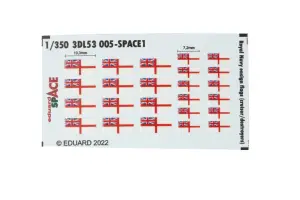
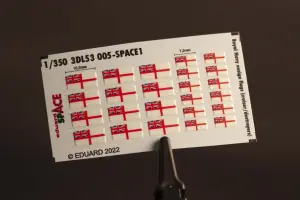
Royal Navy ensign flags (cruiser/destroyers) SPACE 0 3D Decal for Ships Space
ED-3DL53005
$9.01 $10.99
Notify Me Black Friday−18%
4d 11h
 Black Friday−18%
4d 11h
Discontinued
 Black Friday−20%
4d 11h
 Black Friday−20%
4d 11h
 Black Friday−18%
4d 11h
Quickboost
1/72
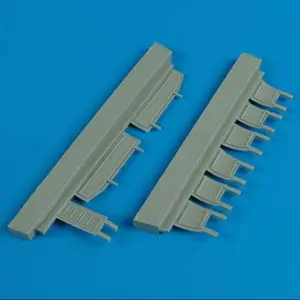
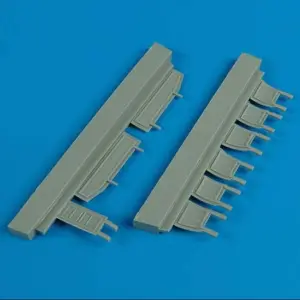
Ta 154a-1/R1 Undercarriage Covers For Hasegawa Accessories
QB72305 Only 1 left
$6.55 $7.99
 Black Friday−18%
4d 11h
SBS Model
1/35
Headsets And Throat Mikes For German Afvs Resin Kit
SBS-3D037 Only 2 left
$11.47 $13.99
 Black Friday−18%
4d 11h
SBS Model
1/35
Mk Iv Periscopes For British Tanks Late A Late B 3d Printed Resin Model Kit
SBS-3D014 Only 1 left
$9.83 $11.99
 Black Friday−18%
4d 11h
 Black Friday−18%
4d 11h
ModelMaker
1/48
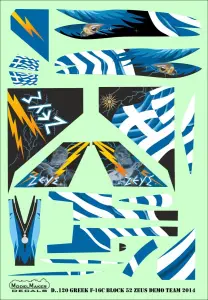
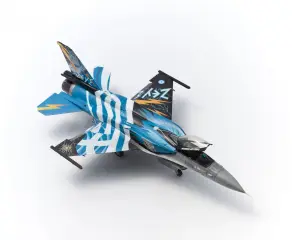
Greek F-16C block 52 ZEUS decal+resin CFT +paraschute
MMKR-D48120
$64.77 $78.99
Notify Me Black Friday−20%
4d 11h
 Black Friday−18%
4d 11h
ModelMaker
1/48
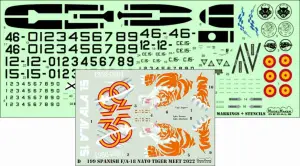
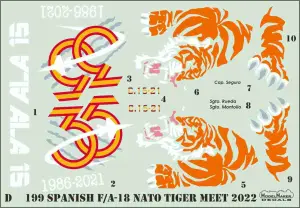
Spanish F/A-18 NATO Tiger Meet 2022 Aircraft Decal
MMKR-D48199 Only 1 left
$24.59 $29.99
 Black Friday−18%
4d 11h
Hot
$5.59
$6.99