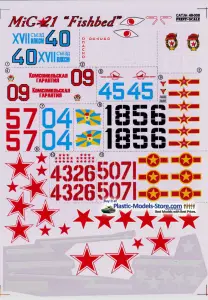
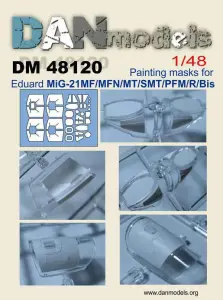
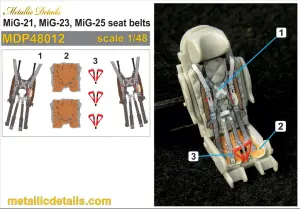
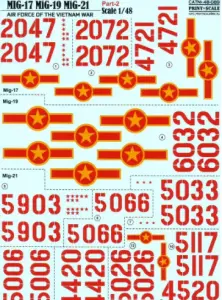
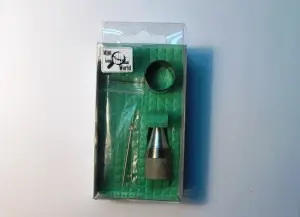
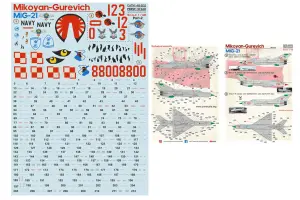
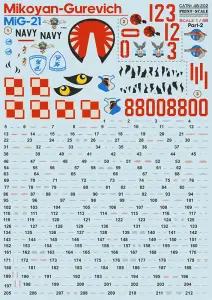
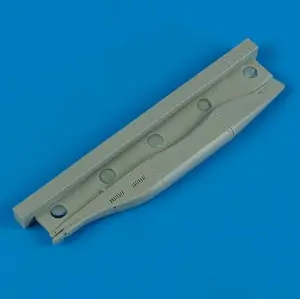
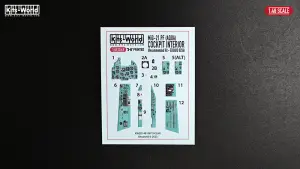
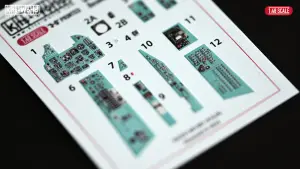
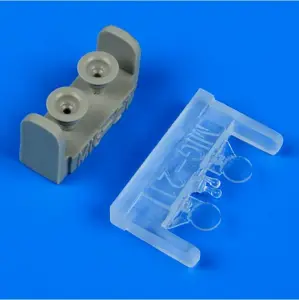
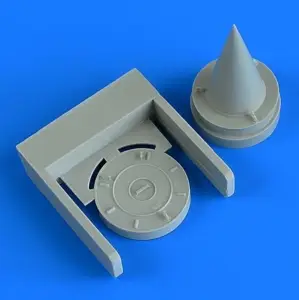
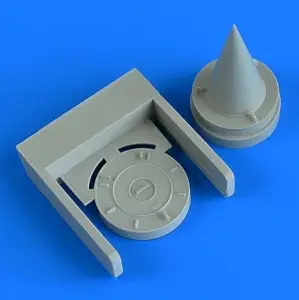
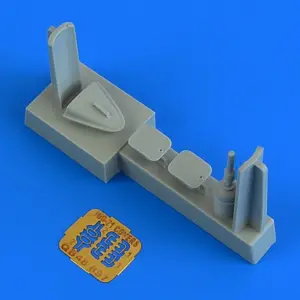
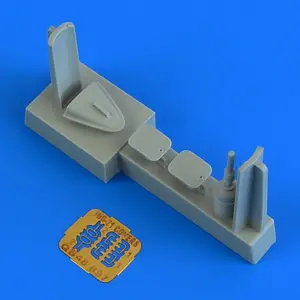
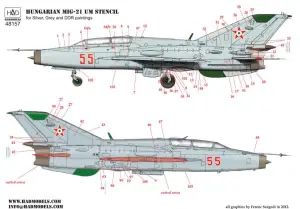
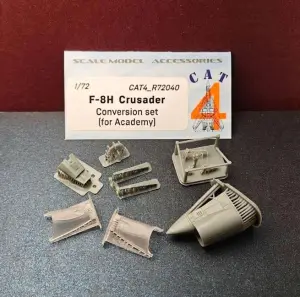
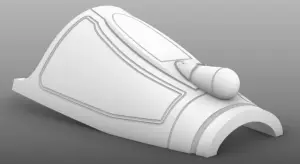
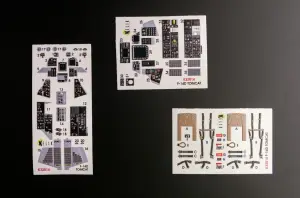
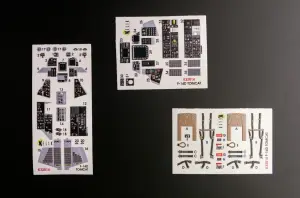
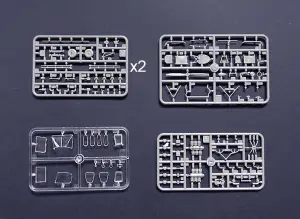
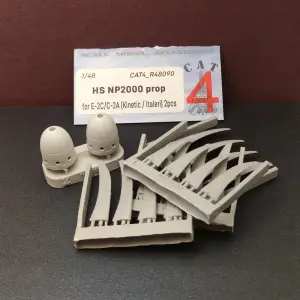
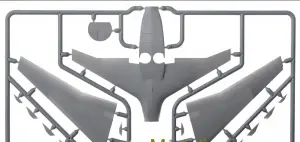
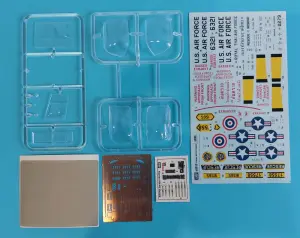
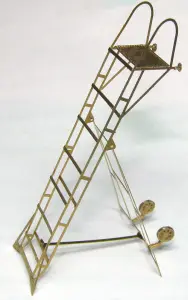
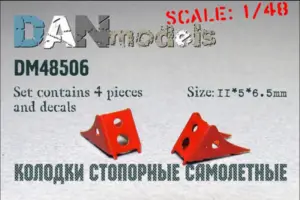
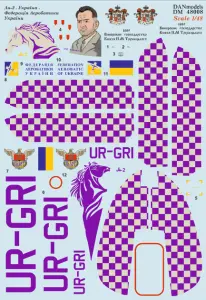
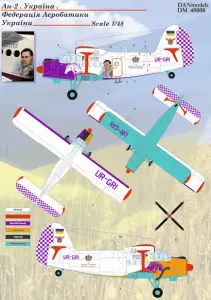
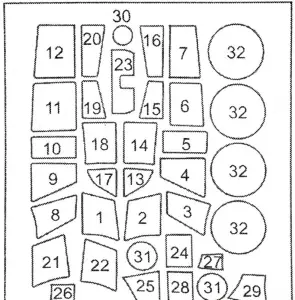
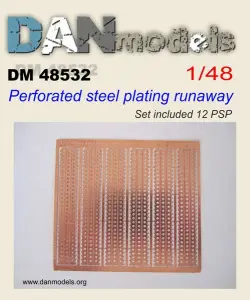
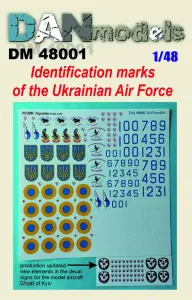
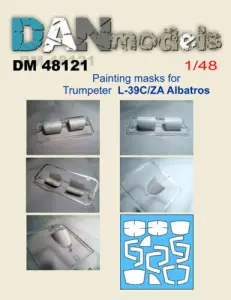
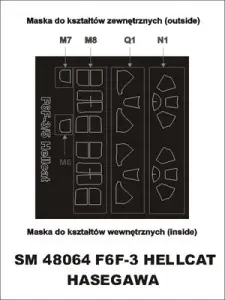
MiG-21: exhaust & intake covers and decals
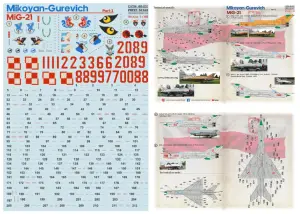
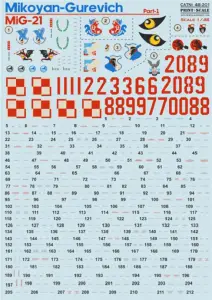
1/48 Decals
Dan Models 48525
A decal, also known as a transfer, is an image printed on a paper backing that is applied indirectly to a surface through a self-adhesive layer. In printing circles it is generally referred to as dekol. The French engraver Francois Simon, also known as Simon Francois Ravenet, is credited with inventing it. The earliest method involved applying heated copper-engraving ink and pressing it onto thick, porous (tissue) paper; the resulting print was laid face-down on a varnished item, the ink adhered to the surface, and the paper was then peeled away after being soaked.
In 1750 Ravenna moved to England, where he presented his invention, which he called the decalcuer, to British manufacturers. The first ceramic items decorated with decals (ornamental tiles) were produced in 1756 by Sadlier & Green in Liverpool. Today, what are commonly called decals are paper-backed transfers printed with an adhesive layer and water-activated design. Those applied with the adhesive side outward and the image facing the paper are known as inverse. Direct decals are more common because the image is visible before application, allowing the modeller to position it without cutting along the outline. The older varnish-free technology still has its advantages, however. When applied to a surface, such a decal leaves only a thin lacquer film without a backing, which keeps it thin and usually avoids extending past the picture outline. Varnish-free decals also keep very well, while their lacquer layer gradually deteriorates through yellowing, becoming brittle or cracking (forming crackles). In some cases a decal can be "repaired" by exposing it to ultraviolet light and applying a fresh coat of varnish over the damaged area.
When applying a direct wet decal to a surface with uneven contours, modellers, mainly in scale modelling, often use various liquid softeners and sometimes even coat the substrate with lacquer to improve adhesion. Once applied, decals are frequently sealed under a protective layer of varnish.
In industrial production, "hot" decals are widely used, where the surface is heated after application. Under high temperatures the lacquer backing burns away, and the image, made from special mineral paints, fuses into the surface. Industry uses decals to decorate and mark a wide range of products. In everyday life they are mainly used for interior decoration (they were especially popular in the USSR during the 1980s). In scale modelling today, separate decals are most often used to reproduce markings on prototype vehicles and even some elements of uniforms on figures. The great majority of models sold now include decals made by industrial methods, though some individual modellers also make their own, printing the image on a printer or painting it by hand onto special decal paper. Decals are also used to decorate the human body, applied to nails or skin as temporary tattoos.
United States · Airmail with tracking · delivery ~14 days.
Change the country in the shipping box above.
| Box weight (products) | Price |
|---|
| 0.00 lb – 0.49 lb | $8.90 |
| 0.49 lb – 0.97 lb | $12.99 |
| 0.97 lb – 1.94 lb | $19.99 |
| 1.94 lb – 220.46 lb | $22.99 |
| Order over $150.00 | FREE |
This product weighs 0.01 lb.
There are no reviews for this product yet.





 Black Friday−20%
5d 1h
Hot