




 Black Friday−20%
5d 1h
Hot
Black Friday−20%
Hover to zoom · Click to enlarge
- U.S. tariffs paid No duties on arrival
- Free shipping on larger orders
- Free returns No restocking fees
- Trusted seller 35,000+ eBay reviews
Just purchased in Aircraft
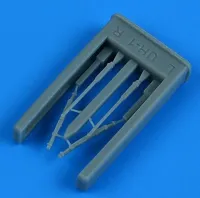
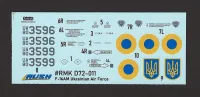
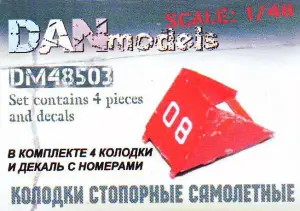
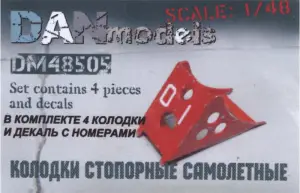
Aircraft chocks 2, 4 pcs + decal
$5.59
$6.99
Black Friday−20%
Black Friday price ends in
00d 00:00:00
Get $0.27 back in rewards
Buy this item and you'll earn 27 points — that's $0.27 off your next order.
Points are added to your account after the purchase. 100 points = $1. Available for registered customers.
How rewards work →
or buy now
0.47 lb free in this 0.49 lb box — add more items, shipping stays $8.90.
$150.00 to free shipping
- U.S. tariffs paid No duties on arrival
- Free shipping on larger orders
- Free returns No restocking fees
- Trusted seller 35,000+ eBay reviews
Just purchased in Aircraft
- Brand
- Dan Models
- Item number
- DAN48504
- Scale
- 1/48
- Category
- Aircraft / Accessories
- Type
- Decals
- Material
- Decal
- Weight
- 0.01 lb
- Date added
- 31 Mar 2014
United States · Airmail with tracking · delivery ~14 days. Change the country in the shipping box above.
| Box weight (products) | Price |
|---|---|
| 0.00 lb – 0.49 lb | $8.90 |
| 0.49 lb – 0.97 lb | $12.99 |
| 0.97 lb – 1.94 lb | $19.99 |
| 1.94 lb – 220.46 lb | $22.99 |
| Order over $150.00 | FREE |
This product weighs 0.01 lb.
There are no reviews for this product yet.
Goes well with 24
Paints and supplies
Black Friday−20%
5d 1h
Hot
 Black Friday−20%
5d 1h
 Black Friday−15%
5d 1h
Hot
 Black Friday−15%
5d 1h
Hot
 Black Friday−15%
5d 1h
Hot
 Black Friday−20%
5d 1h
Hot
 Black Friday−15%
5d 1h
 Black Friday−15%
5d 1h
Hot
 Black Friday−20%
5d 1h
Hot
 Black Friday−20%
5d 1h
Hot
 Black Friday−20%
5d 1h

Arcus Colors
No scale
Arcus 7011 Enamel paints set PSU Ukrainian Flankers 6 colors in set 10ml
ARC-7011
$8.79 $10.99
 Black Friday−15%
5d 1h
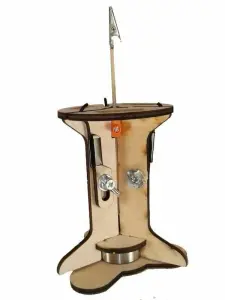
LMG
No scale
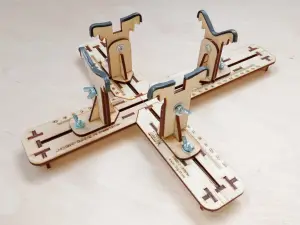
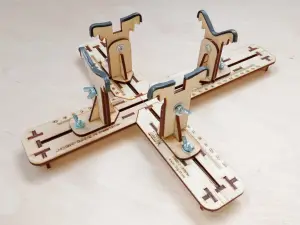
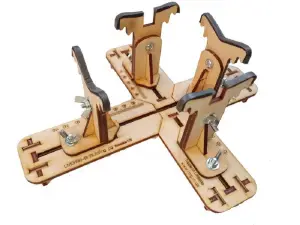
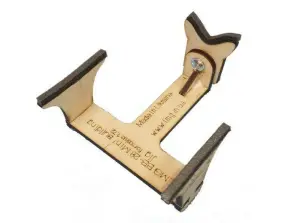
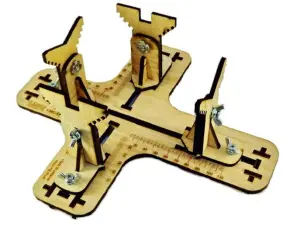
Stand for working with figures plastic model kit, Laser Model Graving
LMG-BB-12
$7.64 $8.99
 Black Friday−15%
5d 1h
 Black Friday−15%
5d 1h
LMG
No scale
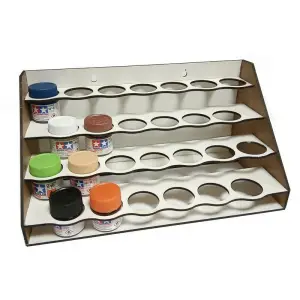
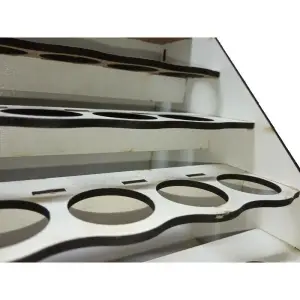
Paint stand for 26 tanks with, diameter 35 mm, Laser Model Graving
LMG-WOH-1211
$20.39 $23.99
 Black Friday−20%
5d 1h
Hot
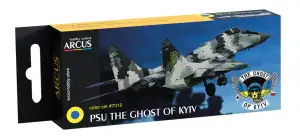
Arcus Colors
No scale
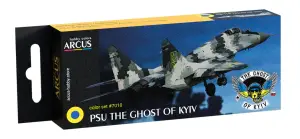
Arcus A7010 Acrylic Paints Set Psu The Ghost Of Kyiv 6 Colors In Set 10ml
ARC-A7010
$8.79 $10.99
 Black Friday−15%
5d 1h
Hot

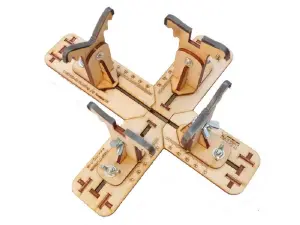
LMG
No scale
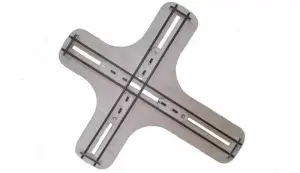
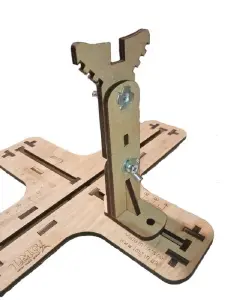
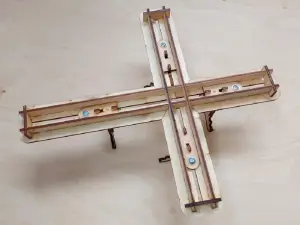
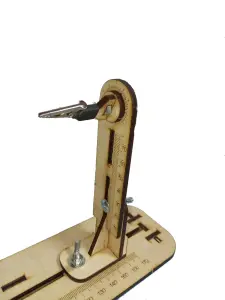
Clamp for model (universal), Laser Model Graving, BASE NOT INCLUDED
LMG-BB-38
$4.24 $4.99
 Black Friday−20%
5d 1h
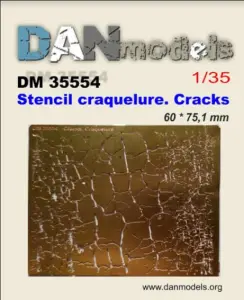
Dan Models
1/35
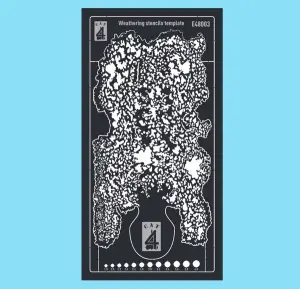
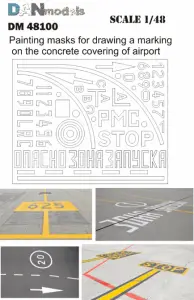
DM 35554 - Stencil. Cracks, craquelure. Size 60 75.1 mm, Accessories Scale kit
DAN35554
$8.79 $10.99
 Black Friday−15%
5d 1h
 Black Friday−20%
5d 1h
 Black Friday−20%
5d 1h
Hot
Arcus Colors
No scale
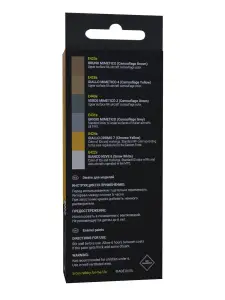
Arcus 4010 Enamel paints set RA Macchis over Stalino 6 colors in set 10ml
ARC-4010
$8.79 $10.99
 Black Friday−15%
5d 1h

 Black Friday−30%
5d 1h
 Black Friday−20%
5d 1h
Arcus Colors
No scale
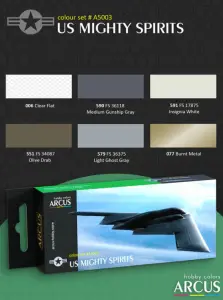
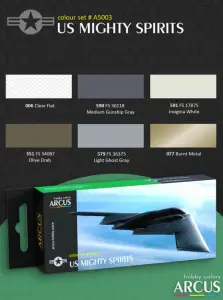
Arcus A5003 Acrylic Paints Set Us Mighty Spirits 6 Colors In Set 10ml
ARC-A5003
$8.79 $10.99
 Black Friday−20%
5d 1h

Arcus Colors
No scale
Arcus A078 Acrylic Paint Exhaust Manifold Saturated Color
ARC-A078
$2.39 $2.99
People also bought 12
 Black Friday−15%
5d 1h
Hot
 Black Friday−20%
5d 1h
Hot
 Black Friday−20%
5d 1h
Hot
 Black Friday−20%
5d 1h
Hot
 Black Friday−15%
5d 1h
Hot
 Black Friday−15%
5d 1h
Hot
 Black Friday−15%
5d 1h
Hot
 Black Friday−18%
5d 1h
Hot
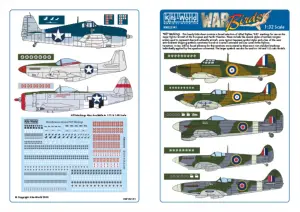
Kits World
1/32
Decal Kill Markings Ww Ii Accessories For Aircraft
KW132141 Only 1 left
$9.83 $11.99
 Black Friday−15%
5d 1h
Hot
 Black Friday−15%
5d 1h
Hot
 Black Friday−15%
5d 1h
New
Hot

 Black Friday−20%
5d 1h
Hot
Similar products 24
 Black Friday−20%
5d 1h
 Black Friday−20%
5d 1h
Dan Models
1/48
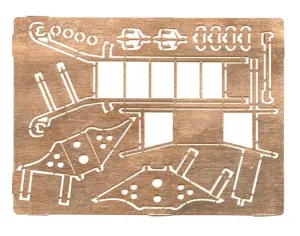
MiG-21 ladder, locking pads, antenna angle of attack indicator, for Academy kit
DAN48524
$5.59 $6.99
 Black Friday−20%
5d 1h
 Black Friday−20%
5d 1h
 Black Friday−20%
5d 1h
 Black Friday−20%
5d 1h
 Black Friday−20%
5d 1h
Hot
 Black Friday−20%
5d 1h
Hot
 Black Friday−20%
5d 1h
 Black Friday−20%
5d 1h
 Black Friday−20%
5d 1h
 Black Friday−20%
5d 1h
 Black Friday−20%
5d 1h
 Black Friday−20%
5d 1h
Hot
 Black Friday−20%
5d 1h
Hot

 Black Friday−20%
5d 1h
 Black Friday−20%
5d 1h
 Black Friday−20%
5d 1h
 Black Friday−20%
5d 1h
 Black Friday−20%
5d 1h
Hot
 Black Friday−20%
5d 1h
 Black Friday−20%
5d 1h
Hot
 Black Friday−20%
5d 1h
 Black Friday−20%
5d 1h
$5.59
$6.99