
 −13%
4d 19h
Hot
−15%
Hover to zoom · Click to enlarge
- U.S. tariffs paid No duties on arrival
- Free shipping on larger orders
- Free returns No restocking fees
- Trusted seller 35,000+ eBay reviews
Just purchased in Aircraft
-
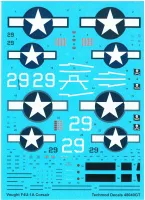
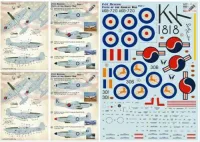
Techmod 48040 1/48 Vought F4u-1a Corsair 1944 Fighter Bomber Us Wet Decal Wwii
United States
an hour ago
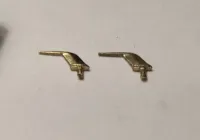
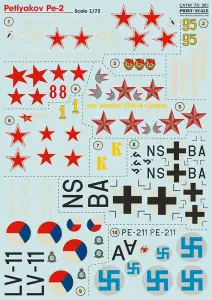
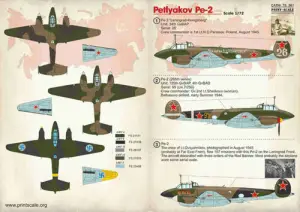
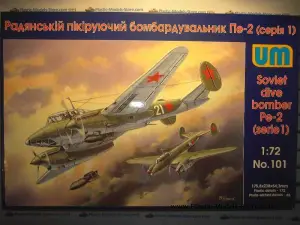
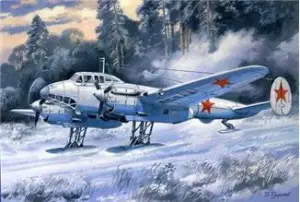
Pe-2 Petlyakov Finland Air Force bomber WWII
$21.24
$24.99
−15%
Ends in
00d 00:00:00
Get $1.06 back in rewards
Buy this item and you'll earn 106 points — that's $1.06 off your next order.
Points are added to your account after the purchase. 100 points = $1. Available for registered customers.
How rewards work →
or buy now
0.33 lb free in this 0.97 lb box — add more items, shipping stays $12.99.
$150.00 to free shipping
- U.S. tariffs paid No duties on arrival
- Free shipping on larger orders
- Free returns No restocking fees
- Trusted seller 35,000+ eBay reviews
Just purchased in Aircraft
-
Techmod 48040 1/48 Vought F4u-1a Corsair 1944 Fighter Bomber Us Wet Decal Wwii
United States
an hour ago
- Brand
- UniModel (UM)
- Item number
- UM102
- Scale
- 1/72
- Category
- Aircraft / Kits
- Type
- Bomber
- Material
- Photo-etch
- Prototype
- Pe-2
- Weight
- 0.64 lb
- Date added
- 04 Mar 2009
United States · Airmail with tracking · delivery ~14 days. Change the country in the shipping box above.
| Box weight (products) | Price |
|---|---|
| 0.00 lb – 0.49 lb | $8.90 |
| 0.49 lb – 0.97 lb | $12.99 |
| 0.97 lb – 1.94 lb | $19.99 |
| 1.94 lb – 220.46 lb | $22.99 |
| Order over $150.00 | FREE |
This product weighs 0.64 lb.
There are no reviews for this product yet.
Accessories for this kit 24
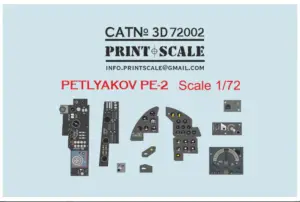
Matched by prototype (Pe-2)
−13%
4d 19h
Hot
 −15%
4d 19h
 −15%
4d 19h
 −15%
4d 19h
 −13%
4d 19h
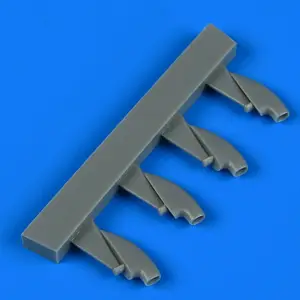
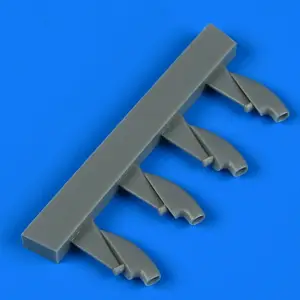
Quickboost
1/72
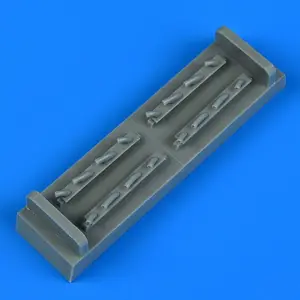
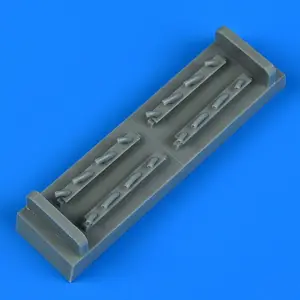
Petlyakov Pe-2 Air Intakes For Zvezda Accessories Kit
QB72632 Only 1 left
$4.34 $4.99
 −13%
4d 19h
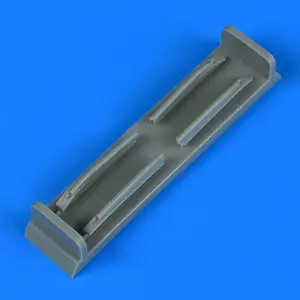
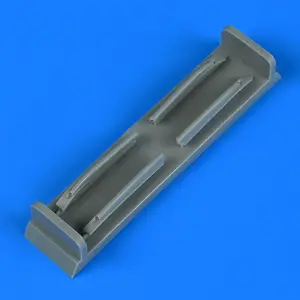
Quickboost
1/72
Petlyakov Pe-2 Exhaust Covered For Zvezda Accessories Kit
QB72633 Only 1 left
$5.21 $5.99
 −15%
4d 19h
 −13%
4d 19h
 −15%
4d 19h
Hot
 −15%
4d 19h
 −10%
4d 19h
Hot
 −10%
4d 19h
Hot
 −10%
4d 19h
Hot
 −15%
4d 19h
Hot
 −10%
4d 19h
Hot
 −10%
4d 19h
Hot
 −15%
4d 19h
 −15%
4d 19h
Hot
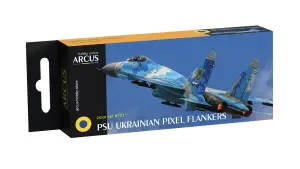
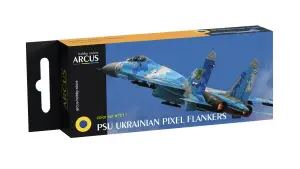
Arcus Colors
No scale
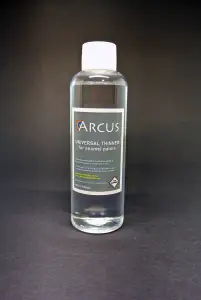
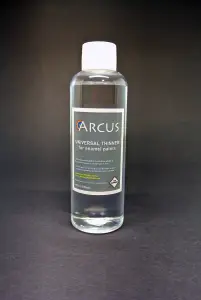
Arcus 7011 Enamel paints set PSU Ukrainian Flankers 6 colors in set 10ml
ARC-7011
$9.34 $10.99
 −10%
4d 19h
LMG
No scale
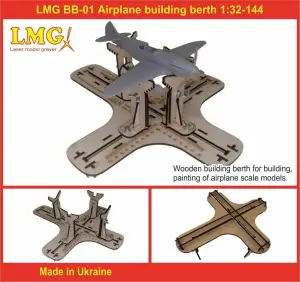
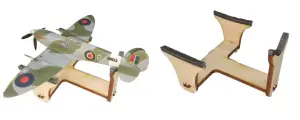
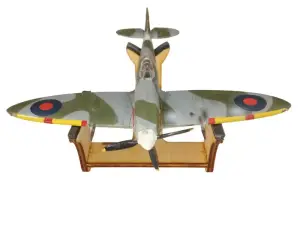
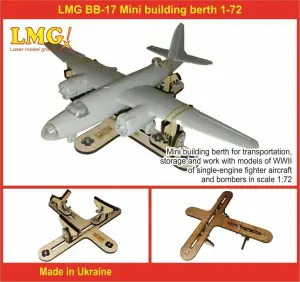
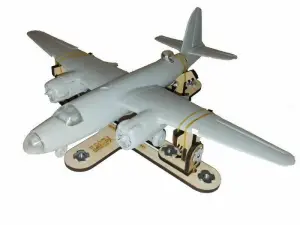
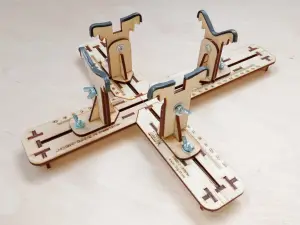
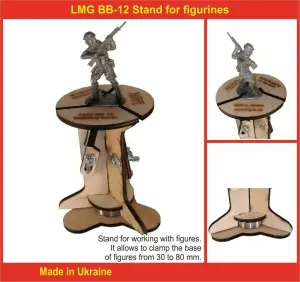
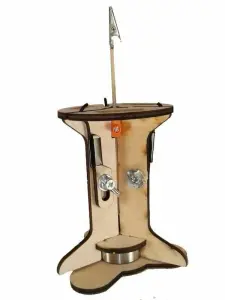
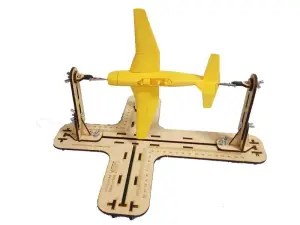
Stand for working with figures plastic model kit, Laser Model Graving
LMG-BB-12
$8.09 $8.99
 −10%
4d 19h
 −15%
4d 19h
Hot
 −10%
4d 19h
Hot
LMG
No scale
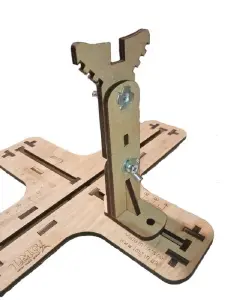
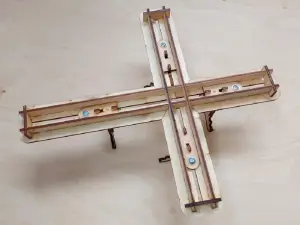
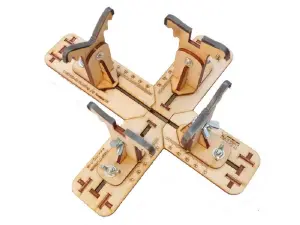
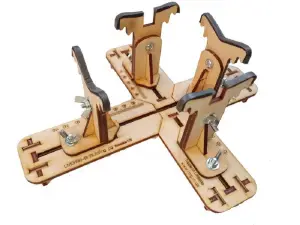
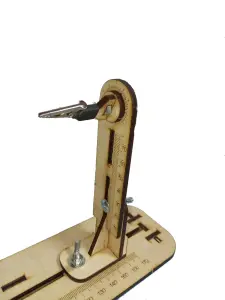
Clamp for model (universal), Laser Model Graving, BASE NOT INCLUDED
LMG-BB-38
$4.49 $4.99
 −15%
4d 19h
Hot
Arcus Colors
No scale
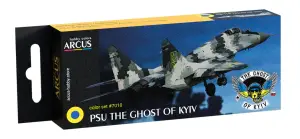
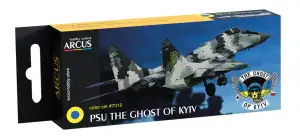
Arcus A7010 Acrylic Paints Set Psu The Ghost Of Kyiv 6 Colors In Set 10ml
ARC-A7010
$9.34 $10.99
 −10%
4d 19h
LMG
No scale
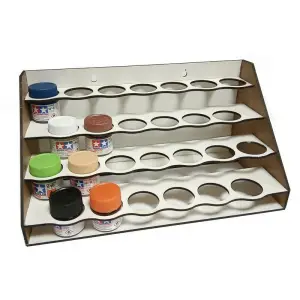
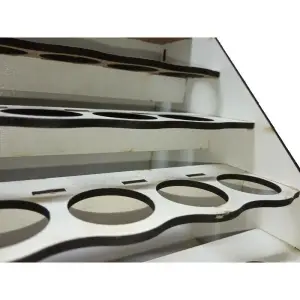
Paint stand for 26 tanks with, diameter 35 mm, Laser Model Graving
LMG-WOH-1211
$21.59 $23.99
People also bought 12
 −10%
4d 19h
Hot
 −15%
4d 19h
 −15%
4d 19h
 −15%
4d 19h
Hot

 −15%
4d 19h
Hot
 −10%
4d 19h
Hot
 −15%
4d 19h
New
Hot
 −15%
4d 19h
Hot

 −15%
4d 19h
Hot
 −15%
4d 19h
Hot
 −10%
4d 19h
Hot
 −15%
4d 19h
New
Hot
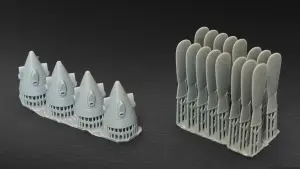
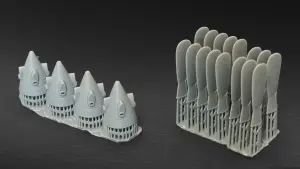
Metallic Details
1/72
P-3c Orion Propellers 4 Pcs 3d Printed Detail Set For Hasegawa Kit
MDR72167
$11.04 $12.99
Similar products 24
 −15%
4d 19h
 −15%
4d 19h
−15%
4d 19h
−15%
4d 19h
 −15%
4d 19h
 −15%
4d 19h
UniModel (UM)
1/72
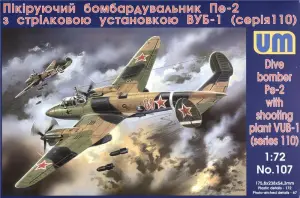
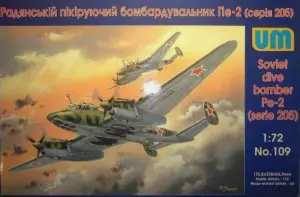
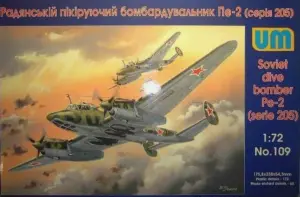
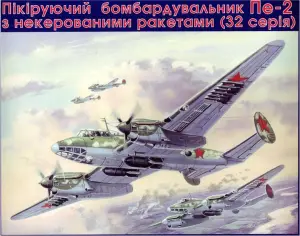
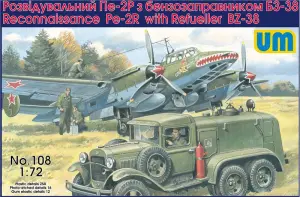
Russian Pe-2 Soviet dive bomber with unguided rockets (serie 32) WWII UM 102
UM103
$21.24 $24.99
 −15%
4d 19h
 −13%
4d 19h
Brengun
1/72
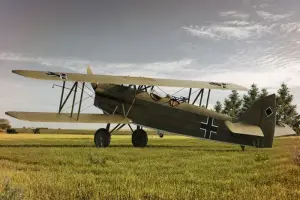
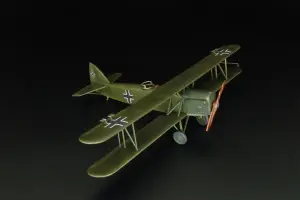
Letov S-16 Luftwaffe-Slovak AF plastic construction kit
BRP72024 Only 1 left
$21.74 $24.99
 −13%
4d 19h
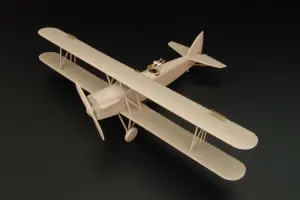
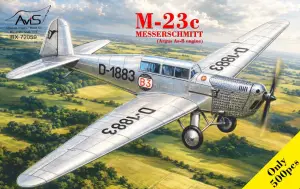 −15%
4d 19h
New
Hot
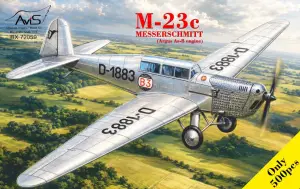
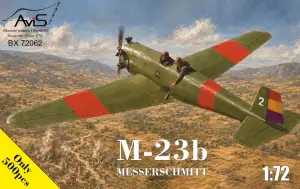 −15%
4d 19h
New
Hot
 −13%
4d 19h
 −10%
4d 19h
 −13%
4d 19h
 −10%
4d 19h
Hot
 −13%
4d 19h
Brengun
1/72
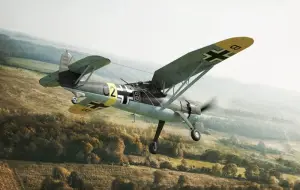
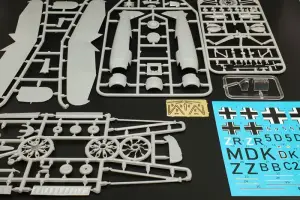
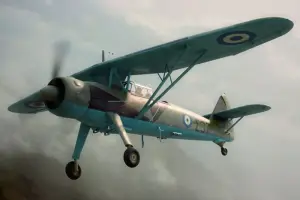
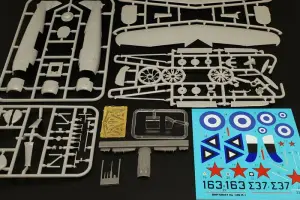
Henschel Hs-126K6/B1 Greece-Estonia-USSR plastic kit
BRP72047 Only 1 left
$21.74 $24.99
 −13%
4d 19h
Brengun
1/72
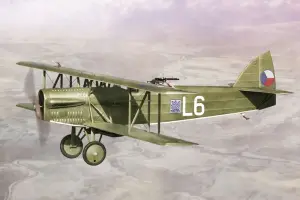
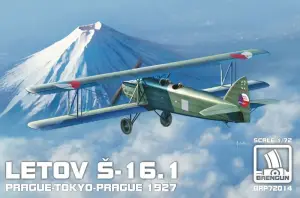
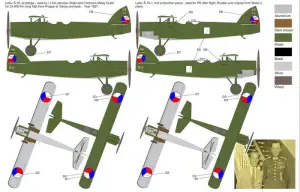
Letov S-16 1 Prague-Tokyo-Prague plastic construction kit
BRP72014 Only 1 left
$21.74 $24.99
 −10%
4d 19h
 −15%
4d 19h
 −10%
4d 19h
Amodel
1/72
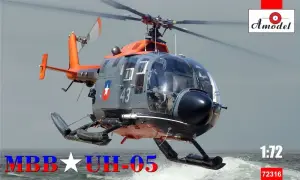
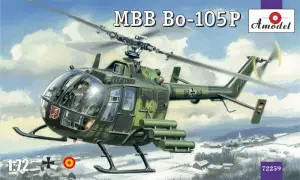
Building Mbb Uh-05 Helicopter Chilean Air Force, model kit
AMO72316 Only 1 left
$21.59 $23.99
 −10%
4d 19h
Hot
 −10%
4d 19h
 −10%
4d 19h
Hot
 −15%
4d 19h

Recently viewed 1
 −13%
4d 19h
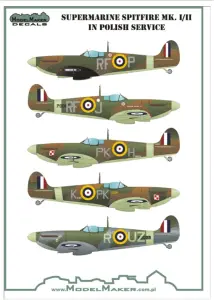
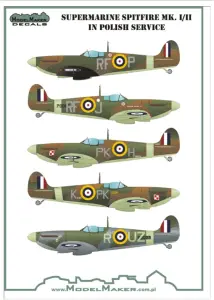
ModelMaker
1/48
Model Maker D48074 Spitfire Mk I/Ii In Polish Service
MMKR-D48074 Only 1 left
$11.30 $12.99
$21.24
$24.99