

 −15%
16h 31m
Hot
−15%
Hover to zoom · Click to enlarge
- U.S. tariffs paid No duties on arrival
- Free shipping on larger orders
- Free returns No restocking fees
- Trusted seller 35,000+ eBay reviews
Just purchased in Figures
-
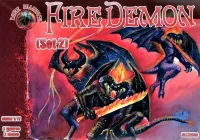
Alliance 72036 - 1/72 Fire Demon, Set 2 (Fantasy Series) scale plastic model kit
United States
an hour ago
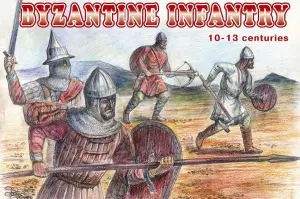
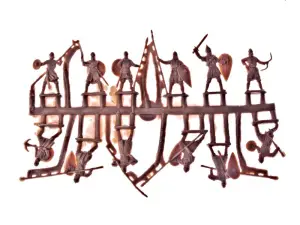
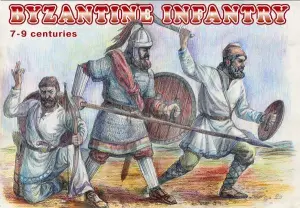
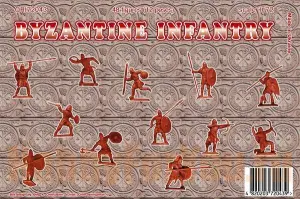
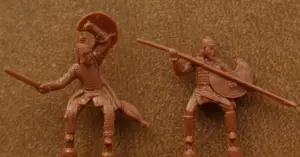
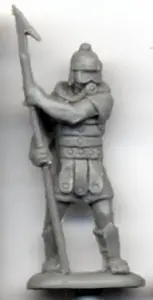
Byzantine infantry, XII-XV century
$7.64
$8.99
−15%
Ends in
00d 00:00:00
Get $0.38 back in rewards
Buy this item and you'll earn 38 points — that's $0.38 off your next order.
Points are added to your account after the purchase. 100 points = $1. Available for registered customers.
How rewards work →
or buy now
0.35 lb free in this 0.49 lb box — add more items, shipping stays $8.90.
$150.00 to free shipping
- U.S. tariffs paid No duties on arrival
- Free shipping on larger orders
- Free returns No restocking fees
- Trusted seller 35,000+ eBay reviews
Just purchased in Figures
-
Alliance 72036 - 1/72 Fire Demon, Set 2 (Fantasy Series) scale plastic model kit
United States
an hour ago
- Brand
- Orion
- Item number
- ORI72027
- Scale
- 1/72
- Category
- Figures / Kits
- Type
- Ancient Warriors
- Material
- Plastic
- Weight
- 0.14 lb
- Date added
- 31 Mar 2014
United States · Airmail with tracking · delivery ~14 days. Change the country in the shipping box above.
| Box weight (products) | Price |
|---|---|
| 0.00 lb – 0.49 lb | $8.90 |
| 0.49 lb – 0.97 lb | $12.99 |
| 0.97 lb – 1.94 lb | $19.99 |
| 1.94 lb – 220.46 lb | $22.99 |
| Order over $150.00 | FREE |
This product weighs 0.14 lb.
There are no reviews for this product yet.
Finish your build 24
Paints and supplies
−15%
16h 31m
Hot
 −15%
16h 31m
 −10%
16h 31m
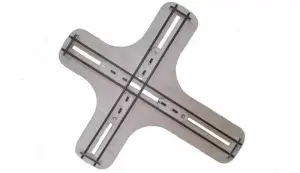
LMG
No scale
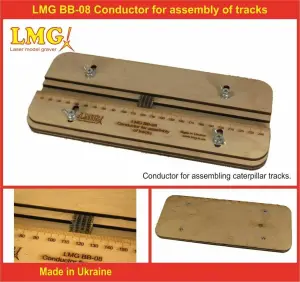
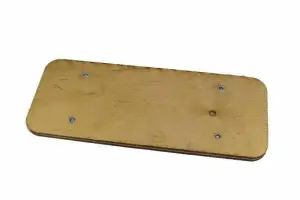
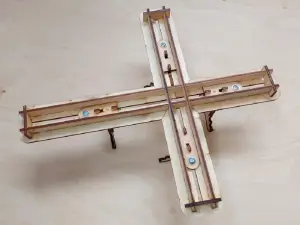
Conductor for assembly of tracks for plastic model kit, Laser Graving
LMG-BB-08
$9.89 $10.99
 −10%
16h 31m
LMG
No scale
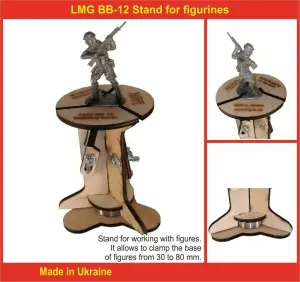
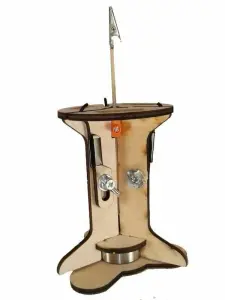
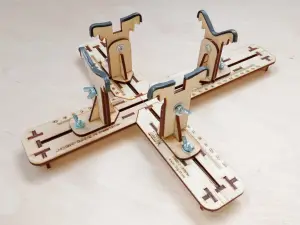
Stand for working with figures plastic model kit, Laser Model Graving
LMG-BB-12
$8.09 $8.99
 −15%
16h 31m
Hot
 −10%
16h 31m
Hot
 −15%
16h 31m
Hot
 −15%
16h 31m
 −15%
16h 31m
Hot
 −15%
16h 31m
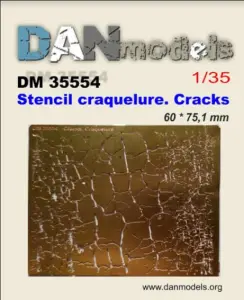
Dan Models
1/35
DM 35554 - Stencil. Cracks, craquelure. Size 60 75.1 mm, Accessories Scale kit
DAN35554
$9.34 $10.99
 −10%
16h 31m
Hot
 −15%
16h 31m
Hot
 −15%
16h 31m
Hot
 −10%
16h 31m
Hot
 −10%
16h 31m
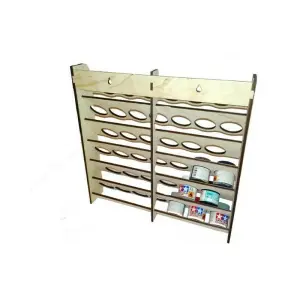
LMG
No scale
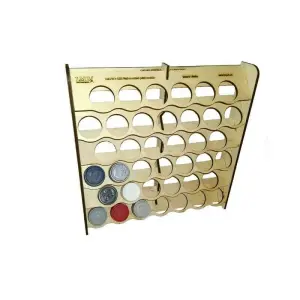
Wall Paint Stand, size 300x300x50 mm, shelf, Laser Model Graving
LMG-WO-1223
$22.49 $24.99
 −10%
16h 31m
Hot
 −15%
16h 31m
Hot
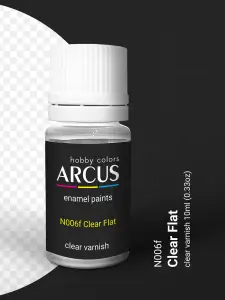
Arcus Colors
No scale
Arcus 006 Enamel paint Transparent gloss varnish. Clear Flat 10ml
ARC-006
$1.69 $1.99
 −15%
16h 31m
Hot
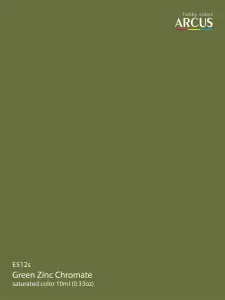
Arcus Colors
No scale
Arcus 512 Enamel paint USAF Green Zinc Chromate Saturated color 10ml
ARC-512
$1.69 $1.99
 −10%
16h 31m
Hot
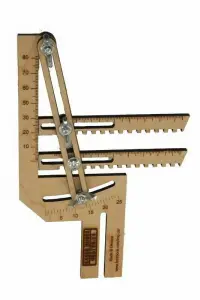
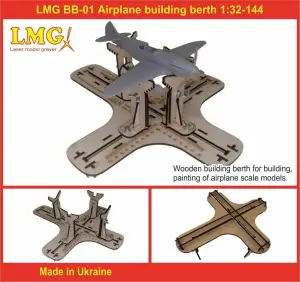
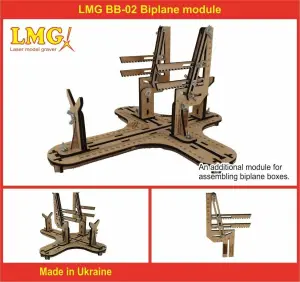
LMG
No scale
Biplane module (To the building berth LMG BB-01), Laser Model Graving
LMG-BB-02
$8.09 $8.99
 −10%
16h 31m
Hot
LMG
No scale
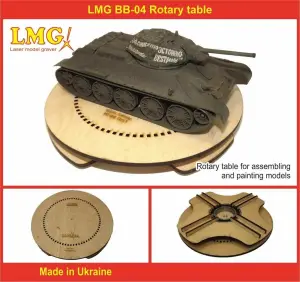
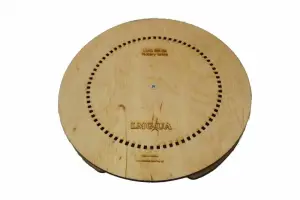
Rotary table for plastic model kits Laser Model Graving building berth
LMG-BB-04
$11.69 $12.99
 −15%
16h 31m
Hot
 −15%
16h 31m
Hot
 −15%
16h 31m
Hot
Arcus Colors
No scale
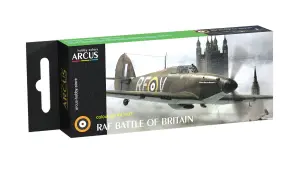
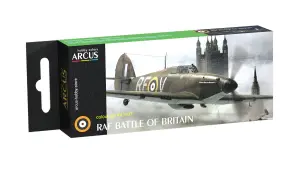
Arcus A3007 Acrylic paints set RAF Battle of Britain 6 colors in set 10ml
ARC-A3007
$9.34 $10.99
People also bought 12
 −15%
16h 31m
 −15%
16h 31m
 −15%
16h 31m
 −15%
16h 31m
 −15%
16h 31m
 −15%
16h 31m
Orion
1/72
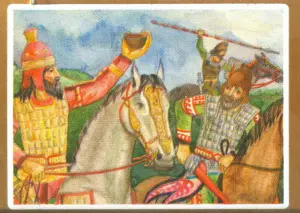
Bundle lot of Orion 72024+72025 VII-II Century AD Scythian Infantry+Cavalry
ORI72024+72025
$14.44 $16.99
 −15%
16h 31m
Hot
 −15%
16h 31m
 −15%
16h 31m
 −15%
16h 31m
 −15%
16h 31m
Hot
 −15%
16h 31m
Hot
Similar products 24
−15%
16h 31m
 −15%
16h 31m
Hot

 −15%
16h 31m
Hot
 −15%
16h 31m
 −15%
16h 31m
 −15%
16h 31m
 −15%
16h 31m
 −15%
16h 31m
Hot
 −15%
16h 31m
 −15%
16h 31m
 −15%
16h 31m
Hot
 −15%
16h 31m
Hot
 −15%
16h 31m
 −15%
16h 31m
Hot

 −15%
16h 31m

 −15%
16h 31m
Discontinued
 −15%
16h 31m
Hot
 −15%
16h 31m
 −15%
16h 31m
 −15%
16h 31m

 −15%
16h 31m
 −15%
16h 31m
Hot
 −15%
16h 31m
 −15%
16h 31m

$7.64
$8.99