


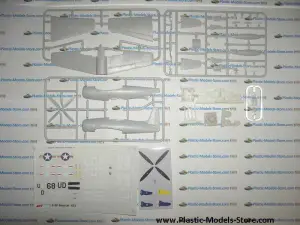
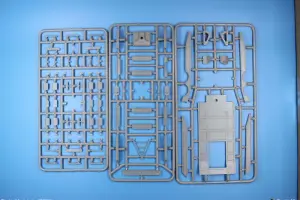
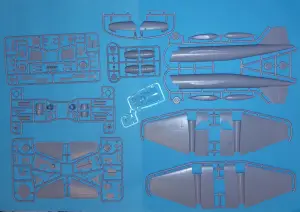
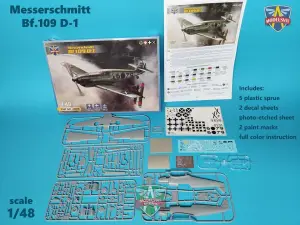
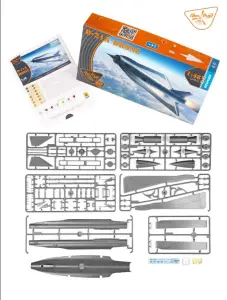
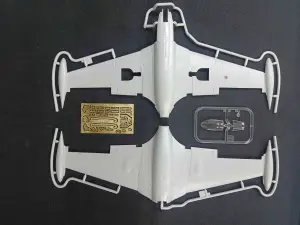
If you are looking for an unusual subject for your next 1:48 scale model aircraft project: look no further! Modelsvit has this highly detailed, good quality short-run kit of this aircraft prototype for your modelling pleasure. It's a challenging set and due to the short-run nature of the kit, not all parts fit perfectly, but overall, this kit is still a lot of fun to build. Especially the cockpit is rich in detail, the decals are clear and the adhesive masks are of excellent quality. The only drawbacks I encountered were the handling of the small, fickle photo-etch parts, as well as some fitting issues of the larger parts. Also, some sprues don't have the parts numbered, but the clear manual has every part displayed. This kit isn't suitable for beginners, but is otherwise well worth the purchase! Happy modelling!
- 미국 관세 납부 완료 도착 시 추가 관세 없음
- 무료 배송 대량 주문 시
- 무료 반품 반품 수수료 없음
- 신뢰할 수 있는 판매자 eBay 리뷰 35,000개 이상
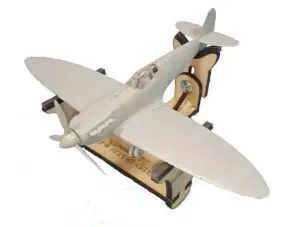
Curtiss-Wright XP-55 Ascender, WWII
받기 $2.03 적립금으로 다시 사용 가능
이 상품을 구매하면 적립됩니다 203 points — 입니다 $2.03 다음 주문 시 할인.
구매 후 계정에 포인트가 적립됩니다. 100포인트 = $1. 회원 고객에게 제공됩니다.
적립금 이용 안내 →0.40 lb free in this 0.97 lb box — add more items, shipping stays $12.99.
- 미국 관세 납부 완료 도착 시 추가 관세 없음
- 무료 배송 대량 주문 시
- 무료 반품 반품 수수료 없음
- 신뢰할 수 있는 판매자 eBay 리뷰 35,000개 이상
미국 · Airmail with tracking · delivery ~14 days. 위 배송 상자에서 국가를 변경하세요.
| 박스 무게(상품) | 가격 |
|---|---|
| 0.00 lb – 0.49 lb | $8.90 |
| 0.49 lb – 0.97 lb | $12.99 |
| 0.97 lb – 1.94 lb | $19.99 |
| 1.94 lb – 220.46 lb | $22.99 |
| $150.00 이상 주문 | 무료 |
이 상품의 무게는 0.57 lb입니다.
제작을 완성하세요 24
도료·용품
 Black Friday−20%
4d 12h
인기
 Black Friday−20%
4d 12h
 Black Friday−15%
4d 12h
인기
 Black Friday−15%
4d 12h
인기
 Black Friday−15%
4d 12h
인기
 Black Friday−20%
4d 12h
인기
 Black Friday−15%
4d 12h
 Black Friday−15%
4d 12h
인기
 Black Friday−20%
4d 12h
 Black Friday−20%
4d 12h
인기
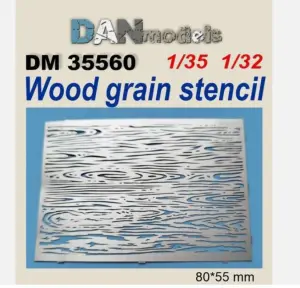
 Black Friday−20%
4d 12h
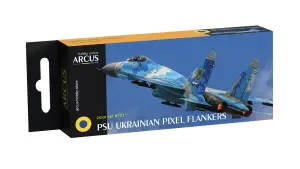
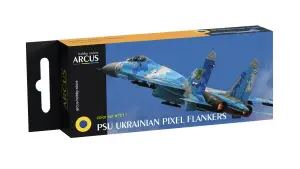
ARC-7011
$8.79 $10.99
 Black Friday−15%
4d 12h
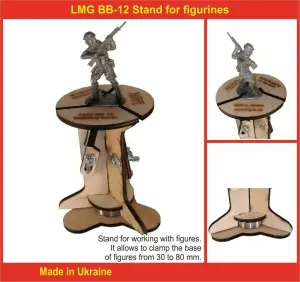
LMG-BB-12
$7.64 $8.99
 Black Friday−15%
4d 12h
 Black Friday−15%
4d 12h
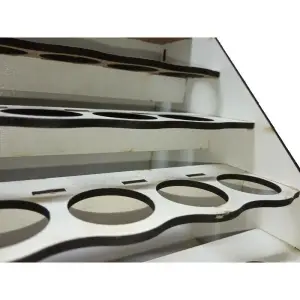
LMG-WOH-1211
$20.39 $23.99
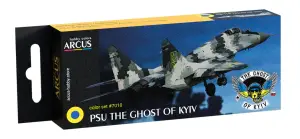 Black Friday−20%
4d 12h
인기
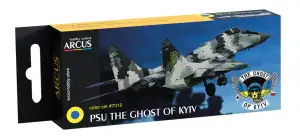
ARC-A7010
$8.79 $10.99
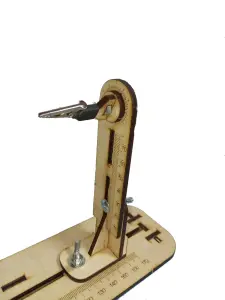 Black Friday−15%
4d 12h
인기
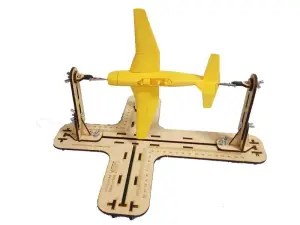
LMG-BB-38
$4.24 $4.99
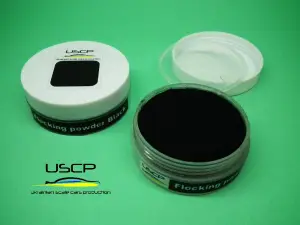 Black Friday−20%
4d 12h
 Black Friday−20%
4d 12h
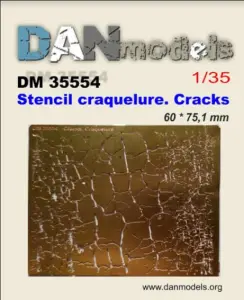
DAN35554
$8.79 $10.99
 Black Friday−15%
4d 12h
 Black Friday−20%
4d 12h
인기
ARC-4010
$8.79 $10.99
 Black Friday−30%
4d 12h
 Black Friday−15%
4d 12h
 Black Friday−20%
4d 12h
ARC-A5003
$8.79 $10.99
 Black Friday−20%
4d 12h

ARC-A078
$2.39 $2.99
함께 구매한 상품 12
 Black Friday−15%
4d 12h
 Black Friday−20%
4d 12h
 Black Friday−20%
4d 12h
Black Friday−15%
4d 12h
인기
 Black Friday−15%
4d 12h
인기
MM350-009
$20.39 $23.99
 Black Friday−20%
4d 12h
인기
 Black Friday−15%
4d 12h
인기
 Black Friday−15%
4d 12h
인기
 Black Friday−15%
4d 12h
인기
 Black Friday−20%
4d 12h
 Black Friday−20%
4d 12h
인기
 Black Friday−15%
4d 12h
비슷한 상품 24
 Black Friday−15%
4d 12h
MSVIT4821 1개 남음
$45.04 $52.99
 Black Friday−15%
4d 12h
 Black Friday−15%
4d 12h
 Black Friday−15%
4d 12h
인기
 Black Friday−15%
4d 12h
MSVIT4809 2개 남음
$33.14 $38.99
 Black Friday−15%
4d 12h
 Black Friday−15%
4d 12h
 Black Friday−15%
4d 12h
 Black Friday−15%
4d 12h
 Black Friday−15%
4d 12h

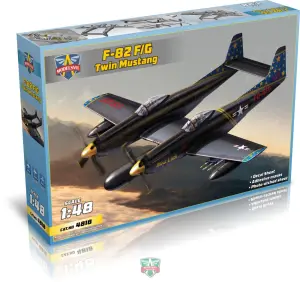
MSVIT4818 1개 남음
$65.44 $76.99
 Black Friday−15%
4d 12h
 Black Friday−15%
4d 12h

 Black Friday−15%
4d 12h
 Black Friday−15%
4d 12h
인기
 Black Friday−15%
4d 12h

 Black Friday−15%
4d 12h
 Black Friday−15%
4d 12h
인기
DW48064
$39.94 $46.99
 Black Friday−15%
4d 12h

 Black Friday−15%
4d 12h

 Black Friday−15%
4d 12h
인기

 Black Friday−15%
4d 12h
 Black Friday−15%
4d 12h
인기

 Black Friday−15%
4d 12h
 Black Friday−15%
4d 12h
최근 본 상품 16
 Black Friday−18%
4d 12h
 Black Friday−15%
4d 12h
 Black Friday−15%
4d 12h
신상품
 Black Friday−15%
4d 12h
인기
 Black Friday−18%
4d 12h
 Black Friday−18%
4d 12h
 Black Friday−15%
4d 12h
 Black Friday−18%
4d 12h
 Black Friday−18%
4d 12h
 Black Friday−18%
4d 12h
 Black Friday−15%
4d 12h
 Black Friday−18%
4d 12h
 Black Friday−18%
4d 12h
 Black Friday−18%
4d 12h
 Black Friday−18%
4d 12h

 Black Friday−20%
4d 12h
인기