
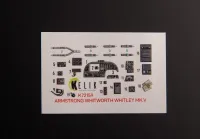
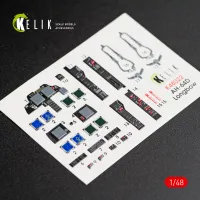
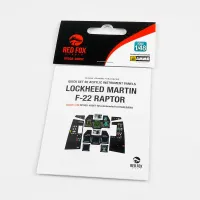

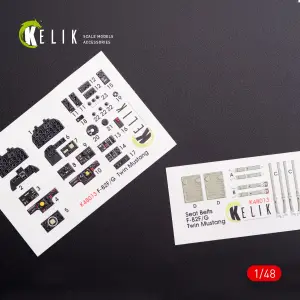
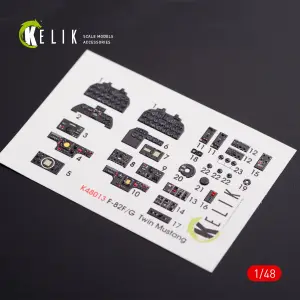
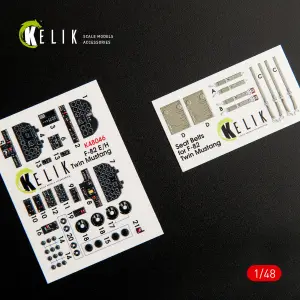
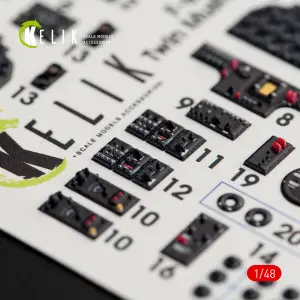
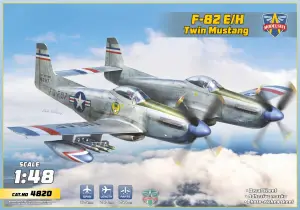
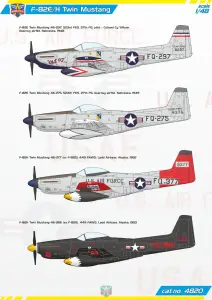
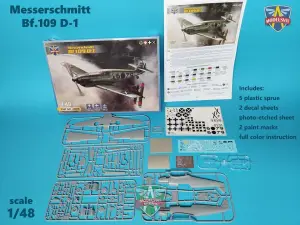
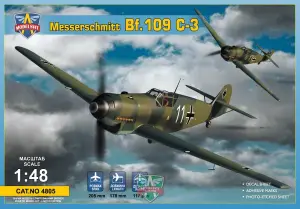
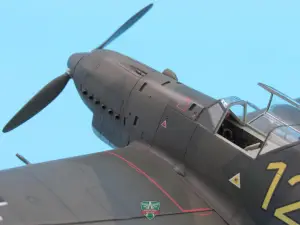
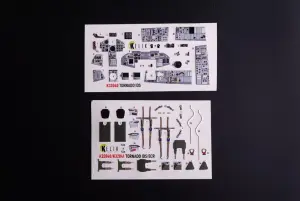
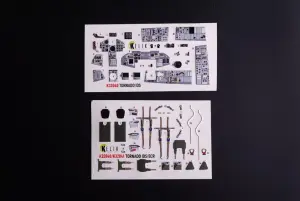
Another excellent kit by Modelsvit with very few fitting issues, a clear instruction manual and a very conservative and functional use of photo-etch parts, mostly for the engine exhausts, landing gear support and cockpit interior, giving the latter a nice, extra touch of detail. If you"re not a fan of PE detailing, Kelik - also available here - has a wonderful 3D decal set for the cockpit interior. (Kelik K48013) With a humongous amount of parts, this kit will eat up a lot of your time, but in a good way. Also noteworthy are the crystal clear plastic parts for the canopies, as well as the many decals and stencils by Decograph. If you wish to build the daytime fighter version, get kit no. 4820. (With Kelik K48046 3D decals if you wish). Highly recommended!
- 미국 관세 납부 완료 도착 시 추가 관세 없음
- 무료 배송 대량 주문 시
- 무료 반품 반품 수수료 없음
- 신뢰할 수 있는 판매자 eBay 리뷰 35,000개 이상
최근 항공기에서 구매
Model Svit 4818 - F-82F/G Twin Mustang scale plastic model kit
받기 $3.27 적립금으로 다시 사용 가능
이 상품을 구매하면 적립됩니다 327 포인트 — 입니다 $3.27 다음 주문 시 할인.
구매 후 계정에 포인트가 적립됩니다. 100포인트 = $1. 회원 고객에게 제공됩니다.
적립금 이용 안내 →이 1.94 lb 박스에서 0.74 lb 무료 — 상품을 더 담아도 배송비는 $19.99로 동일합니다.
- 미국 관세 납부 완료 도착 시 추가 관세 없음
- 무료 배송 대량 주문 시
- 무료 반품 반품 수수료 없음
- 신뢰할 수 있는 판매자 eBay 리뷰 35,000개 이상
최근 항공기에서 구매
미국 · 송장번호 포함 항공 우편 · 배송 약 14일. 위 배송 상자에서 국가를 변경하세요.
| 박스 무게(상품) | 가격 |
|---|---|
| 0.00 lb – 0.49 lb | $8.90 |
| 0.49 lb – 0.97 lb | $12.99 |
| 0.97 lb – 1.94 lb | $19.99 |
| 1.94 lb – 220.46 lb | $22.99 |
| $150.00 이상 주문 | 무료 |
이 상품의 무게는 1.20 lb입니다.
이 키트용 액세서리 24
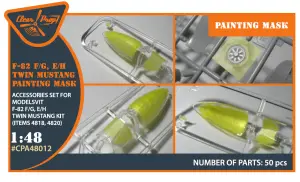
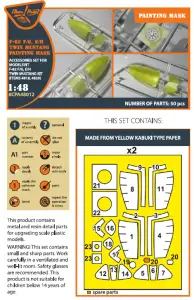
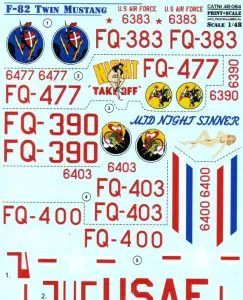
프로토타입 일치 (F-82F)
 Black Friday−15%
4d 11h
 Black Friday−20%
4d 11h
 Black Friday−20%
4d 11h
 Black Friday−20%
4d 11h
 Black Friday−20%
4d 11h
단종
 Black Friday−20%
4d 11h
단종
PSR48038 2개 남음
$22.39 $27.99
 Black Friday−20%
4d 11h
인기
 Black Friday−20%
4d 11h
 Black Friday−15%
4d 11h
인기
 Black Friday−15%
4d 11h
인기
 Black Friday−15%
4d 11h
인기
 Black Friday−20%
4d 11h
인기
 Black Friday−15%
4d 11h
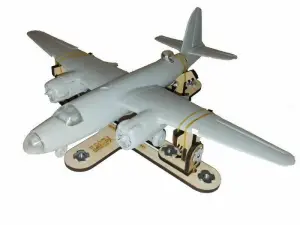
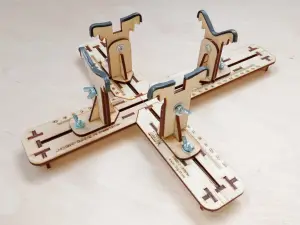 Black Friday−15%
4d 11h
인기
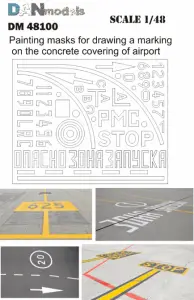 Black Friday−20%
4d 11h
 Black Friday−20%
4d 11h
인기
 Black Friday−20%
4d 11h
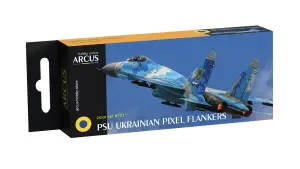
ARC-7011
$8.79 $10.99
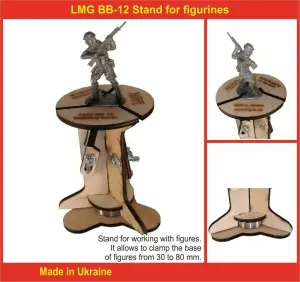 Black Friday−15%
4d 11h
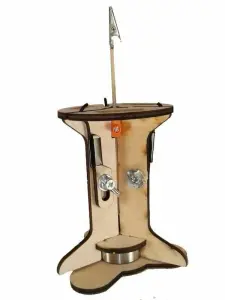
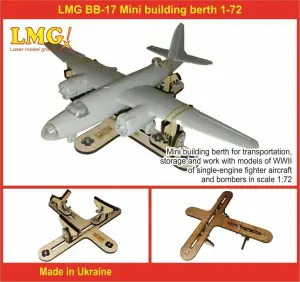
LMG-BB-12
$7.64 $8.99
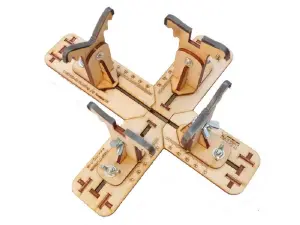 Black Friday−15%
4d 11h
 Black Friday−15%
4d 11h
LMG-WOH-1211
$20.39 $23.99
 Black Friday−20%
4d 11h
인기
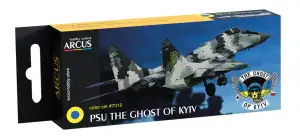
ARC-A7010
$8.79 $10.99
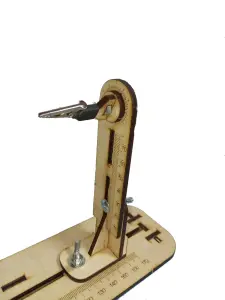 Black Friday−15%
4d 11h
인기
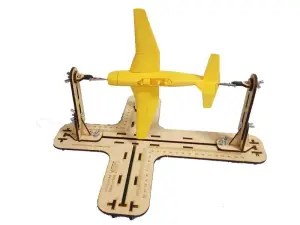
LMG-BB-38
$4.24 $4.99
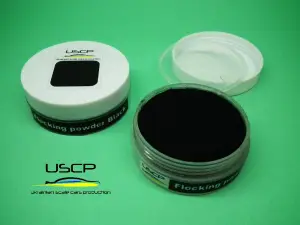 Black Friday−20%
4d 11h
 Black Friday−20%
4d 11h
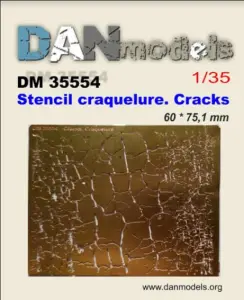
DAN35554
$8.79 $10.99
함께 구매한 상품 12
Black Friday−15%
4d 11h
Black Friday−20%
4d 11h
Black Friday−20%
4d 11h
단종
 Black Friday−15%
4d 11h
인기
 Black Friday−15%
4d 11h
인기
 Black Friday−20%
4d 11h
인기
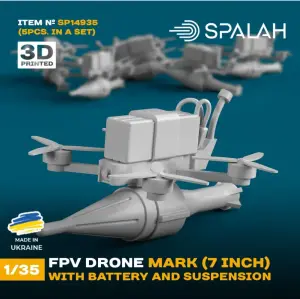
SP14935
$5.59 $6.99
 Black Friday−20%
4d 11h
인기
 Black Friday−20%
4d 11h
인기
 Black Friday−20%
4d 11h
인기
 Black Friday−20%
4d 11h
인기

KS24013
$18.39 $22.99
 Black Friday−15%
4d 11h
 Black Friday−20%
4d 11h
비슷한 상품 24
 Black Friday−15%
4d 11h
 Black Friday−15%
4d 11h
 Black Friday−15%
4d 11h
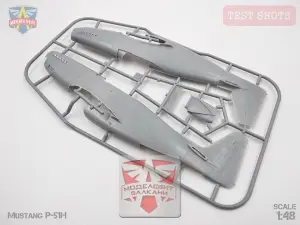
MSVIT4821 1개 남음
$45.04 $52.99
 Black Friday−15%
4d 11h

 Black Friday−15%
4d 11h
인기
 Black Friday−15%
4d 11h
 Black Friday−15%
4d 11h
MSVIT4809 2개 남음
$33.14 $38.99
 Black Friday−15%
4d 11h
 Black Friday−15%
4d 11h
 Black Friday−15%
4d 11h
 Black Friday−15%
4d 11h
 Black Friday−15%
4d 11h
 Black Friday−15%
4d 11h
 Black Friday−15%
4d 11h
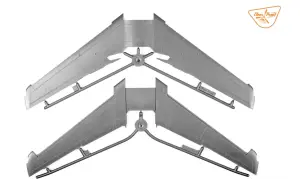
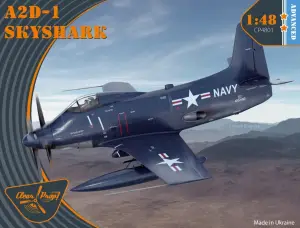 Black Friday−15%
4d 11h
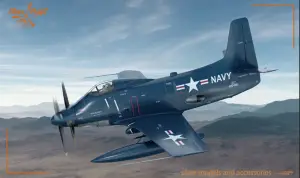
 Black Friday−15%
4d 11h

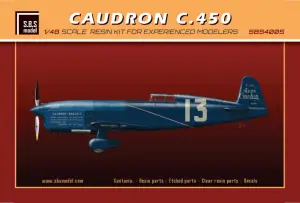 Black Friday−18%
4d 11h
 Black Friday−15%
4d 11h
 Black Friday−15%
4d 11h
 Black Friday−15%
4d 11h
 Black Friday−15%
4d 11h
 Black Friday−15%
4d 11h
신상품
 Black Friday−15%
4d 11h
 Black Friday−15%
4d 11h
인기
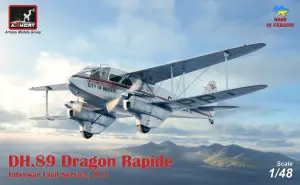
AR-48005
$58.64 $68.99
최근 본 상품 16
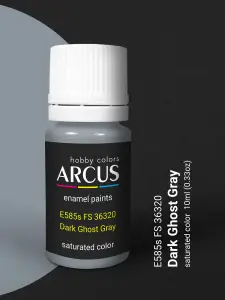 Black Friday−20%
4d 11h
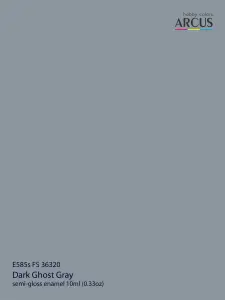
ARC-585
$1.59 $1.99
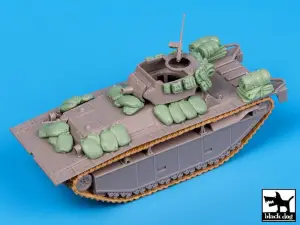 Black Friday−18%
4d 11h
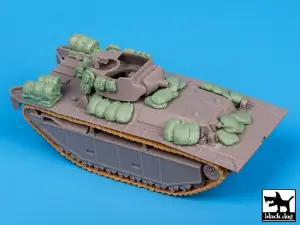
 Black Friday−20%
4d 11h
단종
 Black Friday−20%
4d 11h
인기
 Black Friday−18%
4d 11h
 Black Friday−18%
4d 11h
인기
 Black Friday−18%
4d 11h

 Black Friday−18%
4d 11h
 Black Friday−18%
4d 11h
 Black Friday−20%
4d 11h
 Black Friday−18%
4d 11h
 Black Friday−18%
4d 11h
 Black Friday−18%
4d 11h
 Black Friday−20%
4d 11h
 Black Friday−15%
4d 11h
인기
 Black Friday−18%
4d 11h