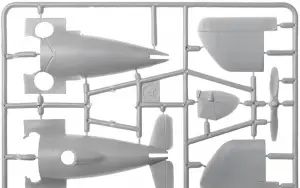


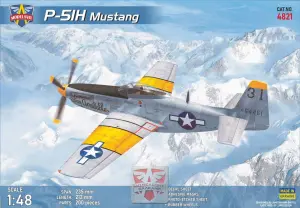
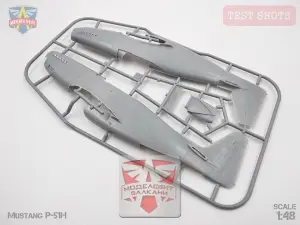
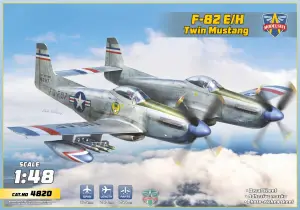
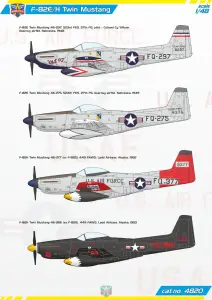
To be honest: the model kit market is oversaturated with Mustangs. And I am not talking about the muscle cars or the horse breed. Mustang kits come in various degrees of quality, ranging from mediocre to excellent. There are the older offerings from ICM, but there are also the excellent Tamiya and Eduard kits. And here is Modelsvit, offering another Mustang. However, this one isn't as well-known as the ubiqutous B or D versions. This H version, although it never saw action during WW2, is a further development of the succesful fighter formula, with a multitude of design changes, including a different fuselage shape, less gross weight, etc. So yes, it's another Mustang, but this one is a must-have, because it's a different breed of plane, less well-known and, in the capable hands of Modelsvit, who turned out a highly-detailed, well-fitting must-have! Highly recommended!
- 미국 관세 납부 완료 도착 시 추가 관세 없음
- 무료 배송 대량 주문 시
- 무료 반품 반품 수수료 없음
- 신뢰할 수 있는 판매자 eBay 리뷰 35,000개 이상
P-51H MustangI plastic kit model
받기 $2.25 적립금으로 다시 사용 가능
이 상품을 구매하면 적립됩니다 225 points — 입니다 $2.25 다음 주문 시 할인.
구매 후 계정에 포인트가 적립됩니다. 100포인트 = $1. 회원 고객에게 제공됩니다.
적립금 이용 안내 →0.29 lb free in this 0.97 lb box — add more items, shipping stays $12.99.
- 미국 관세 납부 완료 도착 시 추가 관세 없음
- 무료 배송 대량 주문 시
- 무료 반품 반품 수수료 없음
- 신뢰할 수 있는 판매자 eBay 리뷰 35,000개 이상
미국 · Airmail with tracking · delivery ~14 days. 위 배송 상자에서 국가를 변경하세요.
| 박스 무게(상품) | 가격 |
|---|---|
| 0.00 lb – 0.49 lb | $8.90 |
| 0.49 lb – 0.97 lb | $12.99 |
| 0.97 lb – 1.94 lb | $19.99 |
| 1.94 lb – 220.46 lb | $22.99 |
| $150.00 이상 주문 | 무료 |
이 상품의 무게는 0.68 lb입니다.
Accessories for this kit 24
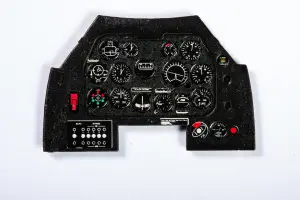
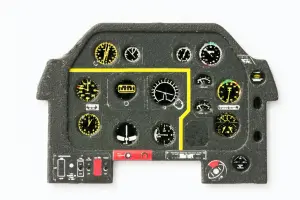
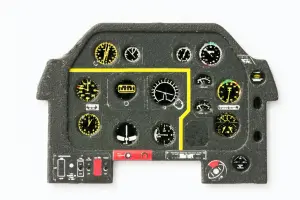
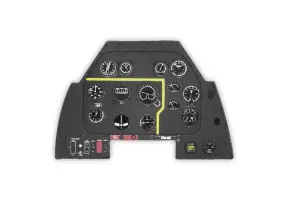
프로토타입 일치 (P-51H)
 Black Friday−20%
4d 12h
 Black Friday−20%
4d 12h
인기
 Black Friday−18%
4d 12h
인기
 Black Friday−20%
4d 12h
 Black Friday−18%
4d 12h
 Black Friday−18%
4d 12h
 Black Friday−18%
4d 12h
 Black Friday−18%
4d 12h
인기
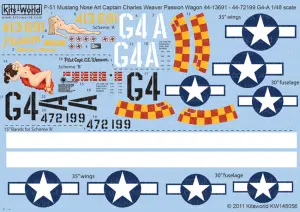
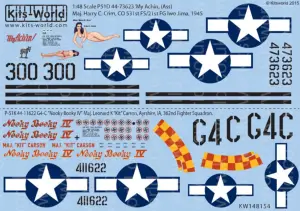
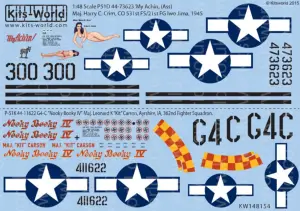
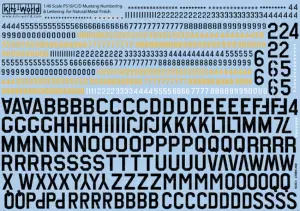
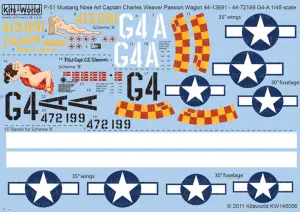
KW148056 2개 남음
$9.83 $11.99
 Black Friday−18%
4d 12h
인기
 Black Friday−18%
4d 12h
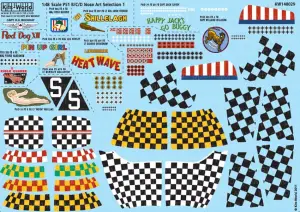 Black Friday−18%
4d 12h
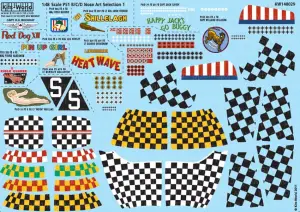
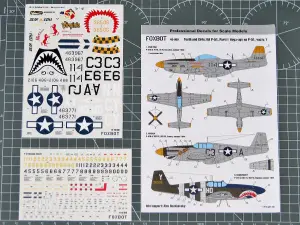 Black Friday−20%
4d 12h
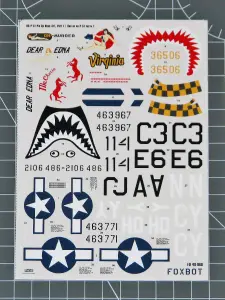
 Black Friday−20%
4d 12h
단종
 Black Friday−20%
4d 12h
 Black Friday−20%
4d 12h

REXx48006 1개 남음
$8.79 $10.99
 Black Friday−20%
4d 12h

REXx48012
$8.79 $10.99
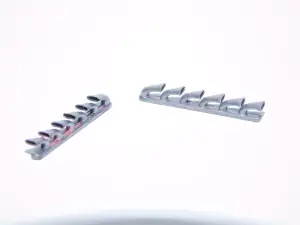 Black Friday−20%
4d 12h
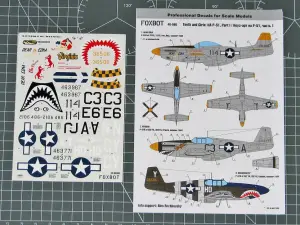 Black Friday−20%
4d 12h
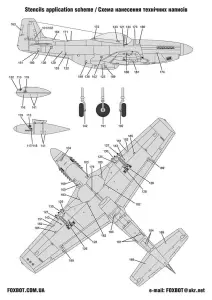
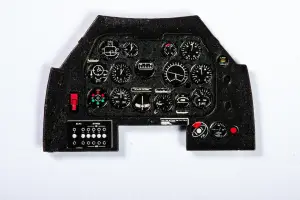 Black Friday−18%
4d 12h
 Black Friday−18%
4d 12h
 Black Friday−18%
4d 12h
 Black Friday−18%
4d 12h
 Black Friday−18%
4d 12h
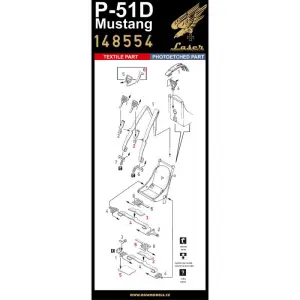
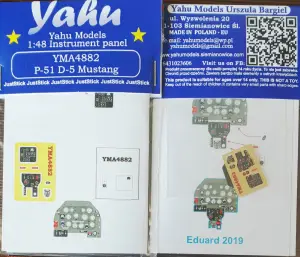
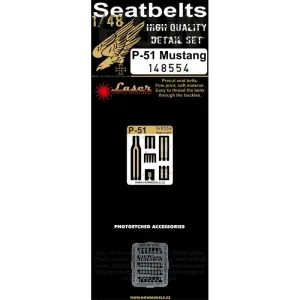
HGW-148554 2개 남음
$8.19 $9.99
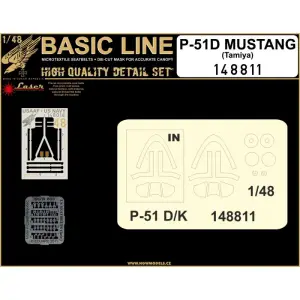 Black Friday−18%
4d 12h
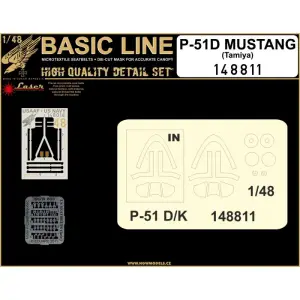
HGW-148811 1개 남음
$9.01 $10.99
함께 구매한 상품 12
 Black Friday−15%
4d 12h
인기
 Black Friday−15%
4d 12h

 Black Friday−20%
4d 12h
 Black Friday−20%
4d 12h
 Black Friday−15%
4d 12h
인기
 Black Friday−20%
4d 12h
인기

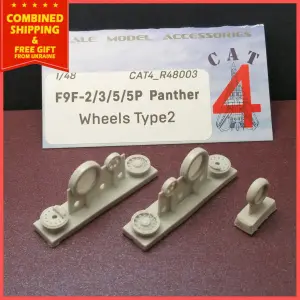
CAT4-R48003
$5.59 $6.99
 Black Friday−15%
4d 12h
인기
 Black Friday−20%
4d 12h
인기
 Black Friday−20%
4d 12h
인기
 Black Friday−20%
4d 12h
인기
 Black Friday−20%
4d 12h
인기
 Black Friday−20%
4d 12h
인기
비슷한 상품 24
 Black Friday−15%
4d 12h
MSVIT4821 1개 남음
$45.04 $52.99
 Black Friday−15%
4d 12h

 Black Friday−15%
4d 12h
인기
 Black Friday−15%
4d 12h
 Black Friday−15%
4d 12h
MSVIT4809 2개 남음
$33.14 $38.99
 Black Friday−15%
4d 12h
 Black Friday−15%
4d 12h
 Black Friday−15%
4d 12h
 Black Friday−15%
4d 12h
 Black Friday−15%
4d 12h
MSVIT4818 1개 남음
$65.44 $76.99
 Black Friday−15%
4d 12h
 Black Friday−15%
4d 12h
인기
 Black Friday−18%
4d 12h
 Black Friday−15%
4d 12h
인기
 Black Friday−18%
4d 12h
 Black Friday−15%
4d 12h
 Black Friday−15%
4d 12h
인기

 Black Friday−15%
4d 12h
인기

 Black Friday−15%
4d 12h
AA4803 2개 남음
$48.44 $56.99
 Black Friday−18%
4d 12h
 Black Friday−15%
4d 12h
인기
 Black Friday−15%
4d 12h
신상품
인기
 Black Friday−15%
4d 12h

 Black Friday−15%
4d 12h
신상품
인기
최근 본 상품 16
 Black Friday−20%
4d 12h

 Black Friday−15%
4d 12h
 Black Friday−18%
4d 12h
 Black Friday−18%
4d 12h
 Black Friday−15%
4d 12h
 Black Friday−20%
4d 12h

 Black Friday−18%
4d 12h
 Black Friday−15%
4d 12h
 Black Friday−18%
4d 12h
 Black Friday−15%
4d 12h
인기
 Black Friday−18%
4d 12h
 Black Friday−15%
4d 12h
 Black Friday−20%
4d 12h
 Black Friday−18%
4d 12h
 Black Friday−18%
4d 12h
 Black Friday−20%
4d 12h