

 Hot
- U.S. tariffs paid No duties on arrival
- Free shipping on larger orders
- Free returns No restocking fees
- Trusted seller 35,000+ eBay reviews
Just purchased in Aircraft
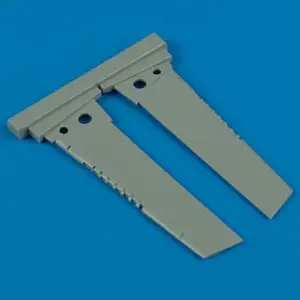
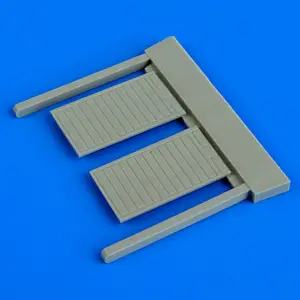
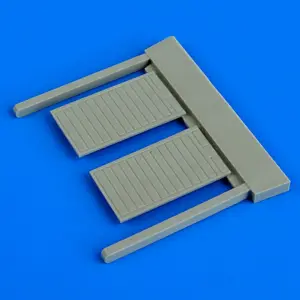
Su-27 plugs in the B3 to the nozzle on the shutters and a decal with numbers (Trumpeter)
$10.99
Get $0.54 back in rewards
Buy this item and you'll earn 54 points — that's $0.54 off your next order.
Points are added to your account after the purchase. 100 points = $1. Available for registered customers.
How rewards work →
Buy now
This item (0.01 lb) ships in a box up to 0.49 lb for $8.90. 0.47 lb left for more items at no extra shipping cost.
$150.00 to free shipping
- U.S. tariffs paid No duties on arrival
- Free shipping on larger orders
- Free returns No restocking fees
- Trusted seller 35,000+ eBay reviews
Just purchased in Aircraft
- Brand
- Dan Models
- Item number
- DAN72522
- Scale
- 1/72
- Category
- Aircraft / Accessories
- Type
- Exhausts & intakes
- Material
- Decal
- Prototype
- Su-27
- Weight
- 0.01 lb
- Date added
- 31 Mar 2014
United States · Airmail with tracking · delivery ~14 days. Change the country in the shipping box above.
| Box weight (products) | Price |
|---|---|
| 0.00 lb – 0.49 lb | $8.90 |
| 0.49 lb – 0.97 lb | $12.99 |
| 0.97 lb – 1.94 lb | $19.99 |
| 1.94 lb – 220.46 lb | $22.99 |
| Order over $150.00 | FREE |
This product weighs 0.01 lb.
There are no reviews for this product yet.
Goes well with 24
Matched by prototype (Su-27)
Hot
Foxbot
1/72
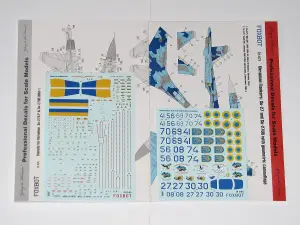
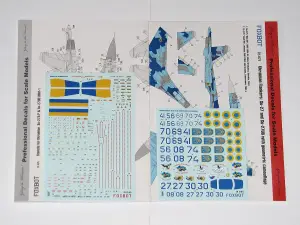
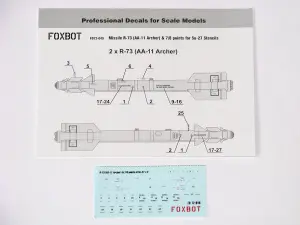
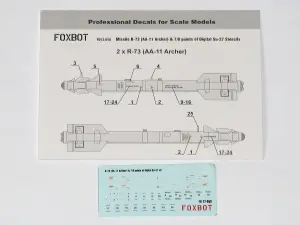
Decals 72-049 - Soviet Missile R-73 (AA-11 Archer) & 7/8 points for Su-27 Stencils
FOX72-049
$4.99
HADmodels
1/72
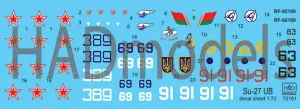
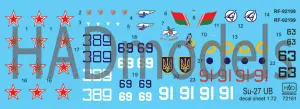
Had Models 72161 Decal For Su-27 Ub Ukrainian Air Force Accessories Kit
HAD-72161 Only 2 left
$16.99

HADmodels
1/72
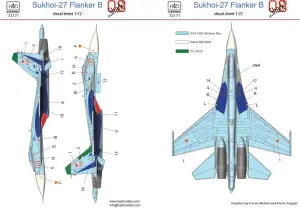
Had Models 72171 Decal For Su-27russian 08 Shark Accessories Kit
HAD-72171 Only 1 left
$16.99
HADmodels
1/72
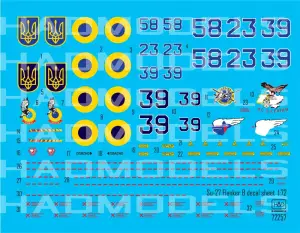
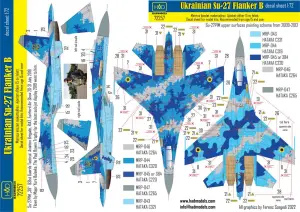
Had Models 72257 Decal For Ukrainian Su-27 P1m Flanker B Digital Camouflage
HAD-72257
$24.99
HADmodels
1/72
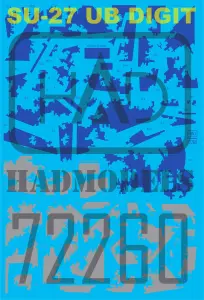
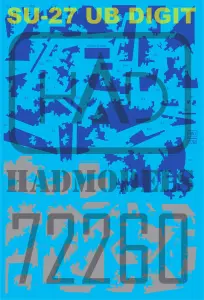
Had Models 72260 Decal For Su-27 Ub Ukrainian Digital Camouflage
HAD-72260 Only 1 left
$29.99
Foxbot
1/72
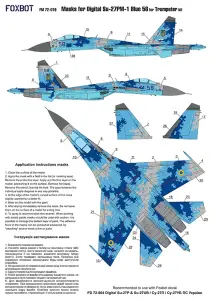
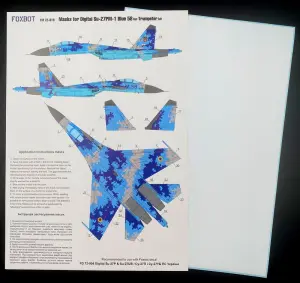
Digital Camouflage Masks For Su27 Blue 58 Air Force Ukraine For Model Trumpeter
FOXFM72-019
$5.99
HADmodels
1/72
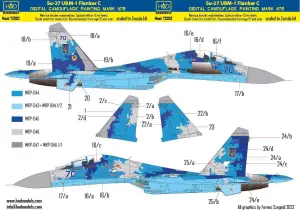
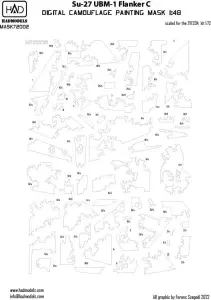
Had Models M72002 Painting Mask For Su-27 Ubm-1 Ukrainian Digital Camouflage
HAD-Mask72002 Only 1 left
$13.99
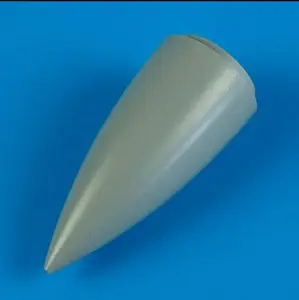
Quickboost
1/72
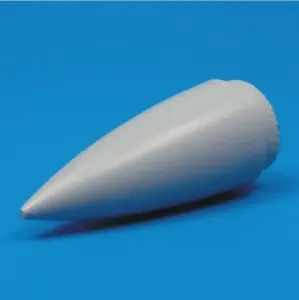
Su-27 Flanker B Correct Nose For Trumpeter Accessories Kit
QB72383 Only 1 left
$7.99
HADmodels
1/72
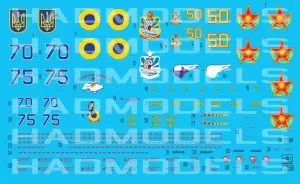
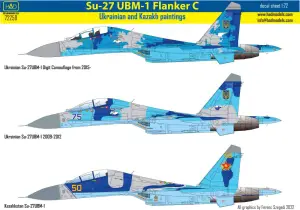
Had Models 72258 Decal For Su-27 Ub Ukrainian And Kazakh
HAD-72258 Only 2 left
$24.99
People also bought 12
 Discontinued
Similar products 24
 Discontinued
Dan Models
1/72
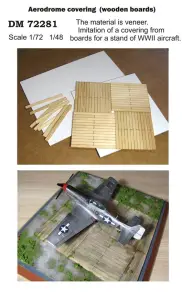
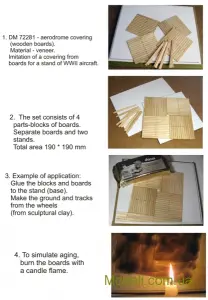
Imitation OF A Covering from Boards for A Stand OF WWII Aircraft
DAN72281 Only 1 left
$10.99
 Hot
 Hot
 New
 Hot
 Hot
 Discontinued

$10.99