
 Black Friday−18%
4d 11h
Black Friday−20%
마우스를 올리면 확대됩니다 · 클릭하여 확대
- 미국 관세 납부 완료 도착 시 추가 관세 없음
- 무료 배송 대량 주문 시
- 무료 반품 반품 수수료 없음
- 신뢰할 수 있는 판매자 eBay 리뷰 35,000개 이상
최근 항공기에서 구매
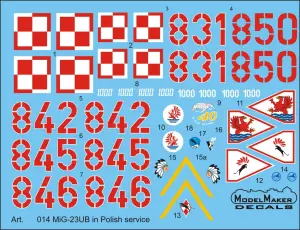
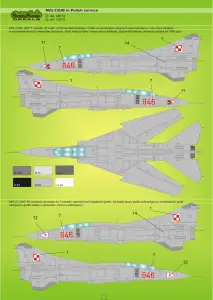
Mikoyan MiG-23UB training aircraft Art Models
$27.99
$34.99
Black Friday−20%
블랙프라이데이 가격 종료까지
00d 00:00:00
받기 $1.39 적립금으로 다시 사용 가능
이 상품을 구매하면 적립됩니다 139 포인트 — 입니다 $1.39 다음 주문 시 할인.
구매 후 계정에 포인트가 적립됩니다. 100포인트 = $1. 회원 고객에게 제공됩니다.
적립금 이용 안내 →품절 — 재입고되면 이메일로 알려 드립니다
- 미국 관세 납부 완료 도착 시 추가 관세 없음
- 무료 배송 대량 주문 시
- 무료 반품 반품 수수료 없음
- 신뢰할 수 있는 판매자 eBay 리뷰 35,000개 이상
최근 항공기에서 구매
미국 · 송장번호 포함 항공 우편 · 배송 약 14일. 위 배송 상자에서 국가를 변경하세요.
| 박스 무게(상품) | 가격 |
|---|---|
| 0.00 lb – 0.49 lb | $8.90 |
| 0.49 lb – 0.97 lb | $12.99 |
| 0.97 lb – 1.94 lb | $19.99 |
| 1.94 lb – 220.46 lb | $22.99 |
| $150.00 이상 주문 | 무료 |
이 상품의 무게는 0.55 lb입니다.
아직 이 상품에 대한 리뷰가 없습니다.
이 키트용 액세서리 24
프로토타입 일치 (MiG-23UB)
Black Friday−18%
4d 11h
 Black Friday−15%
4d 11h
인기
 Black Friday−15%
4d 11h
 Black Friday−15%
4d 11h
 Black Friday−15%
4d 11h
 Black Friday−15%
4d 11h
 Black Friday−15%
4d 11h
 Black Friday−20%
4d 11h
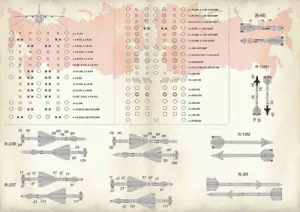
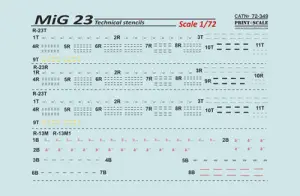
Print Scale Decals
1/72
MiG-23 technikal stensils, set 1,5 sheets, wet decal
PRS72-349
$16.79 $20.99
 Black Friday−20%
4d 11h
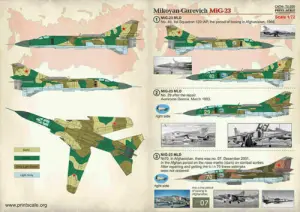
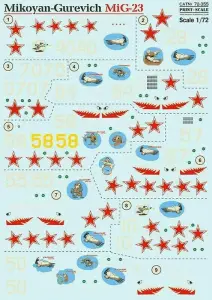
Print Scale Decals
1/72
NEW Mikoyan-Gurevich MiG-23, Aircraft wet decal model
PRS72-355
$16.79 $20.99
 Black Friday−20%
4d 11h
단종
 Black Friday−15%
4d 11h
 Black Friday−15%
4d 11h
 Black Friday−15%
4d 11h
 Black Friday−15%
4d 11h
 Black Friday−15%
4d 11h
 Black Friday−15%
4d 11h
 Black Friday−20%
4d 11h
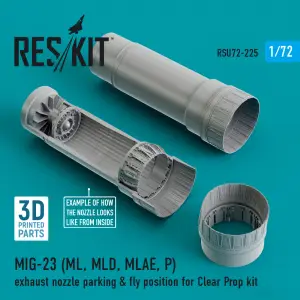
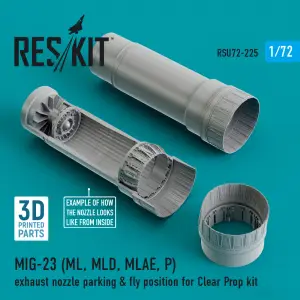
Reskit
1/72
Mig-23 Ml Mld Mlae P Exhaust Nozzle Parking Fly Position For Clear Prop Kit 3d Printing
RSU72-0225
$11.19 $13.99
 Black Friday−18%
4d 11h
 Black Friday−18%
4d 11h
 Black Friday−15%
4d 11h
 Black Friday−15%
4d 11h
Clear Prop
1/72
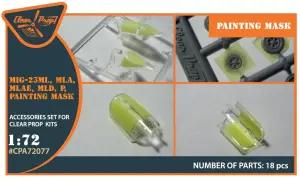
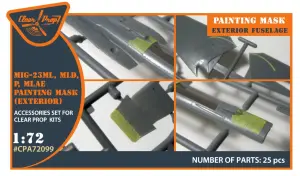
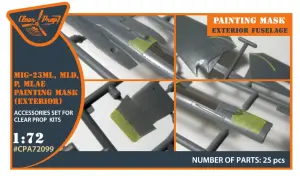
Mig 23ml Mld P Mlae Exterior Painting Mask On Yellow Kabuki Paper For Cp Kits
CPA72099
$5.94 $6.99
 Black Friday−20%
4d 11h
 Black Friday−18%
4d 11h
단종
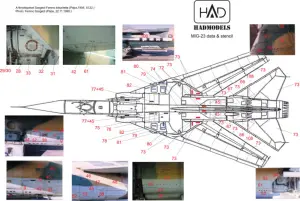
HADmodels
1/72
Had Models 72072 Decal For Mig-23 Hun Stencil Accessories Kit
HAD-72072 1개 남음
$9.83 $11.99
 Black Friday−15%
4d 11h
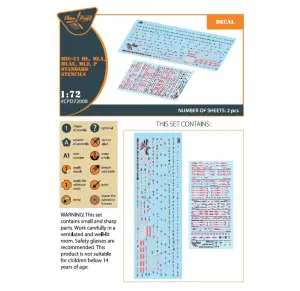
Clear Prop
1/72
Mig 23ml Mla Mld P Mlae Standard Stencils For Cp Kits And Other
CPD72008
$10.19 $11.99
함께 구매한 상품 12
 Black Friday−20%
4d 11h
 Black Friday−20%
4d 11h
 Black Friday−20%
4d 11h
 Black Friday−20%
4d 11h
인기
 Black Friday−20%
4d 11h
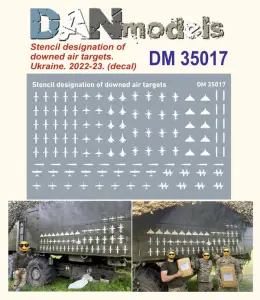
Dan Models
1/35
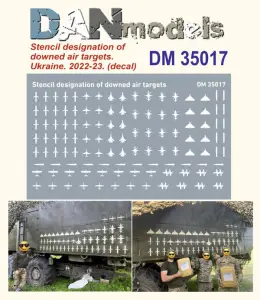
Decal Stencil Designation Of Downed Air Targets Ukraine 2022 2023
DAN35017
$10.39 $12.99
Black Friday−15%
4d 11h
인기
 Black Friday−15%
4d 11h
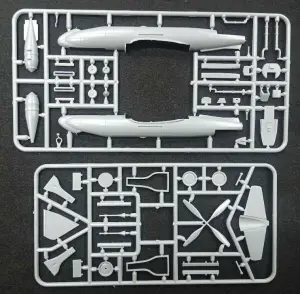
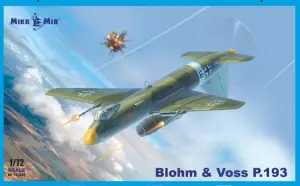
Mikro Mir
1/72
Blohm Und Voss P 193 Bv-193 Attack Aircraft Luft-46 Plastic Model Kit
MM72-033
$22.09 $25.99
 Black Friday−20%
4d 11h
 Black Friday−15%
4d 11h
 Black Friday−15%
4d 11h
Black Friday−20%
4d 11h
단종
 Black Friday−15%
4d 11h
Sova models
1/72
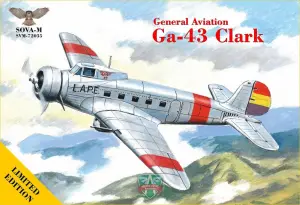
Sova Model 72035 - GA-43 Clark airliner in LAPE service scale model
SVM72035 1개 남음
$33.99 $39.99
비슷한 상품 24
Black Friday−20%
4d 11h
 Black Friday−20%
4d 11h
 Black Friday−20%
4d 11h
 Black Friday−20%
4d 11h
 Black Friday−20%
4d 11h
 Black Friday−20%
4d 11h
 Black Friday−20%
4d 11h
인기
 Black Friday−20%
4d 11h
 Black Friday−15%
4d 11h
 Black Friday−15%
4d 11h
신상품
 Black Friday−15%
4d 11h
 Black Friday−15%
4d 11h
Modelsvit
1/72
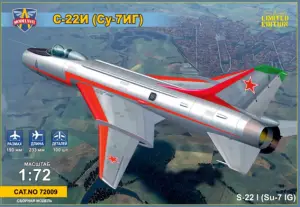
Sukhoi Su-22I (Su-7IG) Su-7BM with variable geometry wings
MSVIT72009 1개 남음
$29.74 $34.99
 Black Friday−15%
4d 11h
 Black Friday−15%
4d 11h
 Black Friday−15%
4d 11h

Sova models
1/72
Sova Model SM72003 - N.Grumman Fireberd UAV scale model kit, Length 143 mm
SVM72003 1개 남음
$29.74 $34.99
 Black Friday−15%
4d 11h
인기
 Black Friday−15%
4d 11h
인기
AMP
1/72
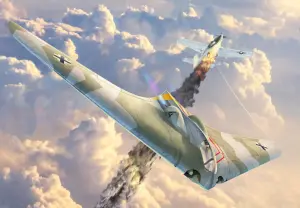
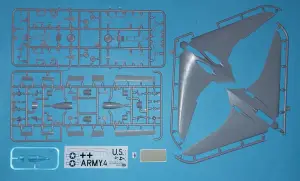
Early Horten H IX V1 project with 2 BMW 003 jet engines plastic model
AMP72-017
$29.74 $34.99
 Black Friday−15%
4d 11h
인기
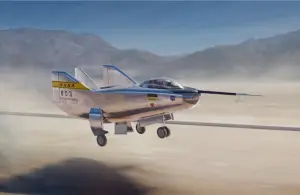 Black Friday−15%
4d 11h
인기
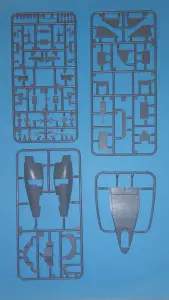
 Black Friday−15%
4d 11h

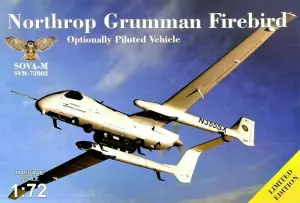
Sova models
1/72
Sova Model SM72001 N.Grumman Fireberd OPV-1 scale model kit Length 145 mm
SVM72001 2개 남음
$29.74 $34.99
 Black Friday−15%
4d 11h
 Black Friday−15%
4d 11h
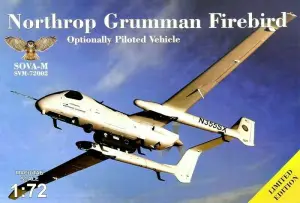
Sova models
1/72
Sova Model SM72002 - N.Grumman Fireberd OPV-2 scale model kit Length 143 mm
SVM72002 1개 남음
$29.74 $34.99
 Black Friday−15%
4d 11h
 Black Friday−15%
4d 11h
최근 본 상품 16
 Black Friday−18%
4d 11h
 Black Friday−20%
4d 11h
 Black Friday−18%
4d 11h
 Black Friday−18%
4d 11h
 Black Friday−18%
4d 11h
 Black Friday−20%
4d 11h
 Black Friday−15%
4d 11h
인기
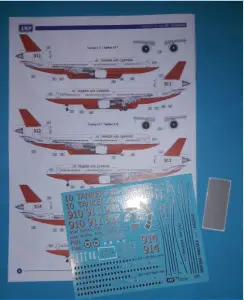
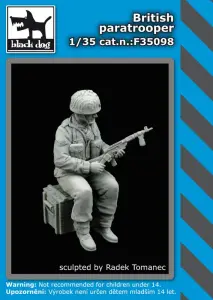 Black Friday−18%
4d 11h
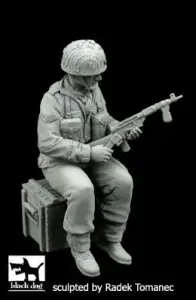
 Black Friday−18%
4d 11h
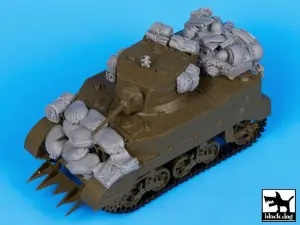 Black Friday−18%
4d 11h
인기
 Black Friday−20%
4d 11h
인기
 Black Friday−30%
4d 11h
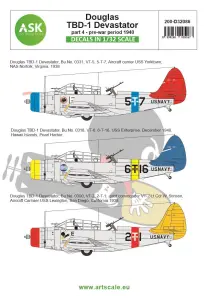
ASK - Art Scale Kit
1/32
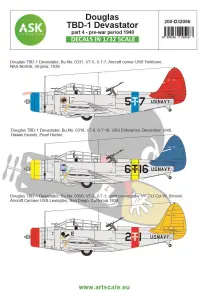
Ask D32086 Douglas Tbd-1 Devastator Part 4 - Pre-war Period 1940 Decal
200-D32086 1개 남음
$18.19 $25.99
 Black Friday−18%
4d 11h
 Black Friday−18%
4d 11h
 Black Friday−15%
4d 11h
 Black Friday−20%
4d 11h