


 Black Friday−15%
4d 12h
인기
Black Friday−20%
마우스를 올리면 확대됩니다 · 클릭하여 확대
- 미국 관세 납부 완료 도착 시 추가 관세 없음
- 무료 배송 대량 주문 시
- 무료 반품 반품 수수료 없음
- 신뢰할 수 있는 판매자 eBay 리뷰 35,000개 이상
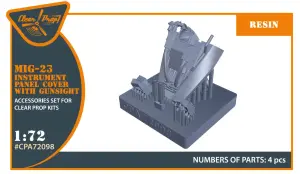
Mikoyan MiG-23PD Art Models
$22.39
$27.99
Black Friday−20%
블랙프라이데이 가격 종료까지
00d 00:00:00
받기 $1.11 적립금으로 다시 사용 가능
이 상품을 구매하면 적립됩니다 111 points — 입니다 $1.11 다음 주문 시 할인.
구매 후 계정에 포인트가 적립됩니다. 100포인트 = $1. 회원 고객에게 제공됩니다.
적립금 이용 안내 →
또는 바로 구매
0.07 lb free in this 0.49 lb box — add more items, shipping stays $8.90.
$150.00 무료 배송까지
- 미국 관세 납부 완료 도착 시 추가 관세 없음
- 무료 배송 대량 주문 시
- 무료 반품 반품 수수료 없음
- 신뢰할 수 있는 판매자 eBay 리뷰 35,000개 이상
미국 · Airmail with tracking · delivery ~14 days. 위 배송 상자에서 국가를 변경하세요.
| 박스 무게(상품) | 가격 |
|---|---|
| 0.00 lb – 0.49 lb | $8.90 |
| 0.49 lb – 0.97 lb | $12.99 |
| 0.97 lb – 1.94 lb | $19.99 |
| 1.94 lb – 220.46 lb | $22.99 |
| $150.00 이상 주문 | 무료 |
이 상품의 무게는 0.42 lb입니다.
아직 이 상품에 대한 리뷰가 없습니다.
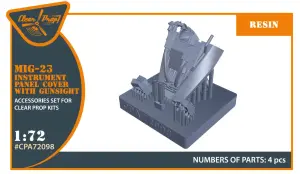
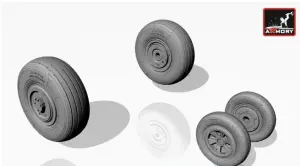
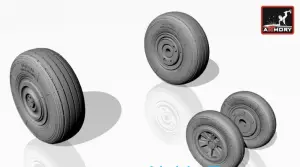
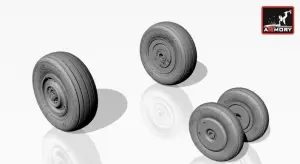
Accessories for this kit 24
프로토타입 일치 (MiG-23PD)
Black Friday−15%
4d 12h
인기
 Black Friday−15%
4d 12h
 Black Friday−15%
4d 12h

 Black Friday−15%
4d 12h
 Black Friday−15%
4d 12h
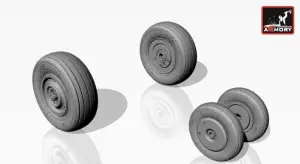 Black Friday−15%
4d 12h
 Black Friday−20%
4d 12h
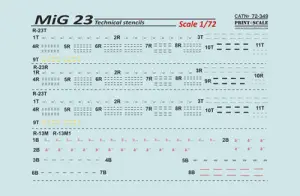
Print Scale Decals
1/72
MiG-23 technikal stensils, set 1,5 sheets, wet decal
PRS72-349
$16.79 $20.99
 Black Friday−20%
4d 12h
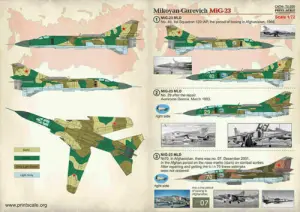
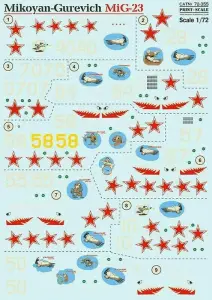
Print Scale Decals
1/72
NEW Mikoyan-Gurevich MiG-23, Aircraft wet decal model
PRS72-355
$16.79 $20.99
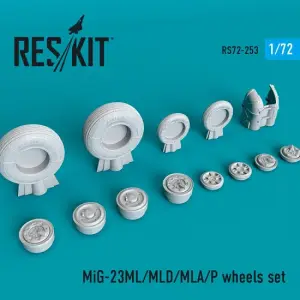 Black Friday−20%
4d 12h
단종
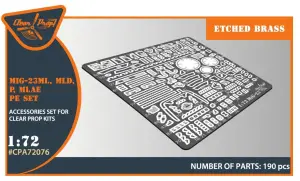 Black Friday−15%
4d 12h
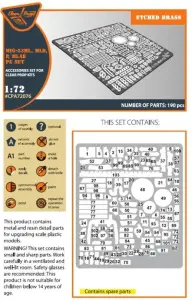
 Black Friday−15%
4d 12h
 Black Friday−15%
4d 12h
 Black Friday−15%
4d 12h
 Black Friday−15%
4d 12h
 Black Friday−15%
4d 12h
 Black Friday−20%
4d 12h
Reskit
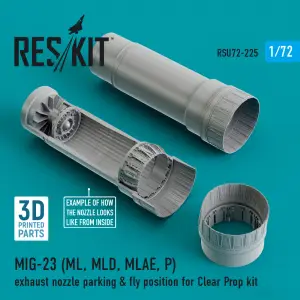
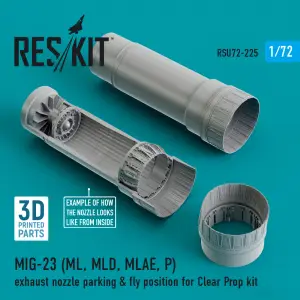
1/72
Mig-23 Ml Mld Mlae P Exhaust Nozzle Parking Fly Position For Clear Prop Kit 3d Printing
RSU72-0225
$11.19 $13.99
 Black Friday−18%
4d 12h
 Black Friday−18%
4d 12h
 Black Friday−15%
4d 12h
 Black Friday−15%
4d 12h
Clear Prop
1/72
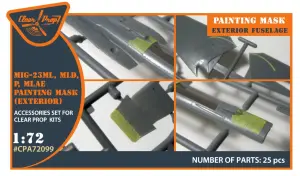
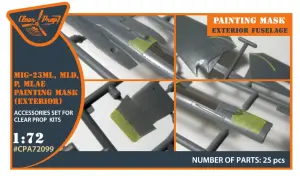
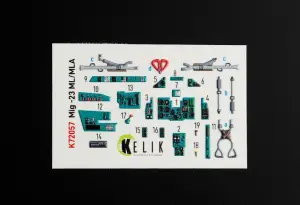
Mig 23ml Mld P Mlae Exterior Painting Mask On Yellow Kabuki Paper For Cp Kits
CPA72099
$5.94 $6.99
 Black Friday−20%
4d 12h
 Black Friday−18%
4d 12h
단종
HADmodels
1/72
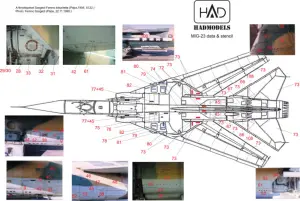
Had Models 72072 Decal For Mig-23 Hun Stencil Accessories Kit
HAD-72072 1개 남음
$9.83 $11.99
 Black Friday−15%
4d 12h
Clear Prop
1/72
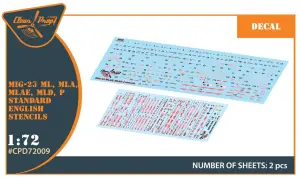
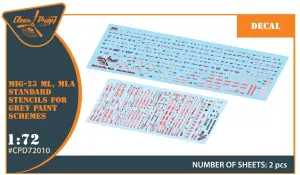
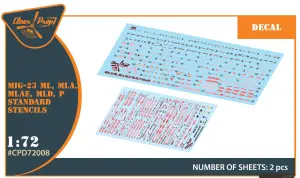
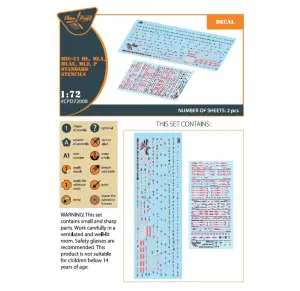
Mig 23ml Mla Mld P Mlae Standard Stencils For Cp Kits And Other
CPD72008
$10.19 $11.99
 Black Friday−20%
4d 12h
함께 구매한 상품 12
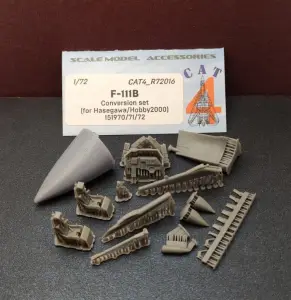 Black Friday−20%
4d 12h
인기
 Black Friday−15%
4d 12h
인기

 Black Friday−15%
4d 12h
인기
 Black Friday−15%
4d 12h
인기
 Black Friday−15%
4d 12h
 Black Friday−20%
4d 12h
인기
Reskit
1/48
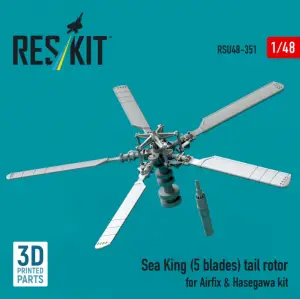
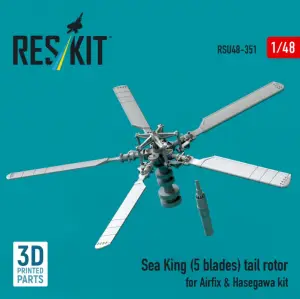
Sea King 5 Blades Tail Rotor For Airfix Hasegawa Kit 3d Printed
RSU48-0351
$11.99 $14.99
 Black Friday−20%
4d 12h
인기

 Black Friday−20%
4d 12h

 Black Friday−15%
4d 12h
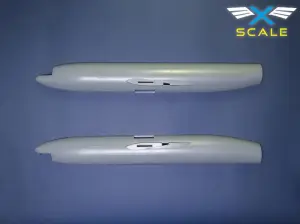
 Black Friday−18%
4d 12h
인기

Rise144 Models
1/144
Mk 16a Ejection Seat Eurofighter 2x Seats For Revell Kit
RM095 1개 남음
$4.09 $4.99
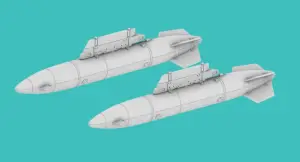 Black Friday−18%
4d 12h
인기
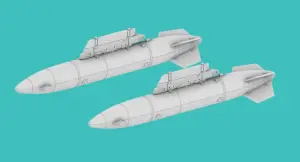
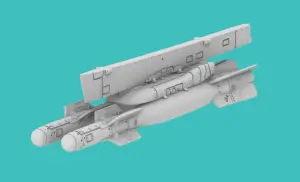 Black Friday−18%
4d 12h
인기
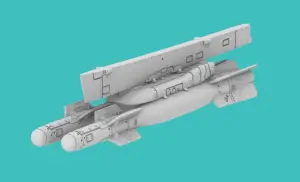
Rise144 Models
1/72
Auf-2 Twin Bomb Rack With Center Pylon With 2x Gbu-22 For Mirage 2000/Mirage F1
RM72025 1개 남음
$9.83 $11.99
비슷한 상품 24
 Black Friday−20%
4d 12h
 Black Friday−20%
4d 12h
 Black Friday−20%
4d 12h
 Black Friday−20%
4d 12h
인기
 Black Friday−20%
4d 12h
 Black Friday−20%
4d 12h
 Black Friday−20%
4d 12h
 Black Friday−15%
4d 12h
 Black Friday−15%
4d 12h
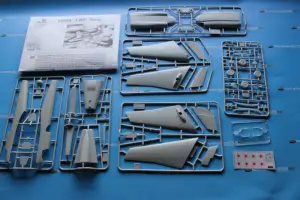
Amodel
1/72
IL-40 Brawny Soviet jet-engined armored aircraft 2nd prototype
AMO72213 1개 남음
$23.79 $27.99
 Black Friday−20%
4d 12h
 Black Friday−20%
4d 12h
 Black Friday−15%
4d 12h
신상품
 Black Friday−15%
4d 12h
 Black Friday−15%
4d 12h
 Black Friday−15%
4d 12h
 Black Friday−15%
4d 12h
인기
 Black Friday−15%
4d 12h
 Black Friday−18%
4d 12h

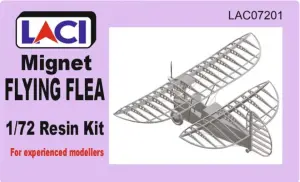
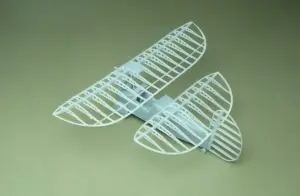
Laci
1/72
Mignet Flying Flea G-aeeh Pou-du-ciel French Homebuilt Aircraft
LAC730002 1개 남음
$22.95 $27.99
 Black Friday−15%
4d 12h
 Black Friday−15%
4d 12h

 Black Friday−15%
4d 12h

 Black Friday−15%
4d 12h

 Black Friday−18%
4d 12h
 Black Friday−15%
4d 12h
최근 본 상품 16
 Black Friday−18%
4d 12h
 Black Friday−18%
4d 12h

 Black Friday−20%
4d 12h
인기

 Black Friday−18%
4d 12h
 Black Friday−18%
4d 12h
 Black Friday−20%
4d 12h
 Black Friday−18%
4d 12h
 Black Friday−15%
4d 12h

 Black Friday−18%
4d 12h
 Black Friday−20%
4d 12h
단종
 Black Friday−18%
4d 12h
 Black Friday−18%
4d 12h
Black Friday−20%
4d 12h
 Black Friday−20%
4d 12h
 Black Friday−15%
4d 12h
 Black Friday−20%
4d 12h
인기
$22.39
$27.99