

 Black Friday−20%
4d 12h
Black Friday−20%
마우스를 올리면 확대됩니다 · 클릭하여 확대
- 미국 관세 납부 완료 도착 시 추가 관세 없음
- 무료 배송 대량 주문 시
- 무료 반품 반품 수수료 없음
- 신뢰할 수 있는 판매자 eBay 리뷰 35,000개 이상
Sukhoi Su-25UTG Art Models
$29.59
$36.99
Black Friday−20%
블랙프라이데이 가격 종료까지
00d 00:00:00
받기 $1.47 적립금으로 다시 사용 가능
이 상품을 구매하면 적립됩니다 147 points — 입니다 $1.47 다음 주문 시 할인.
구매 후 계정에 포인트가 적립됩니다. 100포인트 = $1. 회원 고객에게 제공됩니다.
적립금 이용 안내 →
또는 바로 구매
0.38 lb free in this 0.97 lb box — add more items, shipping stays $12.99.
$150.00 무료 배송까지
- 미국 관세 납부 완료 도착 시 추가 관세 없음
- 무료 배송 대량 주문 시
- 무료 반품 반품 수수료 없음
- 신뢰할 수 있는 판매자 eBay 리뷰 35,000개 이상
미국 · Airmail with tracking · delivery ~14 days. 위 배송 상자에서 국가를 변경하세요.
| 박스 무게(상품) | 가격 |
|---|---|
| 0.00 lb – 0.49 lb | $8.90 |
| 0.49 lb – 0.97 lb | $12.99 |
| 0.97 lb – 1.94 lb | $19.99 |
| 1.94 lb – 220.46 lb | $22.99 |
| $150.00 이상 주문 | 무료 |
이 상품의 무게는 0.59 lb입니다.
아직 이 상품에 대한 리뷰가 없습니다.
Accessories for this kit 24
프로토타입 일치 (Su-25)
Black Friday−20%
4d 12h
 Black Friday−20%
4d 12h
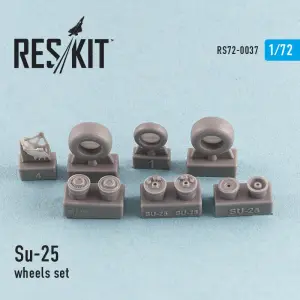 Black Friday−20%
4d 12h
단종
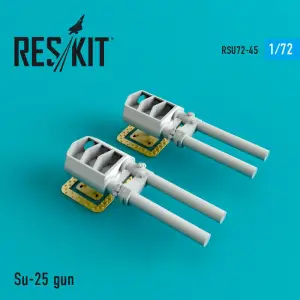 Black Friday−20%
4d 12h
단종
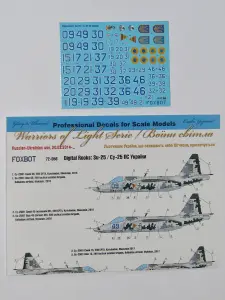 Black Friday−20%
4d 12h
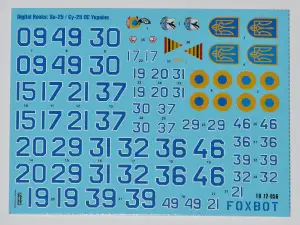
 Black Friday−20%
4d 12h
 Black Friday−20%
4d 12h
 Black Friday−20%
4d 12h
 Black Friday−20%
4d 12h
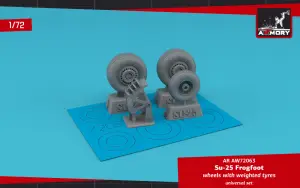 Black Friday−15%
4d 12h
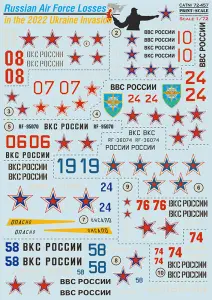 Black Friday−20%
4d 12h

 Black Friday−18%
4d 12h
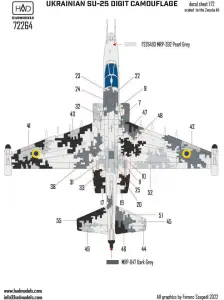
HADmodels
1/72
Had Models 72264 Decal For Su-25 Ukrainian Digit Camouflage Part1
HAD-72264 2개 남음
$20.49 $24.99
 Black Friday−18%
4d 12h

HADmodels
1/72
Had Models 72265 Decal For Su-25 Ukrainian Digit Camouflage Part 2
HAD-72265 1개 남음
$20.49 $24.99
 Black Friday−18%
4d 12h
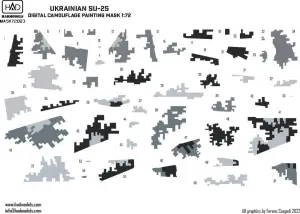
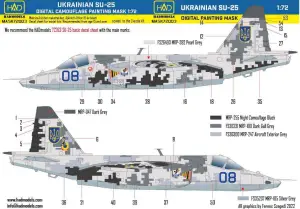
HADmodels
1/72
Had Models M72003 Painting Mask For Su-25 Ukrainian Digital Camouflage
HAD-Mask72003 1개 남음
$11.47 $13.99
 Black Friday−20%
4d 12h
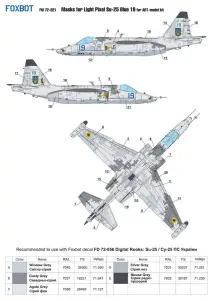
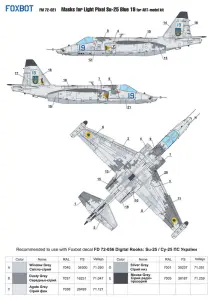
Foxbot
1/72
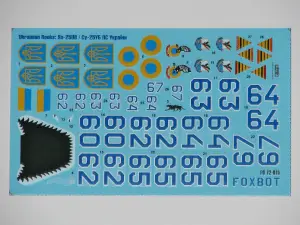
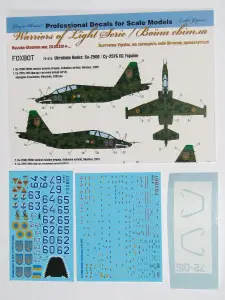
Masks For Sukhoi Su 25 Blue 19 Ukranian Air Forces Light Pixel Camouflage For Art Model Kit
FOXFM72-021
$5.59 $6.99
 Black Friday−20%
4d 12h
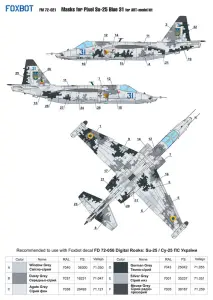
Foxbot
1/72
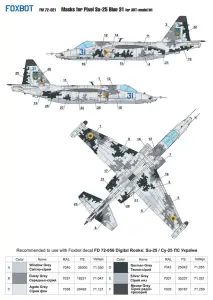
Masks For Sukhoi Su25 Blue 31 Ukranian Air Forces Pixel Camouflage For Art Model Kit
FOXFM72-022
$5.59 $6.99
 Black Friday−18%
4d 12h
 Black Friday−20%
4d 12h
 Black Friday−20%
4d 12h
 Black Friday−20%
4d 12h
 Black Friday−20%
4d 12h
Foxbot
1/72
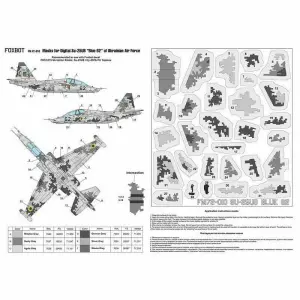
Decal for Digital Masks for Su-25UB Blue 62, Ukranian Air Forces, digital camouflage (Use + Foxbot Decal)
FOXFM72-010
$5.59 $6.99
 Black Friday−20%
4d 12h
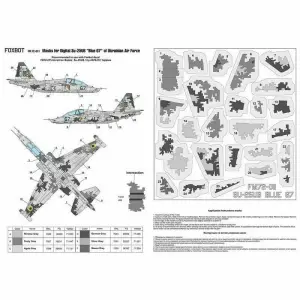
Foxbot
1/72
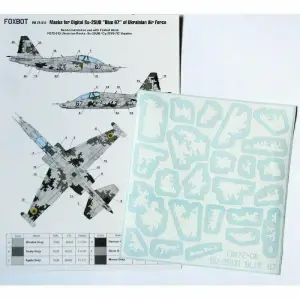
Decal for Digital Masks for Su-25UB Blue 67, Ukranian Air Forces, digital camouflage (Use + Foxbot Decal)
FOXFM72-011
$5.59 $6.99
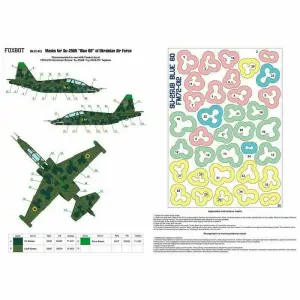 Black Friday−20%
4d 12h
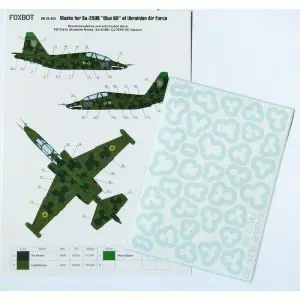
Foxbot
1/72
Decal for Masks for Su-25UB Blue 60, Ukranian Air Forces, clover camouflage (Use + Foxbot Decal)
FOXFM72-012
$5.59 $6.99
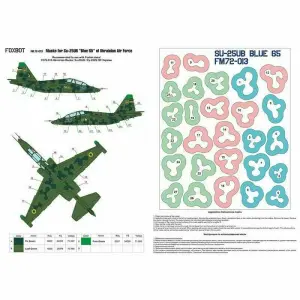 Black Friday−20%
4d 12h
Foxbot
1/72
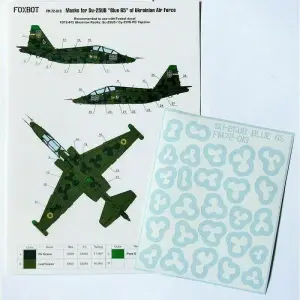
Decal for Masks for Su-25UB Blue 65, Ukranian Air Forces, clover camouflage (Use + Foxbot Decal)
FOXFM72-013
$5.59 $6.99
함께 구매한 상품 12
 Black Friday−20%
4d 12h
인기
단종

 Black Friday−15%
4d 12h
 Black Friday−20%
4d 12h
 Black Friday−20%
4d 12h
단종
 Black Friday−30%
4d 12h
Black Friday−20%
4d 12h
Black Friday−20%
4d 12h
 Black Friday−20%
4d 12h
 Black Friday−20%
4d 12h
 Black Friday−18%
4d 12h
인기
SBS Model
1/72
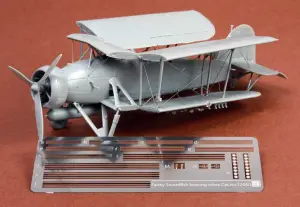
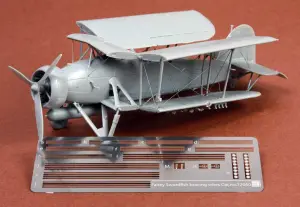
Fairey Swordfish Rigging Wire Set For Airfix Kit Photo-etched
SBS-72050 1개 남음
$8.19 $9.99
 Black Friday−15%
4d 12h
인기
 Black Friday−20%
4d 12h
인기

Master Box
1/72
Mk I Male British Tank Special Modification For The Gaza Strip
MB72003
$11.19 $13.99
비슷한 상품 24
 Black Friday−20%
4d 12h
 Black Friday−20%
4d 12h
 Black Friday−20%
4d 12h
 Black Friday−20%
4d 12h
 Black Friday−20%
4d 12h
 Black Friday−20%
4d 12h
 Black Friday−20%
4d 12h
인기
 Black Friday−15%
4d 12h
인기

 Black Friday−15%
4d 12h
 Black Friday−15%
4d 12h
 Black Friday−15%
4d 12h

 Black Friday−15%
4d 12h
 Black Friday−15%
4d 12h
신상품
인기
 Black Friday−15%
4d 12h
 Black Friday−15%
4d 12h
인기
 Black Friday−15%
4d 12h
 Black Friday−15%
4d 12h
 Black Friday−15%
4d 12h
 Black Friday−15%
4d 12h
인기
 Black Friday−15%
4d 12h
인기
 Black Friday−15%
4d 12h
 Black Friday−15%
4d 12h
 Black Friday−15%
4d 12h
Amodel
1/72
Light transport aircraft An-14 NATO code Clod scale model kit
AMO72224 1개 남음
$32.29 $37.99
 Black Friday−15%
4d 12h
최근 본 상품 16
 Black Friday−15%
4d 12h
 Black Friday−15%
4d 12h
 Black Friday−15%
4d 12h
 Black Friday−20%
4d 12h

 Black Friday−20%
4d 12h
 Black Friday−18%
4d 12h
 Black Friday−15%
4d 12h
 Black Friday−18%
4d 12h
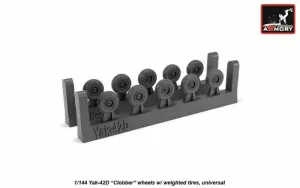 Black Friday−15%
4d 12h
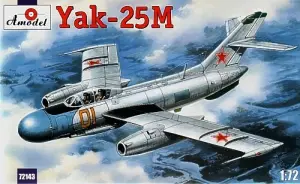 Black Friday−15%
4d 12h
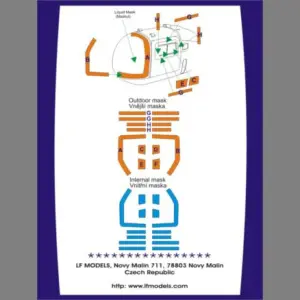 Black Friday−18%
4d 12h
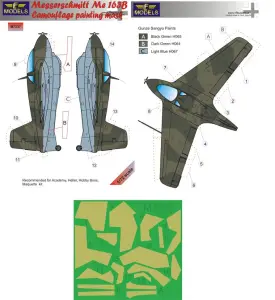 Black Friday−18%
4d 12h
 Black Friday−18%
4d 12h
 Black Friday−18%
4d 12h
 Black Friday−15%
4d 12h
 Black Friday−15%
4d 12h
$29.59
$36.99