
 Black Friday−20%
4d 11h
인기
Black Friday−20%
마우스를 올리면 확대됩니다 · 클릭하여 확대
- 미국 관세 납부 완료 도착 시 추가 관세 없음
- 무료 배송 대량 주문 시
- 무료 반품 반품 수수료 없음
- 신뢰할 수 있는 판매자 eBay 리뷰 35,000개 이상
최근 전차·군용 차량에서 구매
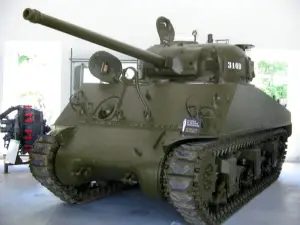
US M4(105) HVSS tank WWII
$14.39
$17.99
Black Friday−20%
블랙프라이데이 가격 종료까지
00d 00:00:00
받기 $0.71 적립금으로 다시 사용 가능
이 상품을 구매하면 적립됩니다 71 포인트 — 입니다 $0.71 다음 주문 시 할인.
구매 후 계정에 포인트가 적립됩니다. 100포인트 = $1. 회원 고객에게 제공됩니다.
적립금 이용 안내 →
또는 바로 구매
이 0.49 lb 박스에서 0.21 lb 무료 — 상품을 더 담아도 배송비는 $8.90로 동일합니다.
$150.00 무료 배송까지
- 미국 관세 납부 완료 도착 시 추가 관세 없음
- 무료 배송 대량 주문 시
- 무료 반품 반품 수수료 없음
- 신뢰할 수 있는 판매자 eBay 리뷰 35,000개 이상
최근 전차·군용 차량에서 구매
- 제조사
- UniModel (UM)
- 상품코드
- UM375
- 스케일
- 1/72
- 카테고리
- 전차·군용 차량 / 프라모델
- 유형
- 전차
- 재질
- 플라스틱
- 실물
- M4A3E8
- 무게
- 0.28 lb
- 추가된 날짜
- 04 3월 2014
미국 · 송장번호 포함 항공 우편 · 배송 약 14일. 위 배송 상자에서 국가를 변경하세요.
| 박스 무게(상품) | 가격 |
|---|---|
| 0.00 lb – 0.49 lb | $8.90 |
| 0.49 lb – 0.97 lb | $12.99 |
| 0.97 lb – 1.94 lb | $19.99 |
| 1.94 lb – 220.46 lb | $22.99 |
| $150.00 이상 주문 | 무료 |
이 상품의 무게는 0.28 lb입니다.
아직 이 상품에 대한 리뷰가 없습니다.
제작을 완성하세요 24
도료·용품
Black Friday−20%
4d 11h
인기
 Black Friday−30%
4d 11h
 Black Friday−15%
4d 11h
인기
 Black Friday−20%
4d 11h
인기
 Black Friday−15%
4d 11h
인기
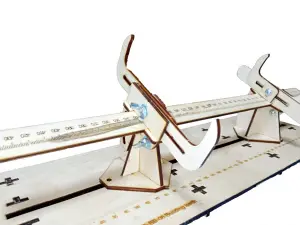
LMG
No scale
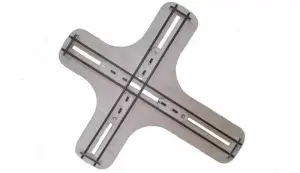
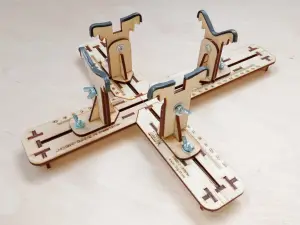
Ship model building kit, Laser Model Graving for building berths
LMG-BB-42
$14.44 $16.99
 Black Friday−15%
4d 11h
인기
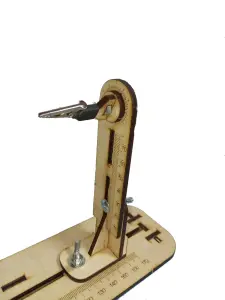
LMG
No scale
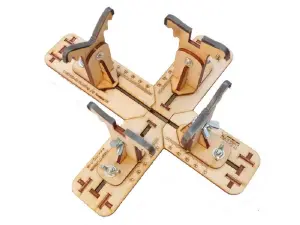
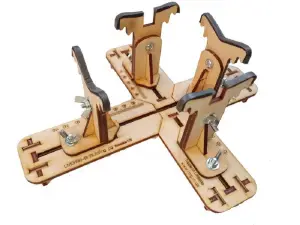
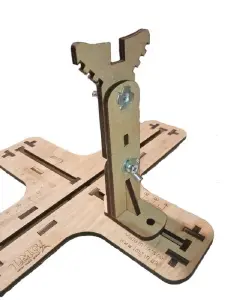
Clamp for model (universal), Laser Model Graving, BASE NOT INCLUDED
LMG-BB-38
$4.24 $4.99
 Black Friday−15%
4d 11h
인기
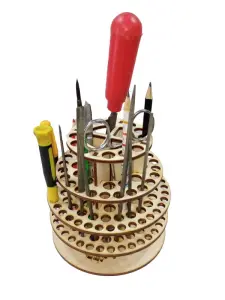
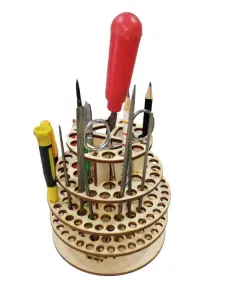
LMG
No scale
Rotating tool holder Laser Model Graving Dimensions 150 * 180 mm
LMG-WO-38
$11.04 $12.99
 Black Friday−20%
4d 11h
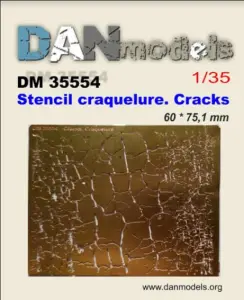
Dan Models
1/35
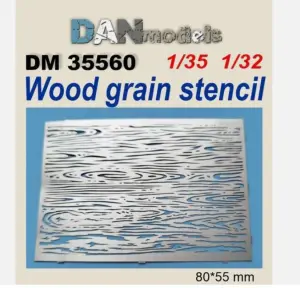
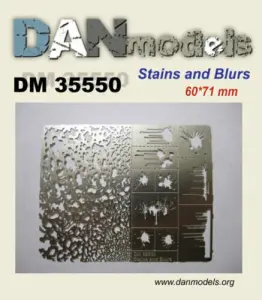
DM 35554 - Stencil. Cracks, craquelure. Size 60 75.1 mm, Accessories Scale kit
DAN35554
$8.79 $10.99
 Black Friday−20%
4d 11h
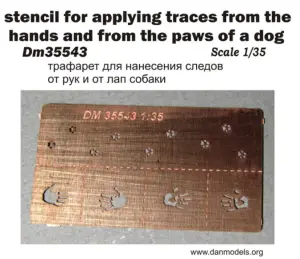
Dan Models
1/35
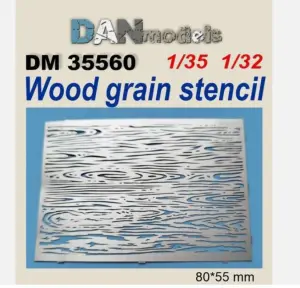
Stencil for Applying Traces from the Hands and from the Paws OF A Dog
DAN35543
$4.79 $5.99
 Black Friday−20%
4d 11h
 Black Friday−15%
4d 11h
 Black Friday−20%
4d 11h
인기
 Black Friday−15%
4d 11h
인기
 Black Friday−20%
4d 11h
인기
 Black Friday−20%
4d 11h
 Black Friday−20%
4d 11h
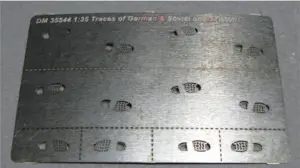
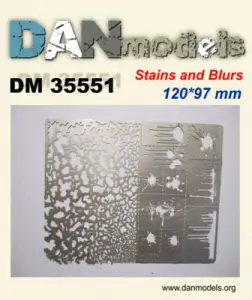 Black Friday−20%
4d 11h
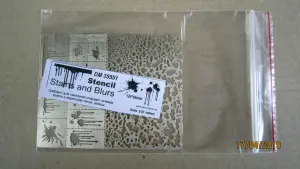
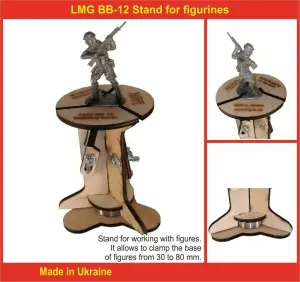 Black Friday−15%
4d 11h
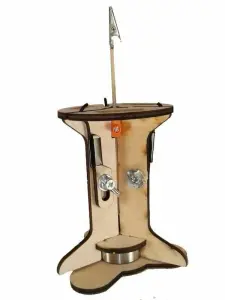
LMG
No scale
Stand for working with figures plastic model kit, Laser Model Graving
LMG-BB-12
$7.64 $8.99
 Black Friday−15%
4d 11h
 Black Friday−20%
4d 11h
 Black Friday−15%
4d 11h
LMG
No scale
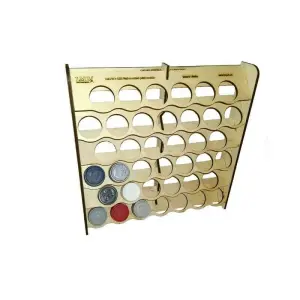
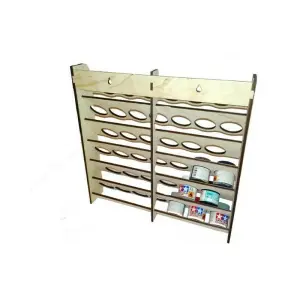
Wall Paint Stand, size 300x300x50 mm, shelf, Laser Model Graving
LMG-WO-1223
$21.24 $24.99
 Black Friday−20%
4d 11h
인기
Arcus Colors
No scale
Arcus 006 Enamel paint Transparent gloss varnish. Clear Flat 10ml
ARC-006
$1.59 $1.99
 Black Friday−20%
4d 11h
인기
Arcus Colors
No scale
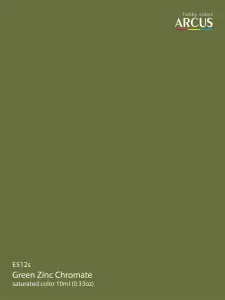
Arcus 512 Enamel paint USAF Green Zinc Chromate Saturated color 10ml
ARC-512
$1.59 $1.99
 Black Friday−15%
4d 11h
인기
LMG
No scale
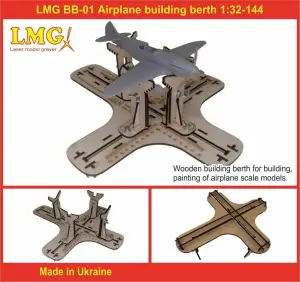
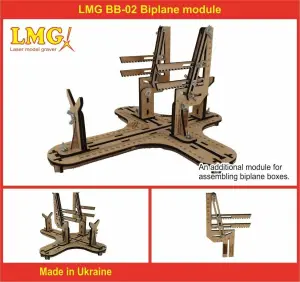
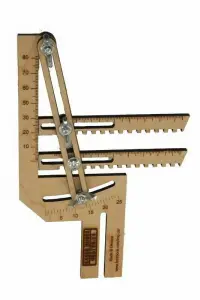
Biplane module (To the building berth LMG BB-01), Laser Model Graving
LMG-BB-02
$7.64 $8.99
함께 구매한 상품 12
 Black Friday−20%
4d 11h
인기
 Black Friday−20%
4d 11h
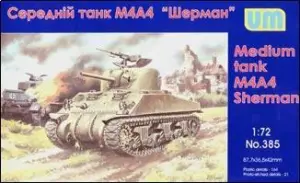 Black Friday−20%
4d 11h
 Black Friday−20%
4d 11h
인기
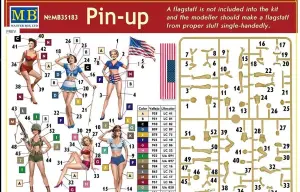
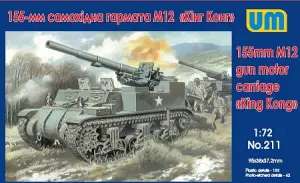 Black Friday−20%
4d 11h
 Black Friday−20%
4d 11h
 Black Friday−20%
4d 11h
 Black Friday−20%
4d 11h
인기
 Black Friday−20%
4d 11h
인기
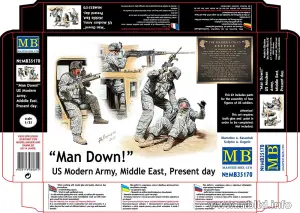
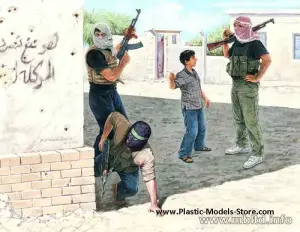 Black Friday−20%
4d 11h
인기
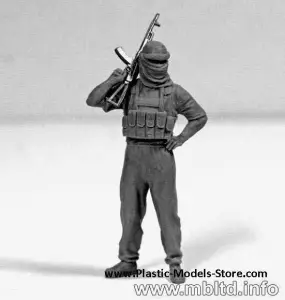
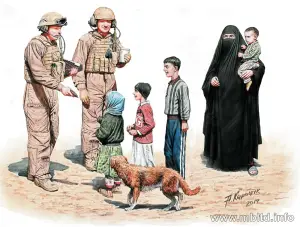 Black Friday−20%
4d 11h
인기
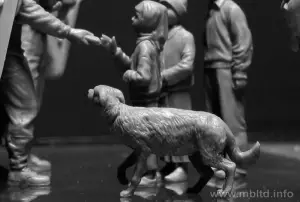
Master Box
1/35
Here is Snickers, help yourself, please! US soldiers with children 8 fig
MB35159
$11.99 $14.99
 Black Friday−20%
4d 11h
인기
비슷한 상품 24
 Black Friday−20%
4d 11h
 Black Friday−20%
4d 11h
 Black Friday−20%
4d 11h
 Black Friday−20%
4d 11h
UniModel (UM)
1/72
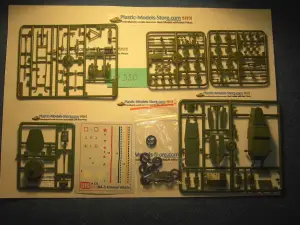
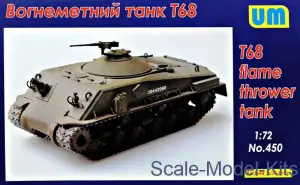
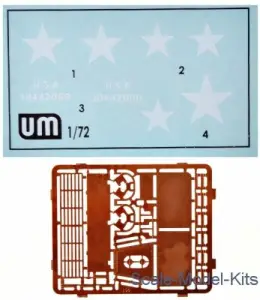
Unimodel 450 Soviet T68 Flame Thrower Tank Ww Ii Plastic Model Um 440
UM450
$14.39 $17.99
 Black Friday−20%
4d 11h
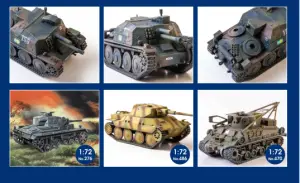
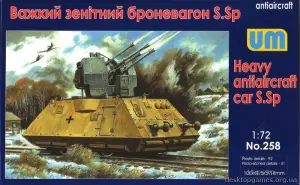 Black Friday−20%
4d 11h
인기
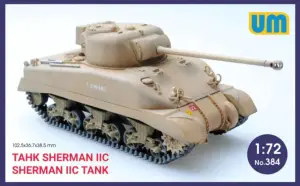 Black Friday−20%
4d 11h
 Black Friday−20%
4d 11h
 Black Friday−20%
4d 11h
 Black Friday−20%
4d 11h
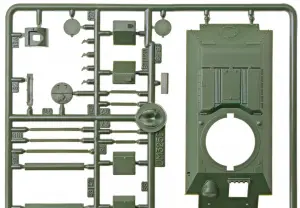
UniModel (UM)
1/72
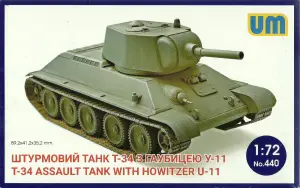
Unimodel 440 Soviet Tank T-34 With Howitzer U11 Wwii Plastic Model
UM440
$14.39 $17.99
 Black Friday−20%
4d 11h
 Black Friday−20%
4d 11h
UniModel (UM)
1/72
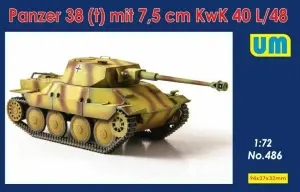
Unimodel 486 - German tank Panzer 38 (t) with a 7.5 cm KwK 40 l / 48 cannon
UM486
$14.39 $17.99
Black Friday−20%
4d 11h
 Black Friday−20%
4d 11h
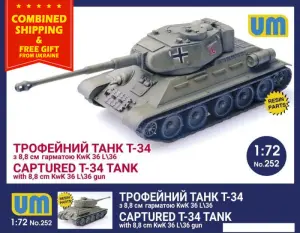
UniModel (UM)
1/72
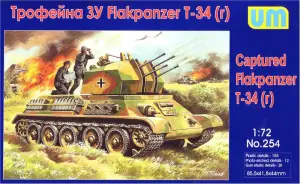
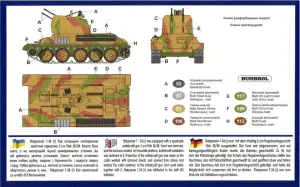
Trophy Tank T-34 with 88 MM Gun Kwk 36L/36 Unimodels 252 Plastic Model Kit
UM252
$14.39 $17.99
 Black Friday−20%
4d 11h
 Black Friday−20%
4d 11h
 Black Friday−20%
4d 11h
 Black Friday−20%
4d 11h
 Black Friday−20%
4d 11h
 Black Friday−20%
4d 11h
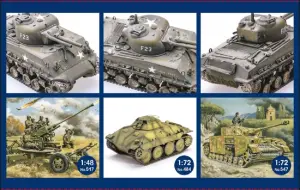
UniModel (UM)
1/72
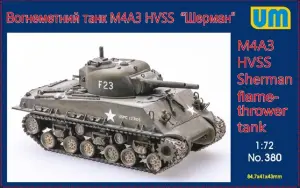
Unimodel UM380 - M4A3 HVSS flame thrower tank scale plastic model kit
UM380
$14.39 $17.99
Black Friday−20%
4d 11h
인기
 Black Friday−20%
4d 11h
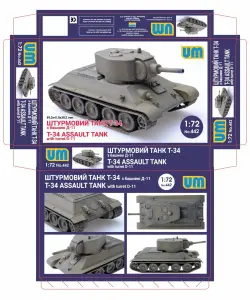
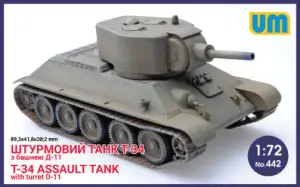
UniModel (UM)
1/72
Unimodel 442 - T-34 Assault Tank with Turret D-11 Plastic Model Kit
UM442
$14.39 $17.99
Black Friday−20%
4d 11h
 Black Friday−20%
4d 11h
인기
최근 본 상품 16
 Black Friday−18%
4d 11h
 Black Friday−20%
4d 11h
Dnepro Model
1/35
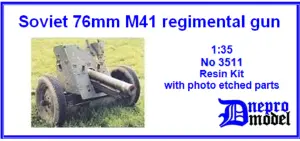
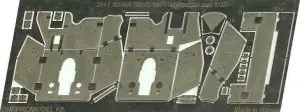
DM3511 - Soviet 76mm M41 regimental gun WWII scale model kit
Dn3511
$22.39 $27.99
재입고 알림 Black Friday−18%
4d 11h
 Black Friday−15%
4d 11h
 Black Friday−20%
4d 11h
Metallic Details
1/48
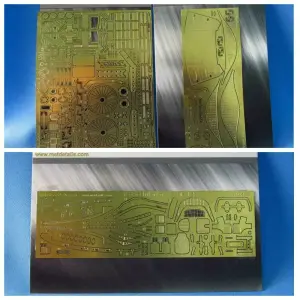
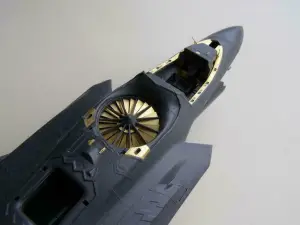
Bundle Metallic Details MD4835+MD4836 F-35B Exterior+Interior (Kitty Hawk)
MD4835+MD4836
$51.99 $64.99
 Black Friday−20%
4d 11h
 Black Friday−20%
4d 11h
 Black Friday−18%
4d 11h
 Black Friday−18%
4d 11h
ModelMaker
1/72
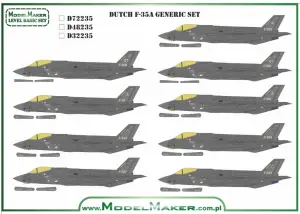
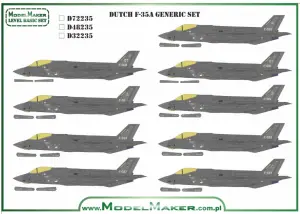
Model Maker D72235 Decal For Dutch F-35a - Generic Set
MMKR-D72235 1개 남음
$9.83 $11.99
 Black Friday−20%
4d 11h
 Black Friday−20%
4d 11h
 Black Friday−20%
4d 11h

 Black Friday−18%
4d 11h
 Black Friday−20%
4d 11h

 Black Friday−20%
4d 11h
 Black Friday−20%
4d 11h
Dnepro Model
1/35
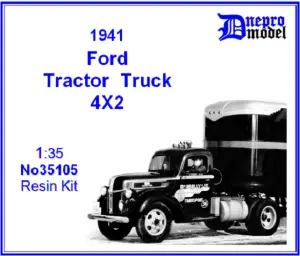
DM35105 – 1941 Ford Tractor truck 4x2, scale model kit
Dn35105 1개 남음
$60.79 $75.99
$14.39
$17.99