
 Black Friday−20%
4d 12h
Black Friday−20%
마우스를 올리면 확대됩니다 · 클릭하여 확대
- 미국 관세 납부 완료 도착 시 추가 관세 없음
- 무료 배송 대량 주문 시
- 무료 반품 반품 수수료 없음
- 신뢰할 수 있는 판매자 eBay 리뷰 35,000개 이상
최근 전차·군용 차량에서 구매
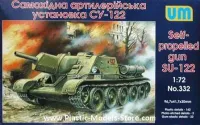
Captured Flakpanzer T-34(r) WWII
$14.39
$17.99
Black Friday−20%
블랙프라이데이 가격 종료까지
00d 00:00:00
받기 $0.71 적립금으로 다시 사용 가능
이 상품을 구매하면 적립됩니다 71 points — 입니다 $0.71 다음 주문 시 할인.
구매 후 계정에 포인트가 적립됩니다. 100포인트 = $1. 회원 고객에게 제공됩니다.
적립금 이용 안내 →
또는 바로 구매
0.22 lb free in this 0.49 lb box — add more items, shipping stays $8.90.
$150.00 무료 배송까지
- 미국 관세 납부 완료 도착 시 추가 관세 없음
- 무료 배송 대량 주문 시
- 무료 반품 반품 수수료 없음
- 신뢰할 수 있는 판매자 eBay 리뷰 35,000개 이상
최근 전차·군용 차량에서 구매
- 제조사
- UniModel (UM)
- 상품코드
- UM254
- 스케일
- 1/72
- 카테고리
- 전차·군용 차량 / 프라모델
- 유형
- AA System / Rocket launcher
- 재질
- 플라스틱
- 실물
- T-34
- 무게
- 0.26 lb
- 추가된 날짜
- 04 3월 2014
미국 · Airmail with tracking · delivery ~14 days. 위 배송 상자에서 국가를 변경하세요.
| 박스 무게(상품) | 가격 |
|---|---|
| 0.00 lb – 0.49 lb | $8.90 |
| 0.49 lb – 0.97 lb | $12.99 |
| 0.97 lb – 1.94 lb | $19.99 |
| 1.94 lb – 220.46 lb | $22.99 |
| $150.00 이상 주문 | 무료 |
이 상품의 무게는 0.26 lb입니다.
아직 이 상품에 대한 리뷰가 없습니다.
Accessories for this kit 24
프로토타입 일치 (T-34)
Black Friday−20%
4d 12h
 Black Friday−20%
4d 12h
Ace Models
1/72
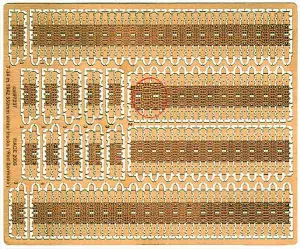
Photoetched winter tracks set for UM T-34 Red Sormovo 1942 series of kits
ACEpe7237 2개 남음
$8.79 $10.99
 Black Friday−20%
4d 12h
Ace Models
1/72
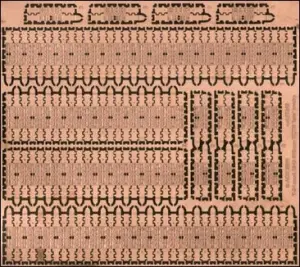
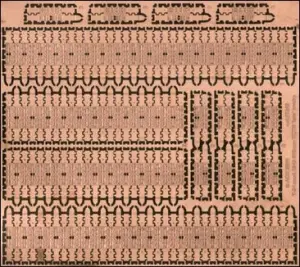
Photoetched tracks set for UM,Dragon, Revell SU-85, SU-100, T-34/85 (1943) kits
ACEPE7245 1개 남음
$8.79 $10.99
 Black Friday−20%
4d 12h
Ace Models
1/72
Photoetched tracks set for UM,Dragon, Revell T-34/85 (1945) kits
ACEPE7246 1개 남음
$8.79 $10.99
 Black Friday−15%
4d 12h
 Black Friday−18%
4d 12h
 Black Friday−20%
4d 12h
신상품
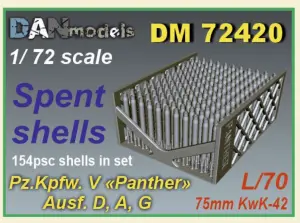
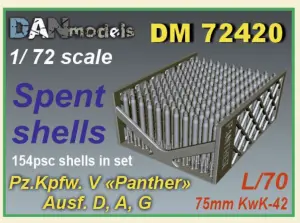
Dan Models
1/72
3d Printed Shells 85mm 180 Included D-5t T-34/85 Su-85 Kv-85 Is-i Zis-s-53
DAN72420
$4.79 $5.99
 Black Friday−20%
4d 12h
신상품
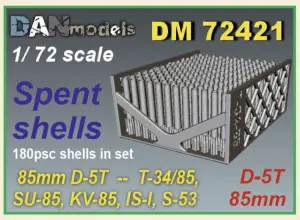
Dan Models
1/72
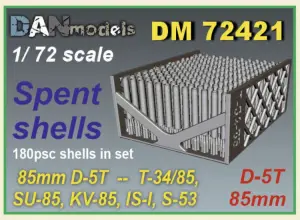
3d Printed Shells 85mm D-5t T-34/85 Su-85 Kv-85 Is-i S-53 154psc
DAN72421
$4.79 $5.99
 Black Friday−20%
4d 12h
신상품
 Black Friday−20%
4d 12h
인기
 Black Friday−30%
4d 12h
 Black Friday−15%
4d 12h
인기
 Black Friday−20%
4d 12h
인기
 Black Friday−15%
4d 12h
인기
LMG
No scale
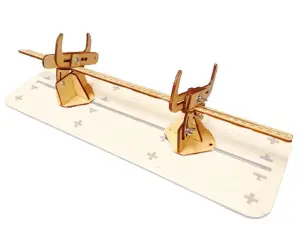
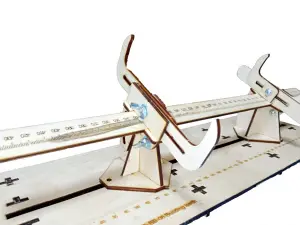
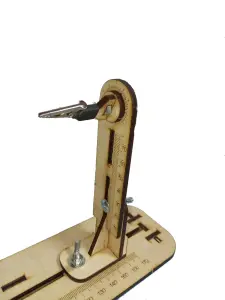
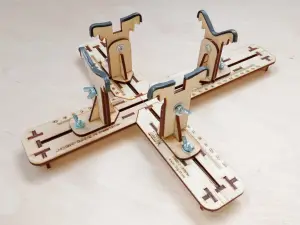
Ship model building kit, Laser Model Graving for building berths
LMG-BB-42
$14.44 $16.99
 Black Friday−15%
4d 12h
인기
LMG
No scale
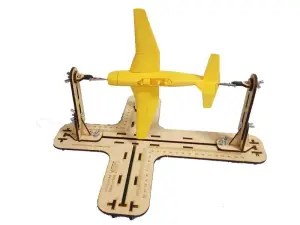
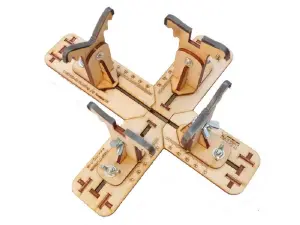
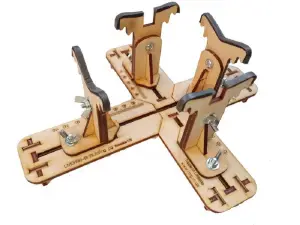
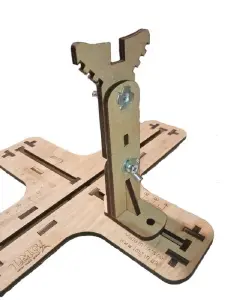
Clamp for model (universal), Laser Model Graving, BASE NOT INCLUDED
LMG-BB-38
$4.24 $4.99
 Black Friday−15%
4d 12h
인기
LMG
No scale
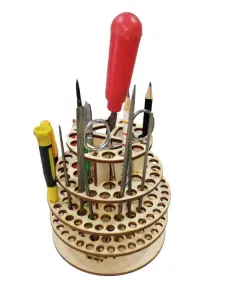
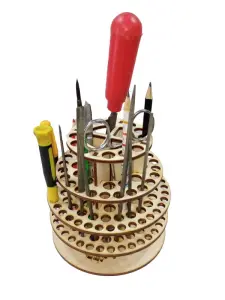
Rotating tool holder Laser Model Graving Dimensions 150 * 180 mm
LMG-WO-38
$11.04 $12.99
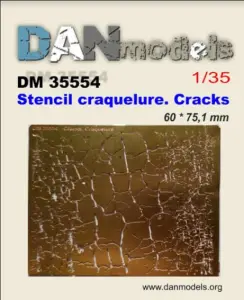 Black Friday−20%
4d 12h
Dan Models
1/35
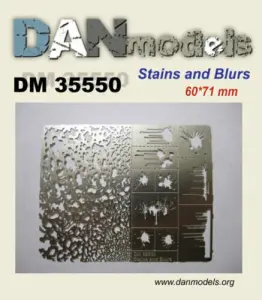
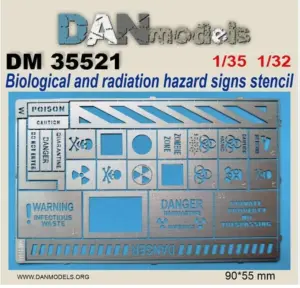
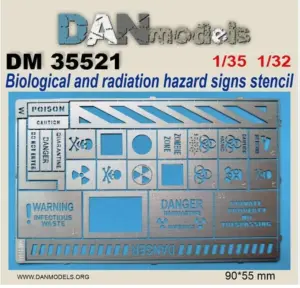
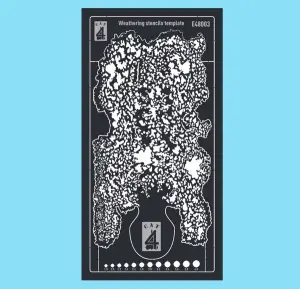
DM 35554 - Stencil. Cracks, craquelure. Size 60 75.1 mm, Accessories Scale kit
DAN35554
$8.79 $10.99
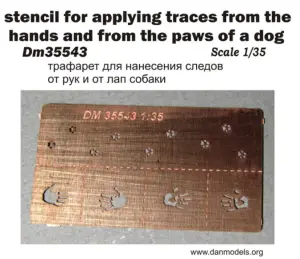 Black Friday−20%
4d 12h
Dan Models
1/35
Stencil for Applying Traces from the Hands and from the Paws OF A Dog
DAN35543
$4.79 $5.99
 Black Friday−20%
4d 12h
 Black Friday−15%
4d 12h
 Black Friday−20%
4d 12h
인기
 Black Friday−15%
4d 12h
인기
 Black Friday−20%
4d 12h
인기
 Black Friday−20%
4d 12h
함께 구매한 상품 12
 Black Friday−20%
4d 12h
인기
 Black Friday−20%
4d 12h
 Black Friday−20%
4d 12h
 Black Friday−20%
4d 12h
 Black Friday−20%
4d 12h
인기
 Black Friday−20%
4d 12h
인기
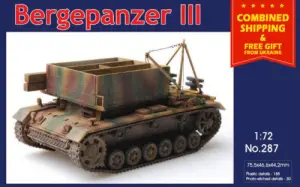 Black Friday−20%
4d 12h
인기
UniModel (UM)
1/72
Panzer Iii Armored Recovery Vehicle Unimodels 287 Plastic Model Kit
UM287
$15.19 $18.99
 Black Friday−20%
4d 12h
 Black Friday−20%
4d 12h
 Black Friday−20%
4d 12h
 Black Friday−20%
4d 12h
 Black Friday−20%
4d 12h
비슷한 상품 24
 Black Friday−20%
4d 12h
 Black Friday−20%
4d 12h
 Black Friday−20%
4d 12h
UniModel (UM)
1/72
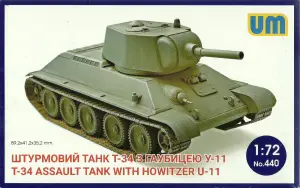
Unimodel 440 Soviet Tank T-34 With Howitzer U11 Wwii Plastic Model
UM440
$14.39 $17.99
 Black Friday−20%
4d 12h
 Black Friday−20%
4d 12h
 Black Friday−20%
4d 12h
인기
 Black Friday−20%
4d 12h
 Black Friday−20%
4d 12h
 Black Friday−20%
4d 12h
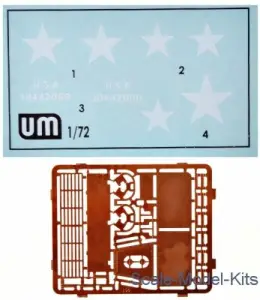
UniModel (UM)
1/72
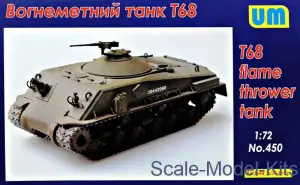
Unimodel 450 Soviet T68 Flame Thrower Tank Ww Ii Plastic Model Um 440
UM450
$14.39 $17.99
 Black Friday−20%
4d 12h
 Black Friday−20%
4d 12h
 Black Friday−20%
4d 12h
UniModel (UM)
1/72
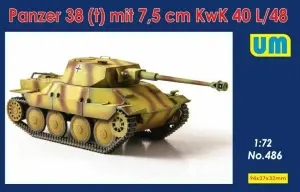
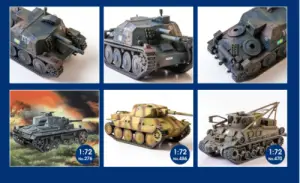
Unimodel 486 - German tank Panzer 38 (t) with a 7.5 cm KwK 40 l / 48 cannon
UM486
$14.39 $17.99
 Black Friday−20%
4d 12h
 Black Friday−20%
4d 12h
UniModel (UM)
1/72
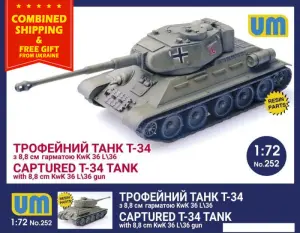
Trophy Tank T-34 with 88 MM Gun Kwk 36L/36 Unimodels 252 Plastic Model Kit
UM252
$14.39 $17.99
 Black Friday−20%
4d 12h
 Black Friday−20%
4d 12h
 Black Friday−20%
4d 12h
UniModel (UM)
1/72
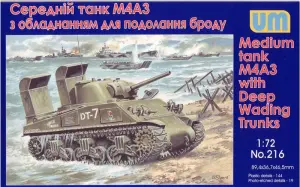
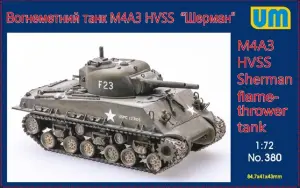
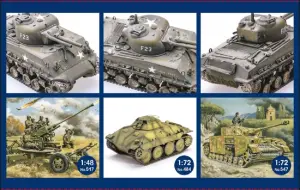
Unimodel UM380 - M4A3 HVSS flame thrower tank scale plastic model kit
UM380
$14.39 $17.99
 Black Friday−20%
4d 12h
 Black Friday−20%
4d 12h
인기
 Black Friday−20%
4d 12h
 Black Friday−20%
4d 12h
 Black Friday−20%
4d 12h
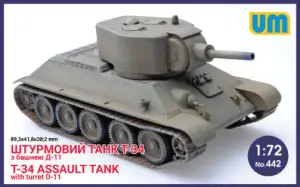
UniModel (UM)
1/72
Unimodel 442 - T-34 Assault Tank with Turret D-11 Plastic Model Kit
UM442
$14.39 $17.99
 Black Friday−20%
4d 12h
 Black Friday−20%
4d 12h
인기
최근 본 상품 16
 Black Friday−15%
4d 12h
 Black Friday−18%
4d 12h
 Black Friday−20%
4d 12h
 Black Friday−20%
4d 12h
 Black Friday−18%
4d 12h
 Black Friday−18%
4d 12h
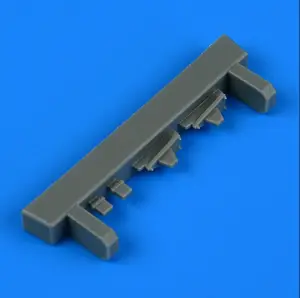
Quickboost
1/72
Briitish Phantom Remove Before Flight Covers Fujimi/Airfix
QB72645 1개 남음
$4.91 $5.99
 Black Friday−18%
4d 12h
 Black Friday−18%
4d 12h
신상품
 Black Friday−18%
4d 12h
 Black Friday−20%
4d 12h
 Black Friday−20%
4d 12h
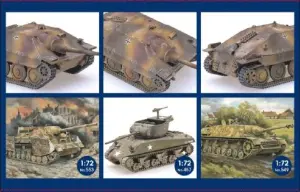
UniModel (UM)
1/72
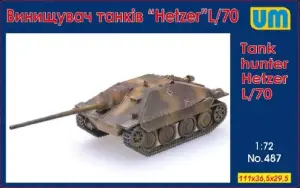
Unimodel 487 - Tank hunter Hetzer L/70, scale plastic model kit
UM487
$13.59 $16.99
 Black Friday−15%
4d 12h
 Black Friday−20%
4d 12h
 Black Friday−20%
4d 12h
신상품
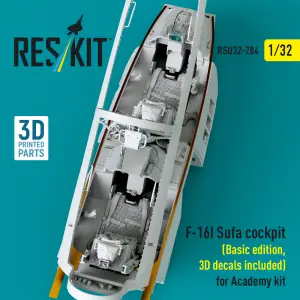
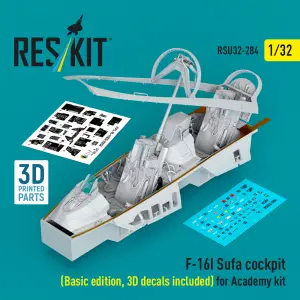
Reskit
1/32
F-16I Sufa cockpit (Basic edition, 3D decals included) for Academy kit (3D Printed)
RSU32-0284
$74.39 $92.99
 Black Friday−18%
4d 12h
 Black Friday−20%
4d 12h
$14.39
$17.99