
 Black Friday−15%
4d 11h
인기
Black Friday−20%
마우스를 올리면 확대됩니다 · 클릭하여 확대
- 미국 관세 납부 완료 도착 시 추가 관세 없음
- 무료 배송 대량 주문 시
- 무료 반품 반품 수수료 없음
- 신뢰할 수 있는 판매자 eBay 리뷰 35,000개 이상
최근 항공기에서 구매
Messerschmitt Bf 109G-4/R3 WWII Deutsch
$17.59
$21.99
Black Friday−20%
블랙프라이데이 가격 종료까지
00d 00:00:00
받기 $0.87 적립금으로 다시 사용 가능
이 상품을 구매하면 적립됩니다 87 포인트 — 입니다 $0.87 다음 주문 시 할인.
구매 후 계정에 포인트가 적립됩니다. 100포인트 = $1. 회원 고객에게 제공됩니다.
적립금 이용 안내 →
또는 바로 구매
이 0.97 lb 박스에서 0.38 lb 무료 — 상품을 더 담아도 배송비는 $12.99로 동일합니다.
$150.00 무료 배송까지
- 미국 관세 납부 완료 도착 시 추가 관세 없음
- 무료 배송 대량 주문 시
- 무료 반품 반품 수수료 없음
- 신뢰할 수 있는 판매자 eBay 리뷰 35,000개 이상
최근 항공기에서 구매
- 제조사
- UniModel (UM)
- 상품코드
- UM402
- 스케일
- 1/48
- 카테고리
- 항공기 / 프라모델
- 유형
- 전투기 / 요격기
- 재질
- 플라스틱
- 실물
- Bf 109G-4
- 무게
- 0.59 lb
- 추가된 날짜
- 04 3월 2014
미국 · 송장번호 포함 항공 우편 · 배송 약 14일. 위 배송 상자에서 국가를 변경하세요.
| 박스 무게(상품) | 가격 |
|---|---|
| 0.00 lb – 0.49 lb | $8.90 |
| 0.49 lb – 0.97 lb | $12.99 |
| 0.97 lb – 1.94 lb | $19.99 |
| 1.94 lb – 220.46 lb | $22.99 |
| $150.00 이상 주문 | 무료 |
이 상품의 무게는 0.59 lb입니다.
아직 이 상품에 대한 리뷰가 없습니다.
이 키트용 액세서리 24
프로토타입 일치 (Bf 109G-4)
Black Friday−15%
4d 11h
인기
 Black Friday−20%
4d 11h
인기
 Black Friday−18%
4d 11h
인기
 Black Friday−15%
4d 11h
인기
 Black Friday−15%
4d 11h
인기
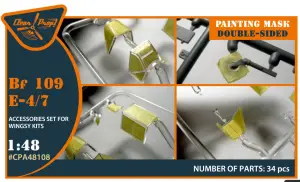
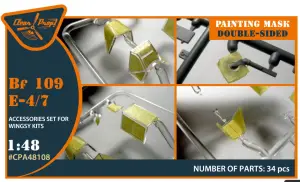
Clear Prop
1/48
Bf-109e-4/7 Double-sided Painting Mask On Yellow Kabuki Paper For Wingsy Kits
CPA48108
$5.09 $5.99
 Black Friday−15%
4d 11h
인기
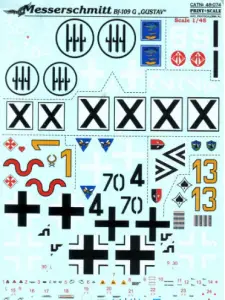 Black Friday−20%
4d 11h
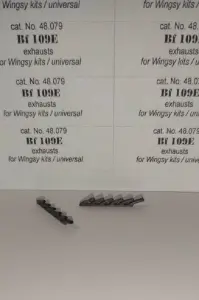 Black Friday−20%
4d 11h
인기
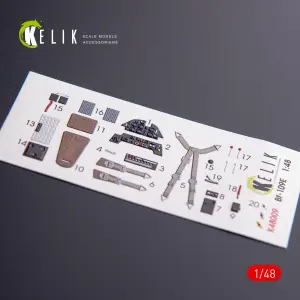 Black Friday−20%
4d 11h
인기
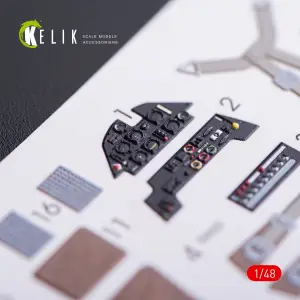
 Black Friday−18%
4d 11h
 Black Friday−18%
4d 11h
인기
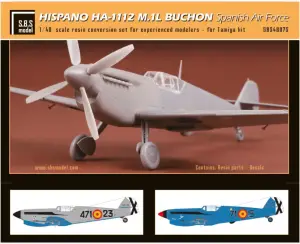
SBS Model
1/48
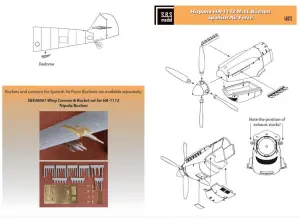
Hispano Ha 1112 M 1l Buchon Spanish Air Force For Tamiya Resin Decals
SBS-48075 1개 남음
$28.69 $34.99
 Black Friday−18%
4d 11h
인기
 Black Friday−18%
4d 11h
HADmodels
1/48
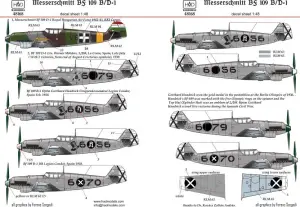
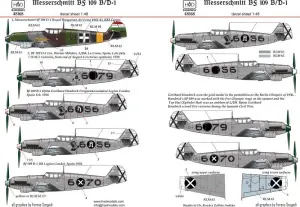
Had Models 48168 Decal Bf 109 B/D Accessories For Aircraft
HAD-48168 1개 남음
$16.39 $19.99
 Black Friday−18%
4d 11h
인기
 Black Friday−15%
4d 11h
인기
 Black Friday−15%
4d 11h
인기
 Black Friday−18%
4d 11h
 Black Friday−18%
4d 11h
 Black Friday−18%
4d 11h
 Black Friday−20%
4d 11h
 Black Friday−20%
4d 11h
 Black Friday−20%
4d 11h
 Black Friday−20%
4d 11h
 Black Friday−20%
4d 11h
함께 구매한 상품 12
 Black Friday−20%
4d 11h
 Black Friday−20%
4d 11h
인기
 Black Friday−20%
4d 11h
인기
 Black Friday−20%
4d 11h
인기
 Black Friday−15%
4d 11h
인기
 Black Friday−15%
4d 11h
인기
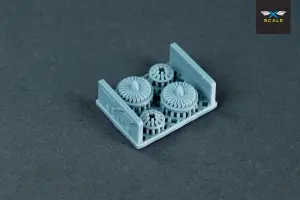
X-Scale
1/144
Airliner B737-2s3 Delta Medium-range Narrow-body Passenger Airliner
XSC144012
$31.44 $36.99
 Black Friday−15%
4d 11h
인기
 Black Friday−20%
4d 11h
인기
 Black Friday−20%
4d 11h
신상품
인기
Metallic Details
1/72
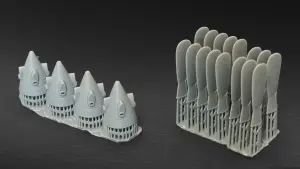
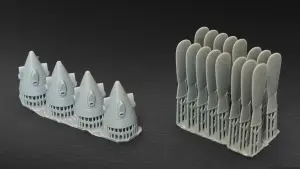
P-3c Orion Propellers 4 Pcs 3d Printed Detail Set For Hasegawa Kit
MDR72167
$10.39 $12.99
 Black Friday−20%
4d 11h
인기
 Black Friday−15%
4d 11h
인기
 Black Friday−15%
4d 11h
인기
비슷한 상품 24
 Black Friday−20%
4d 11h
 Black Friday−20%
4d 11h
 Black Friday−20%
4d 11h
 Black Friday−20%
4d 11h
 Black Friday−20%
4d 11h
 Black Friday−20%
4d 11h
 Black Friday−20%
4d 11h
 Black Friday−30%
4d 11h
 Black Friday−30%
4d 11h
신상품
 Black Friday−30%
4d 11h
신상품
 Black Friday−30%
4d 11h
 Black Friday−18%
4d 11h
 Black Friday−15%
4d 11h
 Black Friday−15%
4d 11h
 Black Friday−15%
4d 11h
 Black Friday−15%
4d 11h
 Black Friday−15%
4d 11h
 Black Friday−15%
4d 11h
 Black Friday−15%
4d 11h
 Black Friday−15%
4d 11h
 Black Friday−15%
4d 11h
 Black Friday−15%
4d 11h
인기
 Black Friday−15%
4d 11h
 Black Friday−15%
4d 11h
최근 본 상품 16
 Black Friday−18%
4d 11h
 Black Friday−18%
4d 11h
 Black Friday−18%
4d 11h
 Black Friday−18%
4d 11h
 Black Friday−20%
4d 11h
 Black Friday−20%
4d 11h
 Black Friday−18%
4d 11h
 Black Friday−18%
4d 11h
 Black Friday−18%
4d 11h
 Black Friday−18%
4d 11h
 Black Friday−18%
4d 11h
 Black Friday−18%
4d 11h
 Black Friday−18%
4d 11h
인기
 Black Friday−18%
4d 11h
 Black Friday−20%
4d 11h
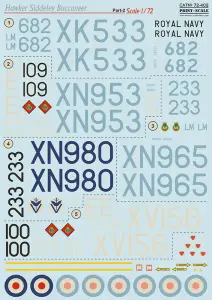
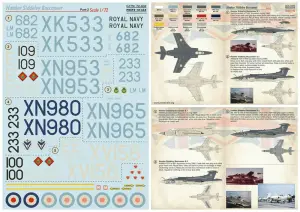
Print Scale Decals
1/72
Hawker Siddeley Buccaneer Part-2, Decal for aircraft
PRS72-402
$19.99 $24.99
 Black Friday−18%
4d 11h
$17.59
$21.99