
 Black Friday−20%
4d 11h
인기
Black Friday−20%
마우스를 올리면 확대됩니다 · 클릭하여 확대
- 미국 관세 납부 완료 도착 시 추가 관세 없음
- 무료 배송 대량 주문 시
- 무료 반품 반품 수수료 없음
- 신뢰할 수 있는 판매자 eBay 리뷰 35,000개 이상
최근 항공기에서 구매
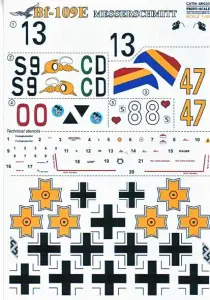
German Me-109 air weapons and equipment WWII
$10.39
$12.99
Black Friday−20%
블랙프라이데이 가격 종료까지
00d 00:00:00
받기 $0.51 적립금으로 다시 사용 가능
이 상품을 구매하면 적립됩니다 51 포인트 — 입니다 $0.51 다음 주문 시 할인.
구매 후 계정에 포인트가 적립됩니다. 100포인트 = $1. 회원 고객에게 제공됩니다.
적립금 이용 안내 →
또는 바로 구매
이 0.49 lb 박스에서 0.33 lb 무료 — 상품을 더 담아도 배송비는 $8.90로 동일합니다.
$150.00 무료 배송까지
- 미국 관세 납부 완료 도착 시 추가 관세 없음
- 무료 배송 대량 주문 시
- 무료 반품 반품 수수료 없음
- 신뢰할 수 있는 판매자 eBay 리뷰 35,000개 이상
최근 항공기에서 구매
- 제조사
- UniModel (UM)
- 상품코드
- UM419
- 스케일
- 1/48
- 카테고리
- 항공기 / 프라모델
- 유형
- 로켓 / 미사일 / 폭탄
- 재질
- 플라스틱
- 실물
- Bf 109
- 무게
- 0.16 lb
- 추가된 날짜
- 04 3월 2014
미국 · 송장번호 포함 항공 우편 · 배송 약 14일. 위 배송 상자에서 국가를 변경하세요.
| 박스 무게(상품) | 가격 |
|---|---|
| 0.00 lb – 0.49 lb | $8.90 |
| 0.49 lb – 0.97 lb | $12.99 |
| 0.97 lb – 1.94 lb | $19.99 |
| 1.94 lb – 220.46 lb | $22.99 |
| $150.00 이상 주문 | 무료 |
이 상품의 무게는 0.16 lb입니다.
아직 이 상품에 대한 리뷰가 없습니다.
이 키트용 액세서리 24
프로토타입 일치 (Bf 109)
Black Friday−20%
4d 11h
인기
 Black Friday−20%
4d 11h
 Black Friday−18%
4d 11h
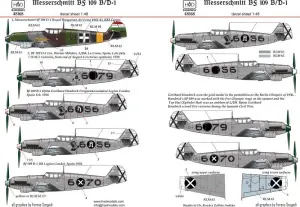
HADmodels
1/48
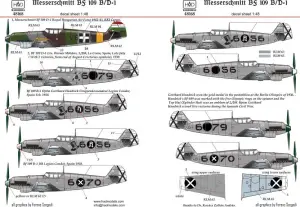
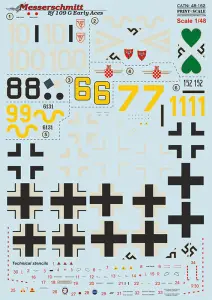
Had Models 48168 Decal Bf 109 B/D Accessories For Aircraft
HAD-48168 1개 남음
$16.39 $19.99
 Black Friday−18%
4d 11h
인기
 Black Friday−20%
4d 11h
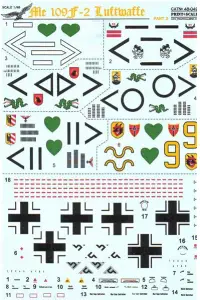 Black Friday−20%
4d 11h
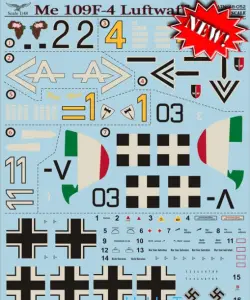 Black Friday−20%
4d 11h
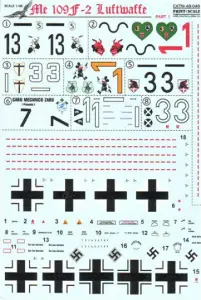 Black Friday−20%
4d 11h
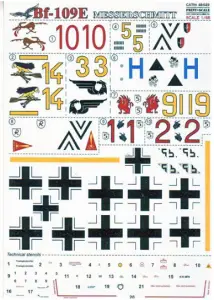 Black Friday−20%
4d 11h
 Black Friday−20%
4d 11h
 Black Friday−20%
4d 11h
 Black Friday−20%
4d 11h
 Black Friday−20%
4d 11h
 Black Friday−20%
4d 11h
 Black Friday−20%
4d 11h
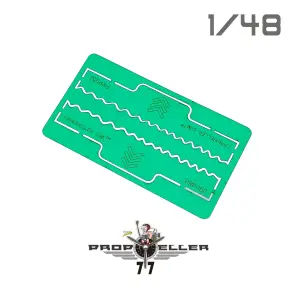
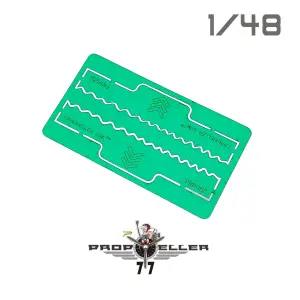
REXx
1/48
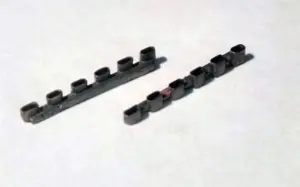
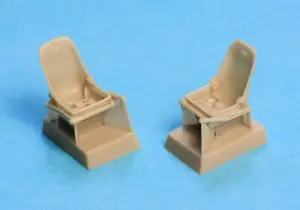
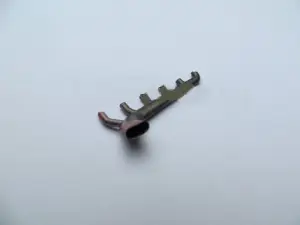
Exhaust pipes for Messerschmitt Bf-109 A/B scale metal model kit
REXx48058 1개 남음
$8.79 $10.99
 Black Friday−18%
4d 11h
 Black Friday−18%
4d 11h
 Black Friday−18%
4d 11h
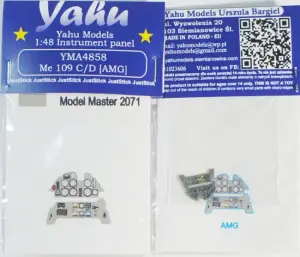
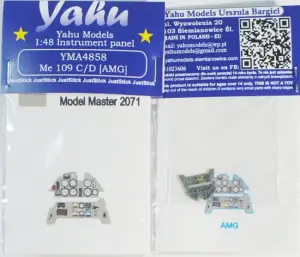
Yahu Model
1/48
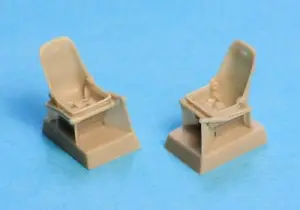
Me-109 B For Amg And Special Hobby Accessories For Aircraft
YMA4846 2개 남음
$8.19 $9.99
 Black Friday−18%
4d 11h
 Black Friday−15%
4d 11h
인기
 Black Friday−18%
4d 11h
인기
 Black Friday−15%
4d 11h
인기
 Black Friday−15%
4d 11h
인기
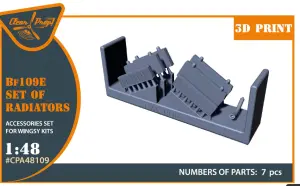
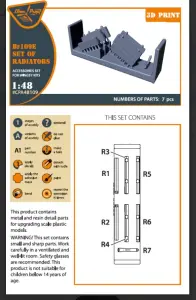
Clear Prop
1/48
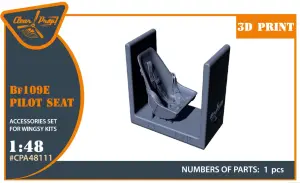
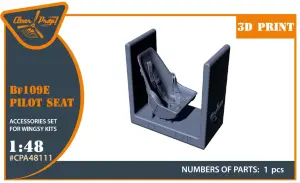
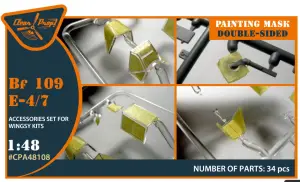
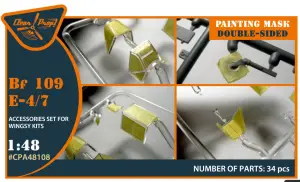
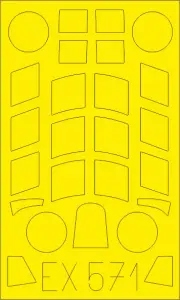
Bf-109e-4/7 Double-sided Painting Mask On Yellow Kabuki Paper For Wingsy Kits
CPA48108
$5.09 $5.99
 Black Friday−15%
4d 11h
인기
함께 구매한 상품 12
 Black Friday−20%
4d 11h
인기
 Black Friday−20%
4d 11h
 Black Friday−20%
4d 11h
 Black Friday−20%
4d 11h
UniModel (UM)
1/72
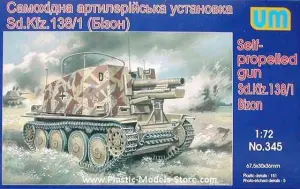
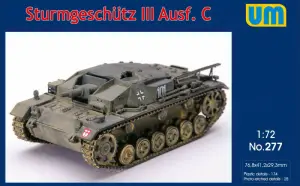
Unimodel 277 - Tank Sturmgeschutz III Ausf.C Scale Plastic Model
UM277
$15.19 $18.99
 Black Friday−20%
4d 11h
 Black Friday−20%
4d 11h
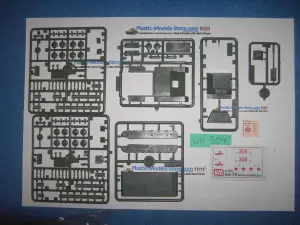
 Black Friday−20%
4d 11h
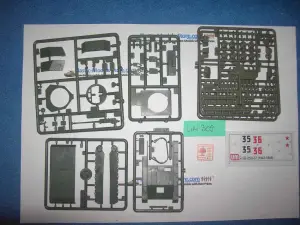
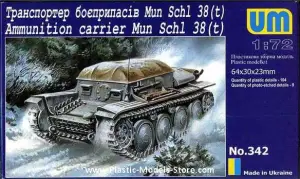 Black Friday−20%
4d 11h
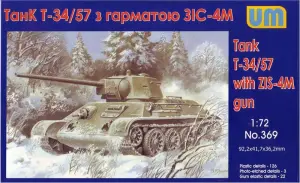 Black Friday−20%
4d 11h
 Black Friday−20%
4d 11h
 Black Friday−20%
4d 11h
 Black Friday−20%
4d 11h
비슷한 상품 24
Black Friday−20%
4d 11h
 Black Friday−20%
4d 11h
 Black Friday−20%
4d 11h
 Black Friday−20%
4d 11h
 Black Friday−20%
4d 11h
 Black Friday−20%
4d 11h
 Black Friday−20%
4d 11h
 Black Friday−15%
4d 11h
 Black Friday−15%
4d 11h
 Black Friday−15%
4d 11h
 Black Friday−15%
4d 11h
 Black Friday−18%
4d 11h
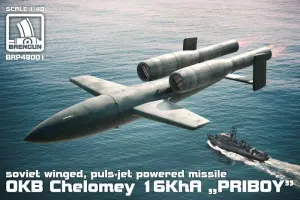
Brengun
1/48
OKB Chelomey 16KhA PRIBOY missile plastic construction kit
BRP48001 1개 남음
$14.75 $17.99
 Black Friday−15%
4d 11h
 Black Friday−15%
4d 11h
 Black Friday−15%
4d 11h
 Black Friday−18%
4d 11h
 Black Friday−15%
4d 11h
 Black Friday−15%
4d 11h
 Black Friday−15%
4d 11h
인기
 Black Friday−30%
4d 11h
 Black Friday−15%
4d 11h
 Black Friday−15%
4d 11h
 Black Friday−15%
4d 11h
 Black Friday−15%
4d 11h
최근 본 상품 16
 Black Friday−20%
4d 11h

Arcus Colors
No scale
Arcus 271 Enamel Paint Luftwaffe 271 Rlm 74 Dunkelgrau Grunlich Saturated Color
ARC-271
$1.59 $1.99
 Black Friday−18%
4d 11h
 Black Friday−20%
4d 11h
 Black Friday−18%
4d 11h
 Black Friday−18%
4d 11h
신상품
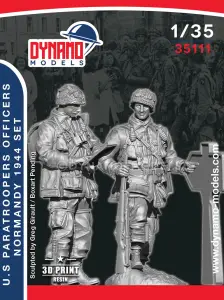
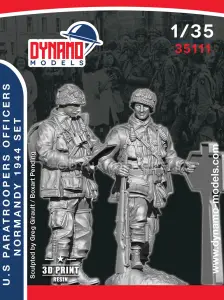
Dynamo Models
1/35
Us Paratrooper Officers Normandy 1944 3d Printed Resin Kit
DYM-35111 1개 남음
$31.97 $38.99
 Black Friday−18%
4d 11h
 Black Friday−30%
4d 11h
인기
BSModelle
1/72
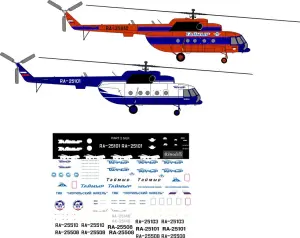
Mil Mi-8 Russian Polar aviation decal for model aircraft
BSM-72023
$9.79 $13.99
재입고 알림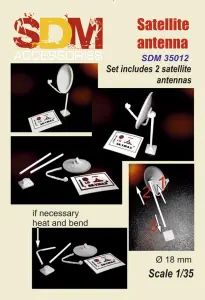 Black Friday−20%
4d 11h
단종
Dan Models
1/35
Satellite antenna. If necesary heat and bend, 18 mm
DAN-SDM35012
$8.79 $10.99
재입고 알림 Black Friday−18%
4d 11h
 Black Friday−18%
4d 11h
 Black Friday−18%
4d 11h
Eduard
1/48
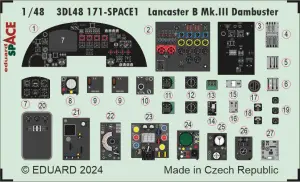
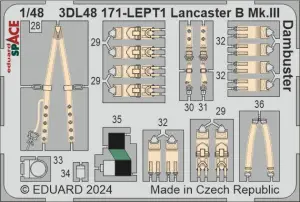
Lancaster B Mk.III Dambuster SPACE 3D Decal for Aircraft Space
ED-3DL48171
$27.05 $32.99
재입고 알림 Black Friday−18%
4d 11h
 Black Friday−15%
4d 11h
 Black Friday−18%
4d 11h
 Black Friday−20%
4d 11h
 Black Friday−18%
4d 11h
Eduard
1/72
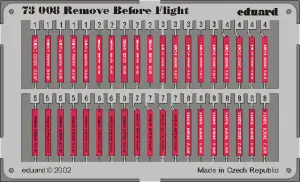
Remove Before Flight Photo-Etched for Aircraft Photo etched set
ED-73008
$8.19 $9.99
재입고 알림
$10.39
$12.99