







 Black Friday−18%
4d 11h
Black Friday−15%
인기
마우스를 올리면 확대됩니다 · 클릭하여 확대
- 미국 관세 납부 완료 도착 시 추가 관세 없음
- 무료 배송 대량 주문 시
- 무료 반품 반품 수수료 없음
- 신뢰할 수 있는 판매자 eBay 리뷰 35,000개 이상
최근 전차·군용 차량에서 구매
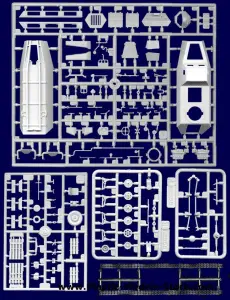
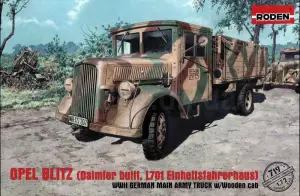
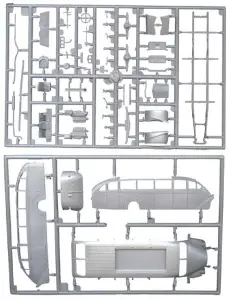
Opel Blitzbus Ludewig Aero 1937
$10.19
$11.99
Black Friday−15%
블랙프라이데이 가격 종료까지
00d 00:00:00
받기 $0.50 적립금으로 다시 사용 가능
이 상품을 구매하면 적립됩니다 50 포인트 — 입니다 $0.50 다음 주문 시 할인.
구매 후 계정에 포인트가 적립됩니다. 100포인트 = $1. 회원 고객에게 제공됩니다.
적립금 이용 안내 →
또는 바로 구매
이 0.49 lb 박스에서 0.27 lb 무료 — 상품을 더 담아도 배송비는 $8.90로 동일합니다.
$150.00 무료 배송까지
- 미국 관세 납부 완료 도착 시 추가 관세 없음
- 무료 배송 대량 주문 시
- 무료 반품 반품 수수료 없음
- 신뢰할 수 있는 판매자 eBay 리뷰 35,000개 이상
최근 전차·군용 차량에서 구매
- 제조사
- Roden
- 상품코드
- RN724
- 스케일
- 1/72
- 카테고리
- 전차·군용 차량 / 프라모델
- 유형
- 버스
- 재질
- 플라스틱
- 실물
- Opel Blitz
- 무게
- 0.22 lb
- 추가된 날짜
- 24 3월 2014
미국 · 송장번호 포함 항공 우편 · 배송 약 14일. 위 배송 상자에서 국가를 변경하세요.
| 박스 무게(상품) | 가격 |
|---|---|
| 0.00 lb – 0.49 lb | $8.90 |
| 0.49 lb – 0.97 lb | $12.99 |
| 0.97 lb – 1.94 lb | $19.99 |
| 1.94 lb – 220.46 lb | $22.99 |
| $150.00 이상 주문 | 무료 |
이 상품의 무게는 0.22 lb입니다.
아직 이 상품에 대한 리뷰가 없습니다.
이 키트용 액세서리 24
프로토타입 일치 (Opel Blitz)
Black Friday−18%
4d 11h

 Black Friday−20%
4d 11h
인기
 Black Friday−30%
4d 11h
 Black Friday−15%
4d 11h
인기
 Black Friday−20%
4d 11h
인기
 Black Friday−15%
4d 11h
인기
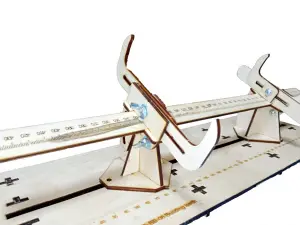
LMG
No scale
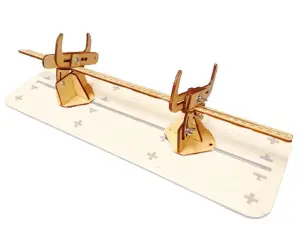
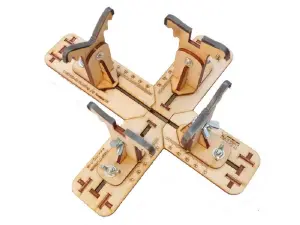
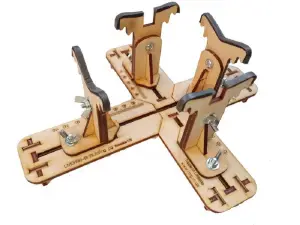
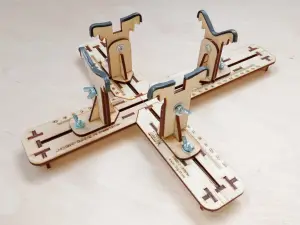
Ship model building kit, Laser Model Graving for building berths
LMG-BB-42
$14.44 $16.99
 Black Friday−15%
4d 11h
인기

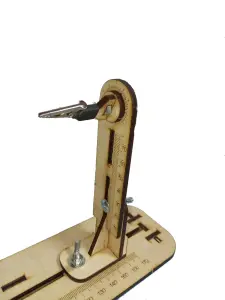
LMG
No scale
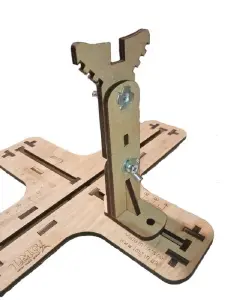
Clamp for model (universal), Laser Model Graving, BASE NOT INCLUDED
LMG-BB-38
$4.24 $4.99
 Black Friday−15%
4d 11h
인기
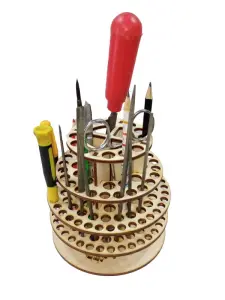
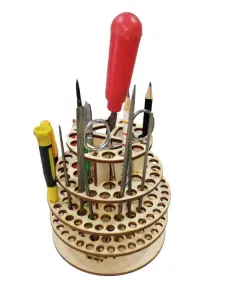
LMG
No scale
Rotating tool holder Laser Model Graving Dimensions 150 * 180 mm
LMG-WO-38
$11.04 $12.99
 Black Friday−20%
4d 11h
Dan Models
1/35
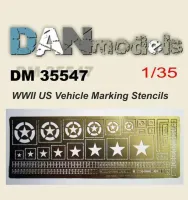
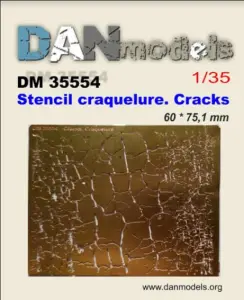
DM 35554 - Stencil. Cracks, craquelure. Size 60 75.1 mm, Accessories Scale kit
DAN35554
$8.79 $10.99
 Black Friday−20%
4d 11h
Dan Models
1/35
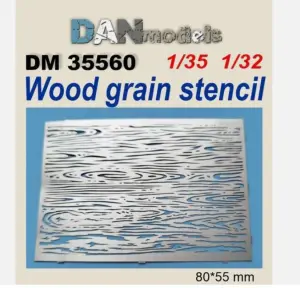
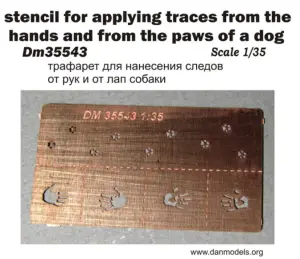
Stencil for Applying Traces from the Hands and from the Paws OF A Dog
DAN35543
$4.79 $5.99
 Black Friday−20%
4d 11h
 Black Friday−15%
4d 11h
 Black Friday−20%
4d 11h
인기
 Black Friday−15%
4d 11h
인기
 Black Friday−20%
4d 11h
인기
 Black Friday−20%
4d 11h
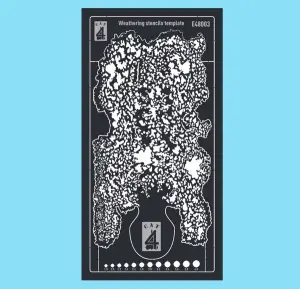
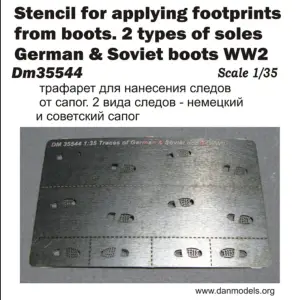 Black Friday−20%
4d 11h
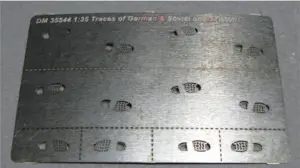
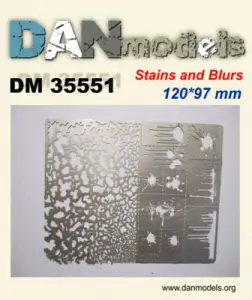 Black Friday−20%
4d 11h

 Black Friday−15%
4d 11h
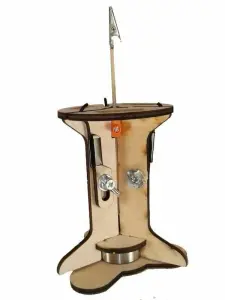
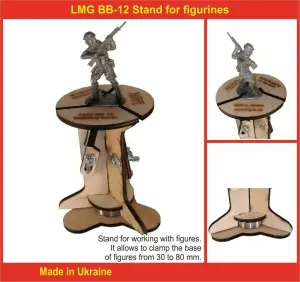
LMG
No scale
Stand for working with figures plastic model kit, Laser Model Graving
LMG-BB-12
$7.64 $8.99
 Black Friday−15%
4d 11h
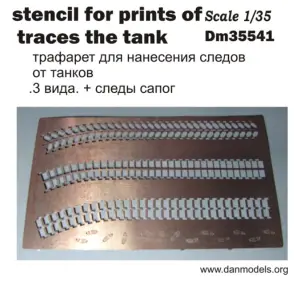 Black Friday−20%
4d 11h
 Black Friday−15%
4d 11h
LMG
No scale
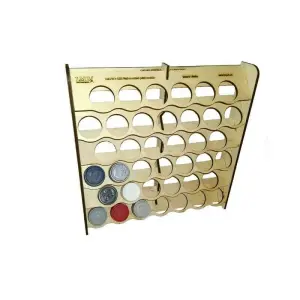
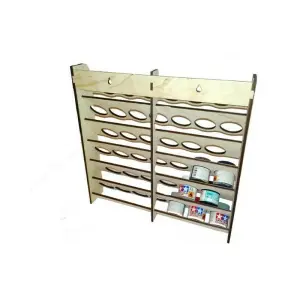
Wall Paint Stand, size 300x300x50 mm, shelf, Laser Model Graving
LMG-WO-1223
$21.24 $24.99
 Black Friday−20%
4d 11h
인기
Arcus Colors
No scale
Arcus 006 Enamel paint Transparent gloss varnish. Clear Flat 10ml
ARC-006
$1.59 $1.99
 Black Friday−20%
4d 11h
인기
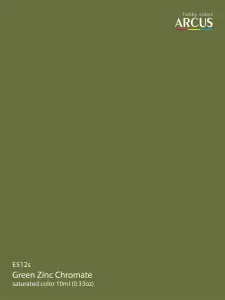
Arcus Colors
No scale
Arcus 512 Enamel paint USAF Green Zinc Chromate Saturated color 10ml
ARC-512
$1.59 $1.99
함께 구매한 상품 12
 Black Friday−20%
4d 11h
인기
 Black Friday−15%
4d 11h
신상품
인기
 Black Friday−20%
4d 11h
인기

MARS Figures
1/72
British Paratroopers Set Ii Red Devils Ww Ii 40 Figures 8 Poses
MS72149
$7.99 $9.99
 Black Friday−15%
4d 11h
인기
 Black Friday−15%
4d 11h
인기

 Black Friday−20%
4d 11h
인기

 Black Friday−15%
4d 11h
인기

 Black Friday−15%
4d 11h
인기
 Black Friday−20%
4d 11h
인기
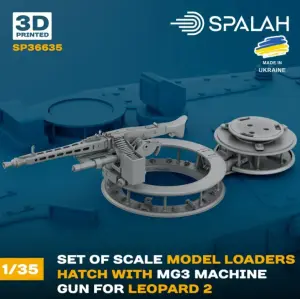
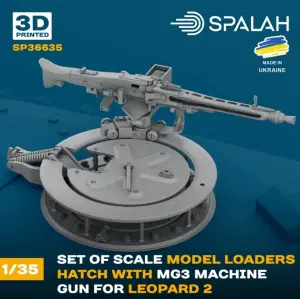
Spalah
1/35
Set Of Scale Model Loader Hatch With Mg3 Machine Gun For Leopard 2
SP36635
$10.39 $12.99
 Black Friday−15%
4d 11h
인기
 Black Friday−15%
4d 11h
인기
 Black Friday−20%
4d 11h
인기

비슷한 상품 24
 Black Friday−15%
4d 11h
 Black Friday−15%
4d 11h
 Black Friday−15%
4d 11h
 Black Friday−15%
4d 11h
 Black Friday−15%
4d 11h
 Black Friday−15%
4d 11h
 Black Friday−15%
4d 11h
 Black Friday−15%
4d 11h
Roden
1/72
British Armored Car Pattern 1920 MK.II (Modified with Sand Tyres)
RN734 1개 남음
$10.19 $11.99
 Black Friday−15%
4d 11h
 Black Friday−15%
4d 11h
인기
 Black Friday−15%
4d 11h
 Black Friday−15%
4d 11h
 Black Friday−15%
4d 11h

 Black Friday−15%
4d 11h
인기
 Black Friday−15%
4d 11h
 Black Friday−15%
4d 11h
인기
 Black Friday−15%
4d 11h
 Black Friday−15%
4d 11h

 Black Friday−15%
4d 11h
 Black Friday−15%
4d 11h
인기
 Black Friday−15%
4d 11h
 Black Friday−15%
4d 11h
 Black Friday−15%
4d 11h
 Black Friday−15%
4d 11h

최근 본 상품 16
 Black Friday−18%
4d 11h
 Black Friday−15%
4d 11h
 Black Friday−15%
4d 11h
 Black Friday−18%
4d 11h

 Black Friday−20%
4d 11h
 Black Friday−18%
4d 11h
 Black Friday−15%
4d 11h
인기
 Black Friday−20%
4d 11h
 Black Friday−20%
4d 11h
 Black Friday−18%
4d 11h
 Black Friday−20%
4d 11h
 Black Friday−18%
4d 11h
 Black Friday−15%
4d 11h
 Black Friday−18%
4d 11h
 Black Friday−18%
4d 11h

 Black Friday−18%
4d 11h

$10.19
$11.99