

 Black Friday−20%
4d 12h
인기
Black Friday−15%
마우스를 올리면 확대됩니다 · 클릭하여 확대
- 미국 관세 납부 완료 도착 시 추가 관세 없음
- 무료 배송 대량 주문 시
- 무료 반품 반품 수수료 없음
- 신뢰할 수 있는 판매자 eBay 리뷰 35,000개 이상
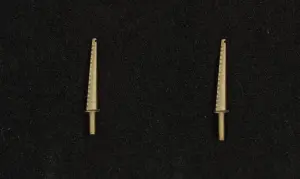
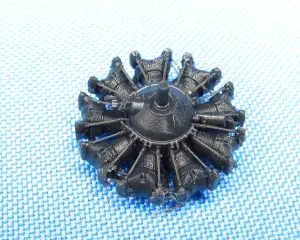
Messerschmitt Bf 109 E-3/E-4. Re-release
$12.74
$14.99
Black Friday−15%
블랙프라이데이 가격 종료까지
00d 00:00:00
받기 $0.63 적립금으로 다시 사용 가능
이 상품을 구매하면 적립됩니다 63 points — 입니다 $0.63 다음 주문 시 할인.
구매 후 계정에 포인트가 적립됩니다. 100포인트 = $1. 회원 고객에게 제공됩니다.
적립금 이용 안내 →
또는 바로 구매
0.30 lb free in this 0.49 lb box — add more items, shipping stays $8.90.
$150.00 무료 배송까지
- 미국 관세 납부 완료 도착 시 추가 관세 없음
- 무료 배송 대량 주문 시
- 무료 반품 반품 수수료 없음
- 신뢰할 수 있는 판매자 eBay 리뷰 35,000개 이상
미국 · Airmail with tracking · delivery ~14 days. 위 배송 상자에서 국가를 변경하세요.
| 박스 무게(상품) | 가격 |
|---|---|
| 0.00 lb – 0.49 lb | $8.90 |
| 0.49 lb – 0.97 lb | $12.99 |
| 0.97 lb – 1.94 lb | $19.99 |
| 1.94 lb – 220.46 lb | $22.99 |
| $150.00 이상 주문 | 무료 |
이 상품의 무게는 0.18 lb입니다.
아직 이 상품에 대한 리뷰가 없습니다.
Accessories for this kit 24
프로토타입 일치 (Bf 109)
Black Friday−20%
4d 12h
인기
 Black Friday−18%
4d 12h
인기
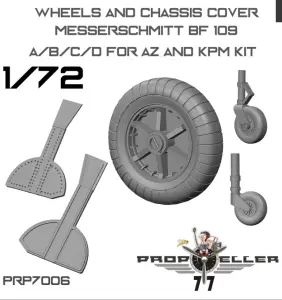
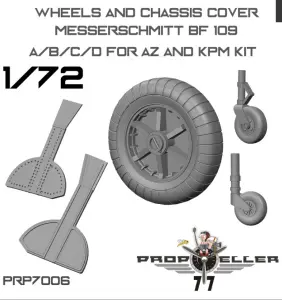
77Propeller
1/72
Wheels And Chassis Cover Messerschmitt Bf 109 A/B/C/D For Az And Kpm Kit
PRP7006 1개 남음
$9.01 $10.99
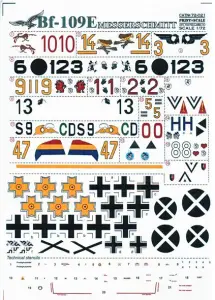 Black Friday−20%
4d 12h
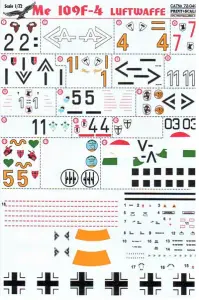 Black Friday−20%
4d 12h
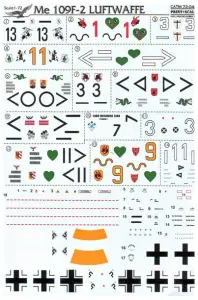 Black Friday−20%
4d 12h
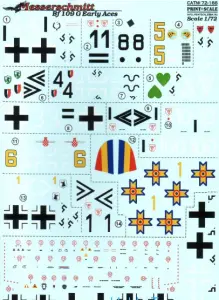 Black Friday−20%
4d 12h
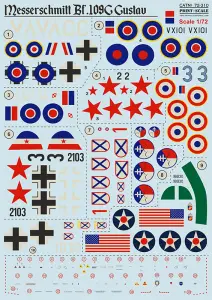 Black Friday−20%
4d 12h
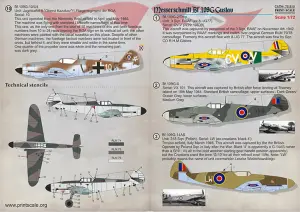
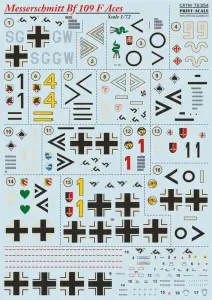 Black Friday−20%
4d 12h
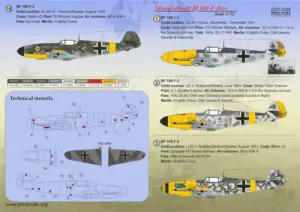
 Black Friday−20%
4d 12h
 Black Friday−20%
4d 12h
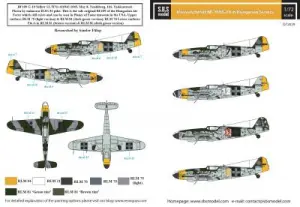 Black Friday−18%
4d 12h
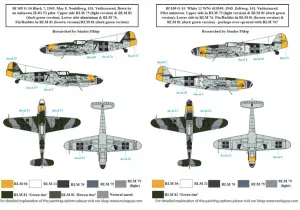
SBS Model
1/72
Messerschmitt Bf 109 G 10 In Hungarian Service Ww Ii Decal
SBS-D72029 1개 남음
$9.83 $11.99
 Black Friday−18%
4d 12h
 Black Friday−20%
4d 12h
인기
 Black Friday−20%
4d 12h
인기
 Black Friday−20%
4d 12h
인기
 Black Friday−20%
4d 12h
인기
 Black Friday−20%
4d 12h
인기
 Black Friday−18%
4d 12h
인기
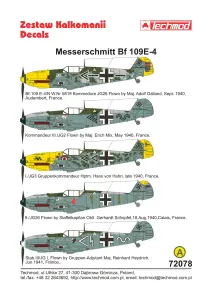
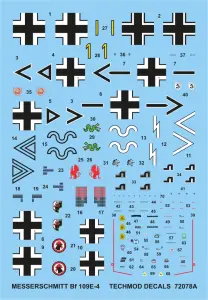
Techmod
1/72
Messerschmitt Bf 109e-3 German Fighter 1940-41 Wet Decal Wwii
TM72078 1개 남음
$6.55 $7.99
 Black Friday−20%
4d 12h
 Black Friday−18%
4d 12h
인기
SBS Model
1/72
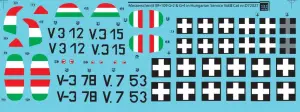
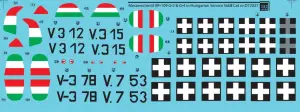
Decal For Messerschmitt Bf-109g-2 G-4 In Hungarian Service Ww Ii
SBS-D72027 1개 남음
$9.83 $11.99
 Black Friday−20%
4d 12h
 Black Friday−20%
4d 12h
 Black Friday−20%
4d 12h
 Black Friday−20%
4d 12h
인기
함께 구매한 상품 12
 Black Friday−20%
4d 12h
인기
 Black Friday−15%
4d 12h
 Black Friday−15%
4d 12h
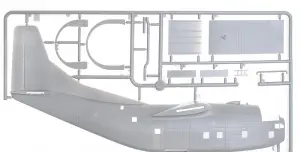
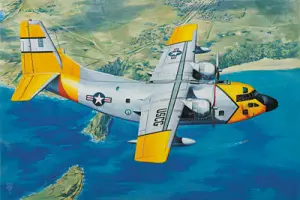
Roden
1/72
Plastic Model Airplane Building Kit Fairchild HC-123B Provider Air
RN062 2개 남음
$39.09 $45.99
 Black Friday−20%
4d 12h
인기
 Black Friday−20%
4d 12h
인기
 Black Friday−18%
4d 12h
인기
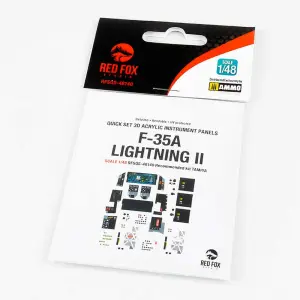
Red Fox Studio
1/48
F-35a Lightning Ii 3d Acrylic Instrument Panel Set For Tamiya
RFSQS-48140 1개 남음
$14.75 $17.99
 Black Friday−15%
4d 12h
인기
 Black Friday−20%
4d 12h
인기
 Black Friday−20%
4d 12h
인기
 Black Friday−15%
4d 12h
신상품
인기
 Black Friday−20%
4d 12h
인기
 Black Friday−20%
4d 12h
인기

비슷한 상품 24
 Black Friday−15%
4d 12h
 Black Friday−15%
4d 12h
 Black Friday−15%
4d 12h
 Black Friday−15%
4d 12h
 Black Friday−15%
4d 12h
 Black Friday−15%
4d 12h
 Black Friday−15%
4d 12h
 Black Friday−15%
4d 12h
 Black Friday−15%
4d 12h
 Black Friday−15%
4d 12h
 Black Friday−15%
4d 12h
 Black Friday−15%
4d 12h
 Black Friday−15%
4d 12h
 Black Friday−15%
4d 12h
 Black Friday−15%
4d 12h
 Black Friday−15%
4d 12h
 Black Friday−15%
4d 12h

 Black Friday−15%
4d 12h
 Black Friday−15%
4d 12h
 Black Friday−15%
4d 12h
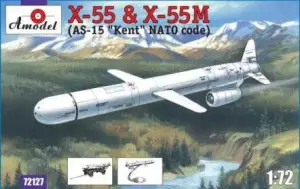
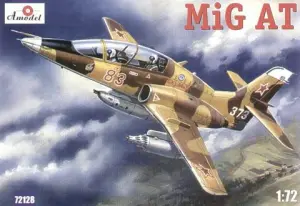
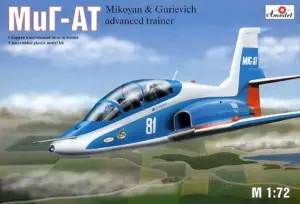
Amodel
1/72
MiG-AT Russian modern trainer aircraft (Mikoyan-Gurevich Design Bureau)
AMO7239 1개 남음
$10.19 $11.99
 Black Friday−15%
4d 12h
 Black Friday−15%
4d 12h
 Black Friday−15%
4d 12h
 Black Friday−15%
4d 12h
최근 본 상품 16
 Black Friday−20%
4d 12h
 Black Friday−20%
4d 12h
단종
 Black Friday−20%
4d 12h
 Black Friday−18%
4d 12h
인기
 Black Friday−18%
4d 12h

 Black Friday−15%
4d 12h
 Black Friday−15%
4d 12h
인기
 Black Friday−20%
4d 12h
 Black Friday−20%
4d 12h
단종
 Black Friday−18%
4d 12h
 Black Friday−18%
4d 12h
 Black Friday−18%
4d 12h
 Black Friday−18%
4d 12h
 Black Friday−15%
4d 12h
 Black Friday−18%
4d 12h
 Black Friday−20%
4d 12h
인기
$12.74
$14.99