
 Black Friday−20%
4d 12h
Black Friday−20%
마우스를 올리면 확대됩니다 · 클릭하여 확대
- U.S. tariffs paid No duties on arrival
- Free shipping on larger orders
- Free returns No restocking fees
- Trusted seller 35,000+ eBay reviews
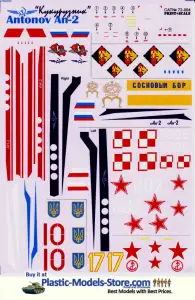
Decal for AN-2 Federation OF Aerobatics OF Ukraine
$7.19
$8.99
Black Friday−20%
블랙프라이데이 가격 종료까지
00d 00:00:00
받기 $0.35 적립금으로 다시 사용 가능
이 상품을 구매하면 적립됩니다 35 points — 입니다 $0.35 다음 주문 시 할인.
구매 후 계정에 포인트가 적립됩니다. 100포인트 = $1. 회원 고객에게 제공됩니다.
적립금 이용 안내 →
또는 바로 구매
0.46 lb free in this 0.49 lb box — add more items, shipping stays $8.90.
$150.00 무료 배송까지
- U.S. tariffs paid No duties on arrival
- Free shipping on larger orders
- Free returns No restocking fees
- Trusted seller 35,000+ eBay reviews
- 제조사
- Dan Models
- 상품코드
- DAN72008
- 스케일
- 1/72
- 카테고리
- 항공기 / 디테일업 파츠
- 유형
- 데칼
- 재질
- 데칼
- 실물
- An-2
- 무게
- 0.02 lb
- 추가된 날짜
- 05 9월 2017
미국 · Airmail with tracking · delivery ~14 days. 위 배송 상자에서 국가를 변경하세요.
| 박스 무게(상품) | 가격 |
|---|---|
| 0.00 lb – 0.49 lb | $8.90 |
| 0.49 lb – 0.97 lb | $12.99 |
| 0.97 lb – 1.94 lb | $19.99 |
| 1.94 lb – 220.46 lb | $22.99 |
| $150.00 이상 주문 | 무료 |
이 상품의 무게는 0.02 lb입니다.
아직 이 상품에 대한 리뷰가 없습니다.
함께 보면 좋은 상품 24
프로토타입 일치 (An-2)
Black Friday−20%
4d 12h
 Black Friday−20%
4d 12h
 Black Friday−18%
4d 12h
HADmodels
1/72
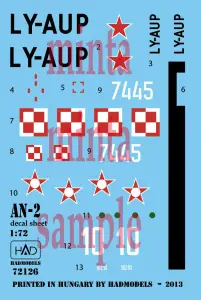
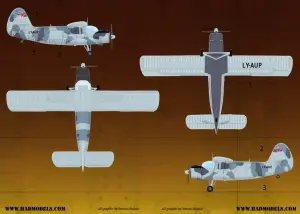
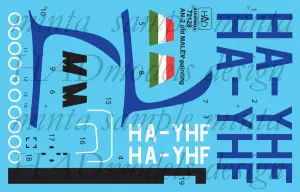
Had Models 72126 Decal For An-2 Military Accessories For Airplane
HAD-72126 1개 남음
$4.09 $4.99
 Black Friday−18%
4d 12h
HADmodels
1/72
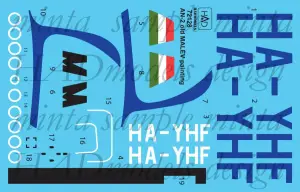
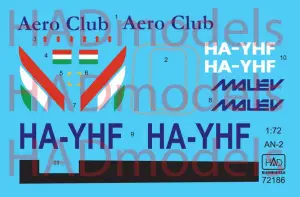
Had Models 72128 Decal For An -2 Old Malev Accessories Kit
HAD-72128 1개 남음
$10.65 $12.99
 Black Friday−18%
4d 12h
HADmodels
1/72
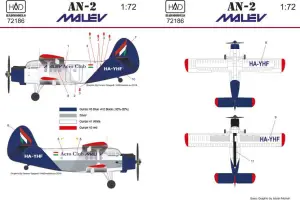
Had Models 72186 Decal For An -2 Malev Accessories For Aircraft
HAD-72186 1개 남음
$10.65 $12.99
 Black Friday−15%
4d 12h
 Black Friday−20%
4d 12h
 Black Friday−18%
4d 12h
 Black Friday−18%
4d 12h
 Black Friday−20%
4d 12h
인기
 Black Friday−20%
4d 12h
 Black Friday−15%
4d 12h
인기
 Black Friday−15%
4d 12h
인기
 Black Friday−15%
4d 12h
인기
 Black Friday−20%
4d 12h
인기

 Black Friday−15%
4d 12h
 Black Friday−15%
4d 12h
인기
 Black Friday−20%
4d 12h
 Black Friday−20%
4d 12h
인기
 Black Friday−20%
4d 12h
Arcus Colors
No scale
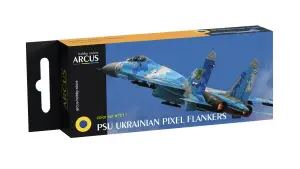
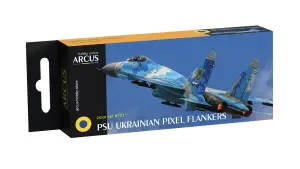
Arcus 7011 Enamel paints set PSU Ukrainian Flankers 6 colors in set 10ml
ARC-7011
$8.79 $10.99
 Black Friday−15%
4d 12h
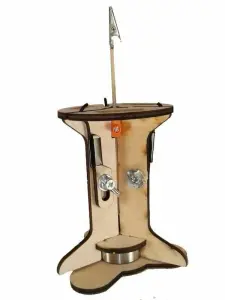
LMG
No scale
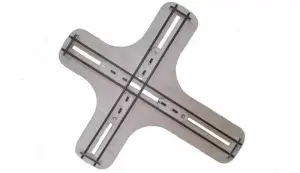
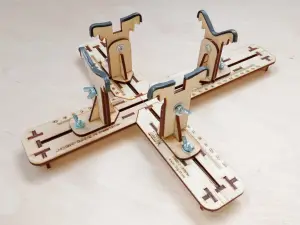
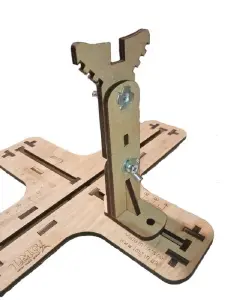
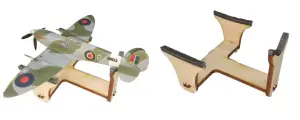
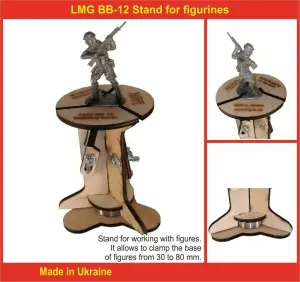
Stand for working with figures plastic model kit, Laser Model Graving
LMG-BB-12
$7.64 $8.99
 Black Friday−15%
4d 12h
 Black Friday−15%
4d 12h
LMG
No scale
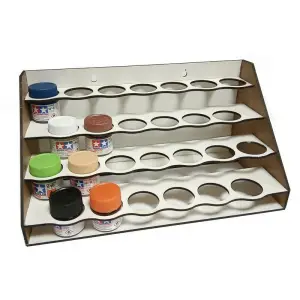
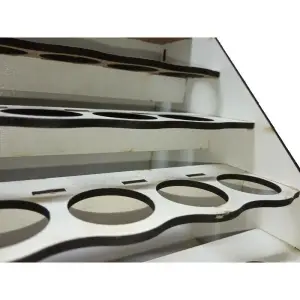
Paint stand for 26 tanks with, diameter 35 mm, Laser Model Graving
LMG-WOH-1211
$20.39 $23.99
 Black Friday−20%
4d 12h
인기
Arcus Colors
No scale
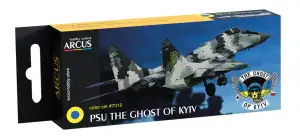
Arcus A7010 Acrylic Paints Set Psu The Ghost Of Kyiv 6 Colors In Set 10ml
ARC-A7010
$8.79 $10.99
함께 구매한 상품 12
 Black Friday−15%
4d 12h
인기
 Black Friday−15%
4d 12h
인기
 Black Friday−15%
4d 12h
인기
 Black Friday−15%
4d 12h
신상품
인기
Armory
1/72
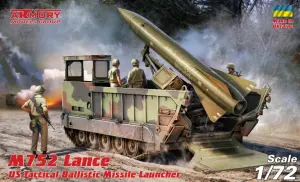
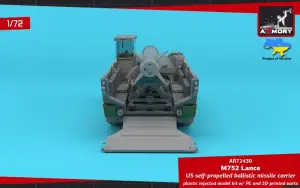
M752 Lance Us Cold War Era Ballistic Missile Launcher Self-propelled Plastic Model Kit
AR72430
$45.04 $52.99
 Black Friday−18%
4d 12h
인기
 Black Friday−20%
4d 12h
인기
 Black Friday−15%
4d 12h
인기
 Black Friday−20%
4d 12h
인기
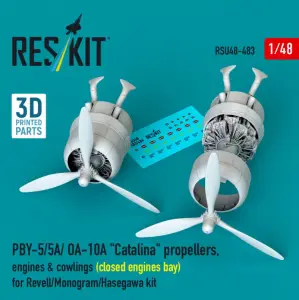
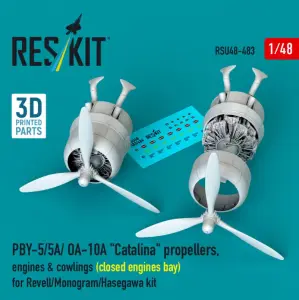
Reskit
1/48
Pby-5/5a/ Oa-10a Catalina Propellers Engines Cowlings Closed Engines Bay For Revell/Monogram/Hasegawa Kit 3d Printed
RSU48-0483
$35.19 $43.99
 Black Friday−20%
4d 12h
인기

 Black Friday−20%
4d 12h
인기
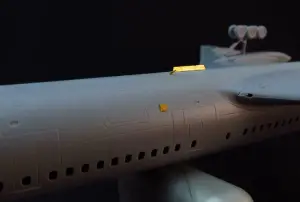
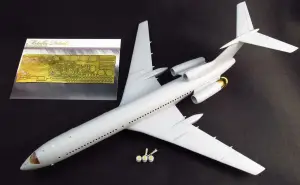
Metallic Details
1/144
Detailing set for aircraft Tu-154 (Zvezda) Metallic Details MD-PE14402
MD14402
$11.99 $14.99
 Black Friday−20%
4d 12h
인기
 Black Friday−15%
4d 12h
인기
비슷한 상품 24
 Black Friday−20%
4d 12h
 Black Friday−20%
4d 12h
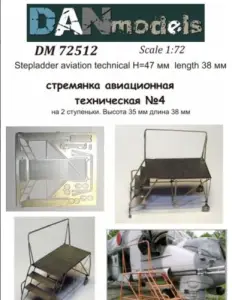
Dan Models
1/72
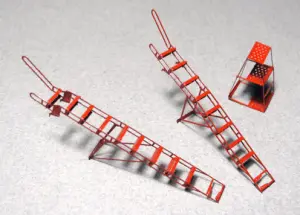
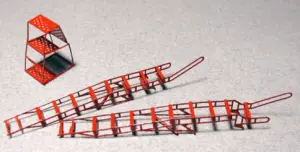
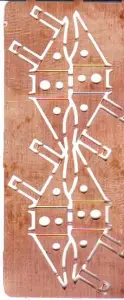
Photo-Etched Stepladder Aviation Technical 4 (2 Steps), Height 35 MM
DAN72512
$7.19 $8.99
 Black Friday−20%
4d 12h
 Black Friday−20%
4d 12h
Dan Models
1/72
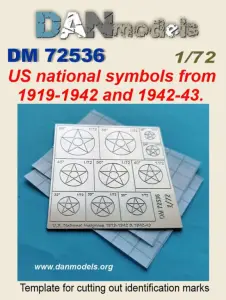
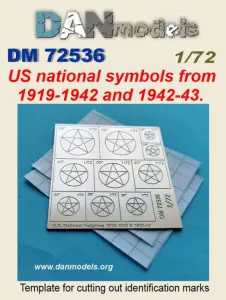
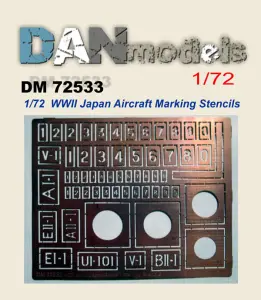
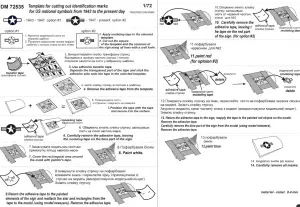
Us National Symbols From 1919-1942 And 1942-43 Template For Cutting Out Identification Marks
DAN72536
$7.19 $8.99
 Black Friday−20%
4d 12h
신상품
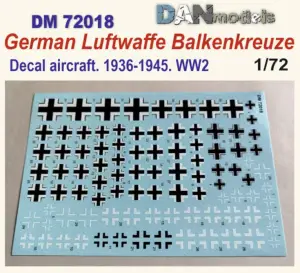
Dan Models
1/72
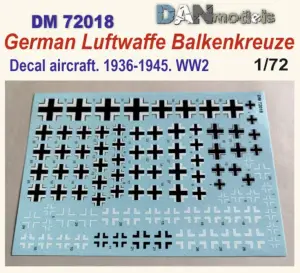
Ww2 German Luftwaffe Balkenkreuze Decal For Aircraft 1936 - 1942
DAN72018
$7.19 $8.99
 Black Friday−20%
4d 12h
 Black Friday−20%
4d 12h
 Black Friday−20%
4d 12h
인기
 Black Friday−20%
4d 12h
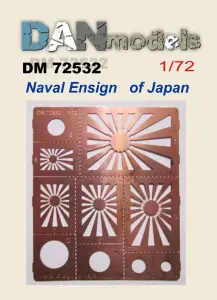 Black Friday−20%
4d 12h
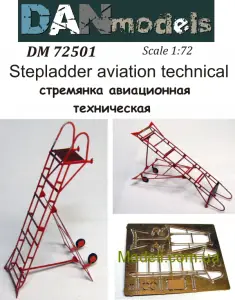 Black Friday−20%
4d 12h
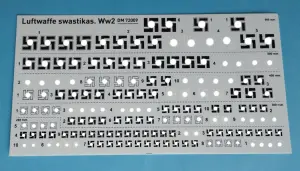 Black Friday−20%
4d 12h
인기
 Black Friday−20%
4d 12h
 Black Friday−20%
4d 12h
Dan Models
1/72
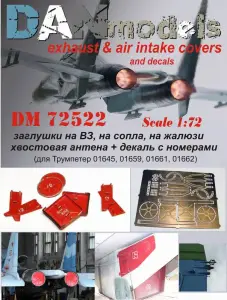
Su-27 plugs in the B3 to the nozzle on the shutters and a decal with numbers (Trumpeter)
DAN72522
$8.79 $10.99
 Black Friday−20%
4d 12h
 Black Friday−20%
4d 12h
단종
Dan Models
1/72
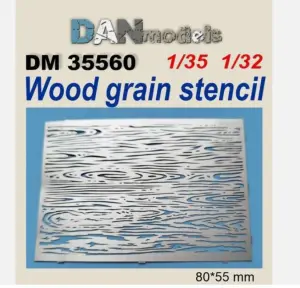
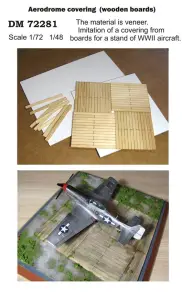
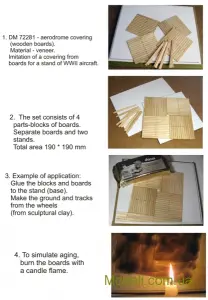
Imitation OF A Covering from Boards for A Stand OF WWII Aircraft
DAN72281 1개 남음
$8.79 $10.99
 Black Friday−20%
4d 12h
인기
 Black Friday−20%
4d 12h

Dan Models
1/72
Decal Stencil Designation Of Downed Air Targets Ukraine 2022 2024
DAN72017
$5.59 $6.99
 Black Friday−20%
4d 12h
 Black Friday−20%
4d 12h
 Black Friday−20%
4d 12h
단종

 Black Friday−20%
4d 12h
Dan Models
1/72
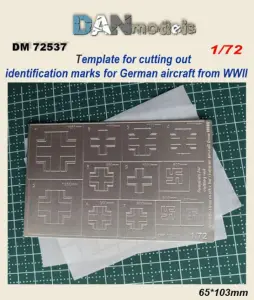
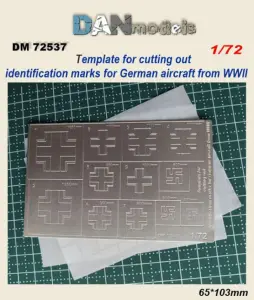
Template For Cutting Out Identification Marks For German Aircraft From Wwii 65/103mm
DAN72537
$9.59 $11.99
 Black Friday−20%
4d 12h
 Black Friday−20%
4d 12h
최근 본 상품 1
 Black Friday−20%
4d 12h
Reskit
1/48
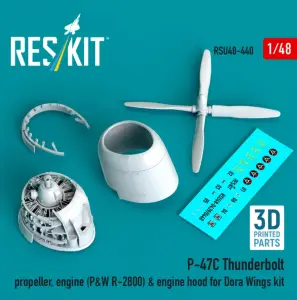
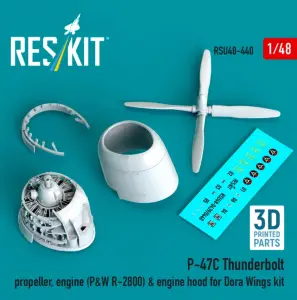
Reskit RSU48-0440 1/48 P-47C Thunderbolt propeller engine P W R-2800 engine hood for Dora Wings kit 3D Printed
RSU48-0440
$35.99 $44.99
$7.19
$8.99